300 mg a Day: Safe Coffee, Decaf Picks, Quick Hacks for New Parents
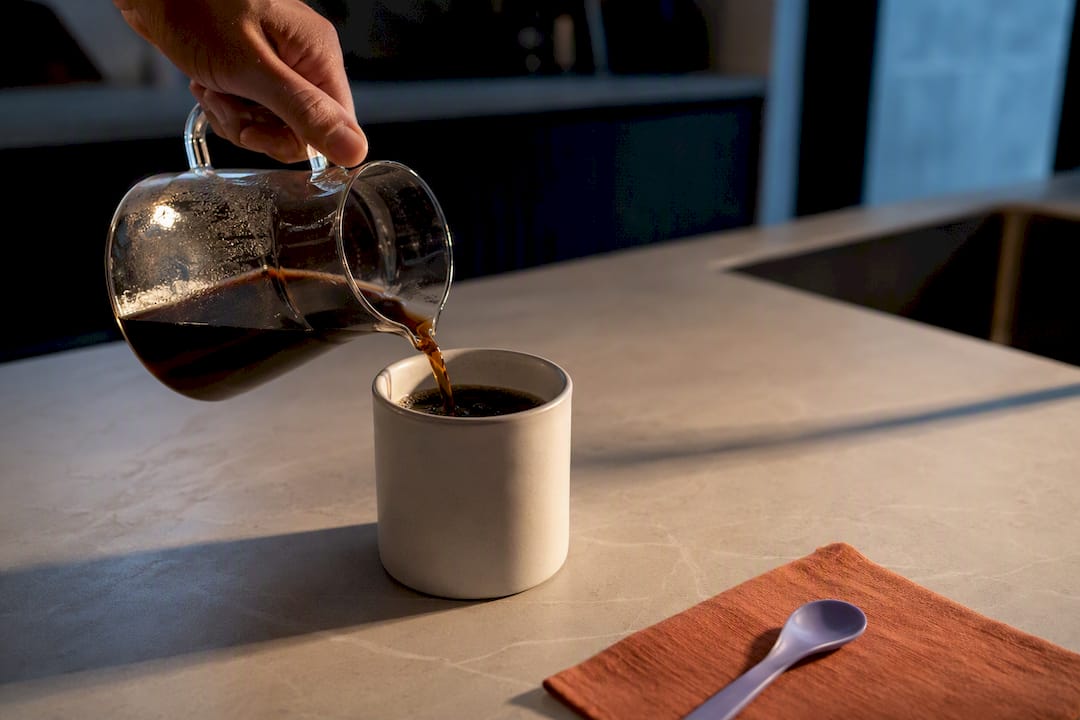
Coffee is generally fine for new parents, including breastfeeding mothers, as long as you keep caffeine intake to moderate levels and pay attention to timing. Most guidance points to roughly 300 milligrams a day for breastfeeding moms, which is about two to three regular cups of coffee. Below, you’ll find the numbers on caffeine limits, how it actually reaches your baby, and the fastest ways to get a decent cup without wrecking anyone’s sleep.
TL;DR:
- Most breastfeeding mothers can safely consume around 300 milligrams of caffeine daily, roughly two to three 8-ounce cups of brewed coffee.
- Less than 1% of maternal caffeine reaches breast milk, with peak levels occurring one to two hours after consumption, rarely affecting well-adjusted infants.
- Drinking coffee immediately after a feeding and batching cold brew in advance can help manage caffeine intake and maintain energy levels.
- Decaf and half-caf options provide low-caffeine alternatives, suited for evening or sensitive babies, with flavor quality improving through careful roasting methods.
- Mothers with postpartum anxiety or hypertension should start with smaller amounts, monitor their response, and consult healthcare providers before increasing caffeine intake.
Table of Contents
- Recommended Caffeine Limits for New Parents
- How Caffeine Reaches Your Baby, and What to Watch For
- Practical Coffee Hacks for Sleep-Deprived Parents
- Decaf and Low-Caffeine Options: When to Reach for Them
- When to Check With Your Doctor First
- Coffee Guidelines for Parents With Postpartum Anxiety or Hypertension
- Why Coffee Still Matters, Even on the Hard Days
- Getting Fresh Coffee Delivered Without the Guesswork
- Sources
- FAQ
Recommended Caffeine Limits for New Parents
Most parenting and pediatric sources land on the same number: around 300 milligrams of caffeine a day is a reasonable ceiling for breastfeeding mothers. That’s roughly two to three 8-ounce cups of regular brewed coffee, though the exact caffeine content swings depending on the bean, roast, and brew method.
Here’s a rough breakdown of what’s actually in your cup:
- 8-ounce brewed coffee: about 95 to 165 milligrams
- Espresso shot (1 ounce): about 63 milligrams
- Instant coffee (8 ounces): about 60 to 85 milligrams
- Decaf coffee (8 ounces): about 2 to 5 milligrams
A dark roast doesn’t automatically mean less caffeine, and a “large” coffee shop order can easily double these numbers depending on the size. If you’re drinking two 16-ounce coffees a day from a shop, you’re likely well past 300 milligrams before lunch. Parenting health guidance also notes that individual sensitivity varies. Some people feel jittery on one cup; others can drink three and sleep fine an hour later.
How Caffeine Reaches Your Baby, and What to Watch For
Caffeine does pass into breast milk, but only a small fraction of what you consume actually reaches your infant. Typically less than 1% of maternal caffeine intake shows up in breast milk, and the timing peaks about one to two hours after you drink it.
That said, a fraction isn’t anything, especially for a newborn whose liver hasn’t fully learned how to clear caffeine yet. Watch for these signs if you’re drinking coffee regularly:
- Unusual wakefulness or trouble settling for naps
- Increased fussiness or irritability, especially in the evening
- Shorter, more fragmented sleep stretches than usual
Excess caffeine exposure is more likely to cause noticeable fussiness in infants under six weeks old, since their bodies process caffeine far more slowly than an adult’s does. Premature infants clear it even more slowly. If your baby was born early or is still in that first newborn stretch, it’s worth erring toward the lower end of the caffeine range, or shifting your coffee earlier in the day so less of it lines up with feeding time.
Practical Coffee Hacks for Sleep-Deprived Parents
You don’t need a barista setup to get good coffee on three hours of sleep. You need a system that works when you’re running on fumes.
Time it around feeds. Drink your main cup right after a longer feeding or pumping session, not right before one. That gives caffeine time to peak and start clearing before the next round, which keeps less of it circulating when your baby feeds again.
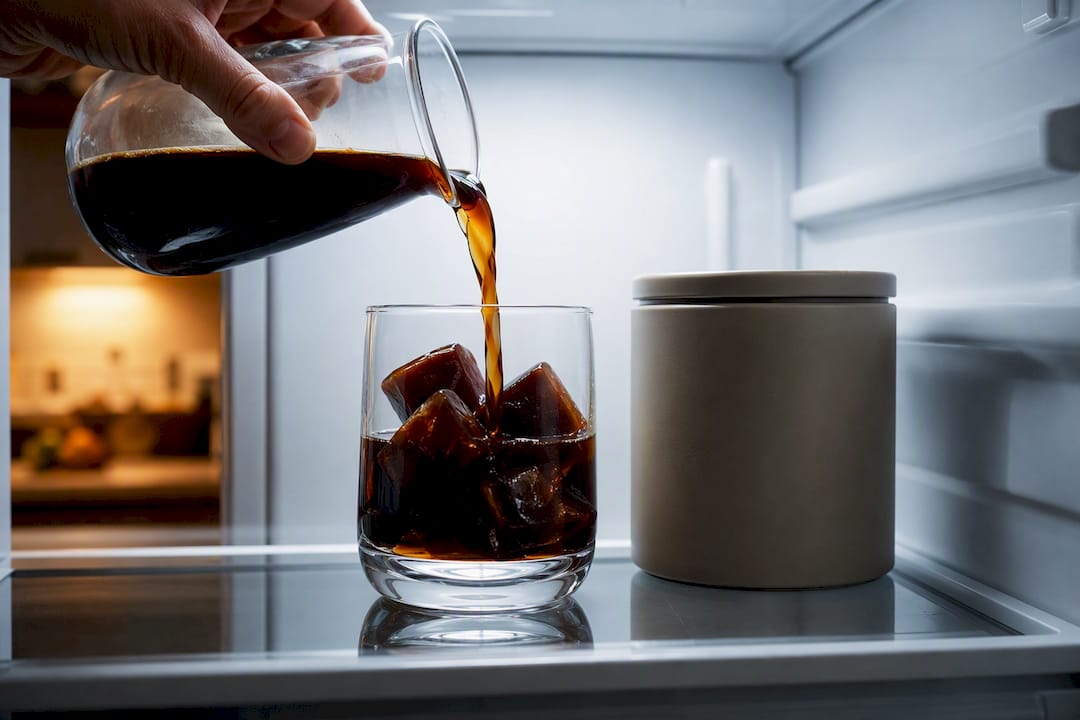
Batch it in advance. Cold brew concentrate made in a big batch on Sunday can carry you through a week of 2 a.m. wakeups with zero brewing required. Coffee ice cubes keep it from getting watered down. A good insulated mug means you’re not microwaving the same cold cup four times before noon.
Keep something fast on hand. Instant coffee earns its place in a diaper bag or nightstand drawer for the nights when even a French press feels like too many steps. Pre-measured pods or single-serve filters work the same way, cutting decision fatigue down to zero.
Watch your stacking. It’s easy to lose track when coffee, tea, and a soda add up across the day. Space caffeinated drinks out, and drink water alongside them since dehydration makes fatigue worse, not better.
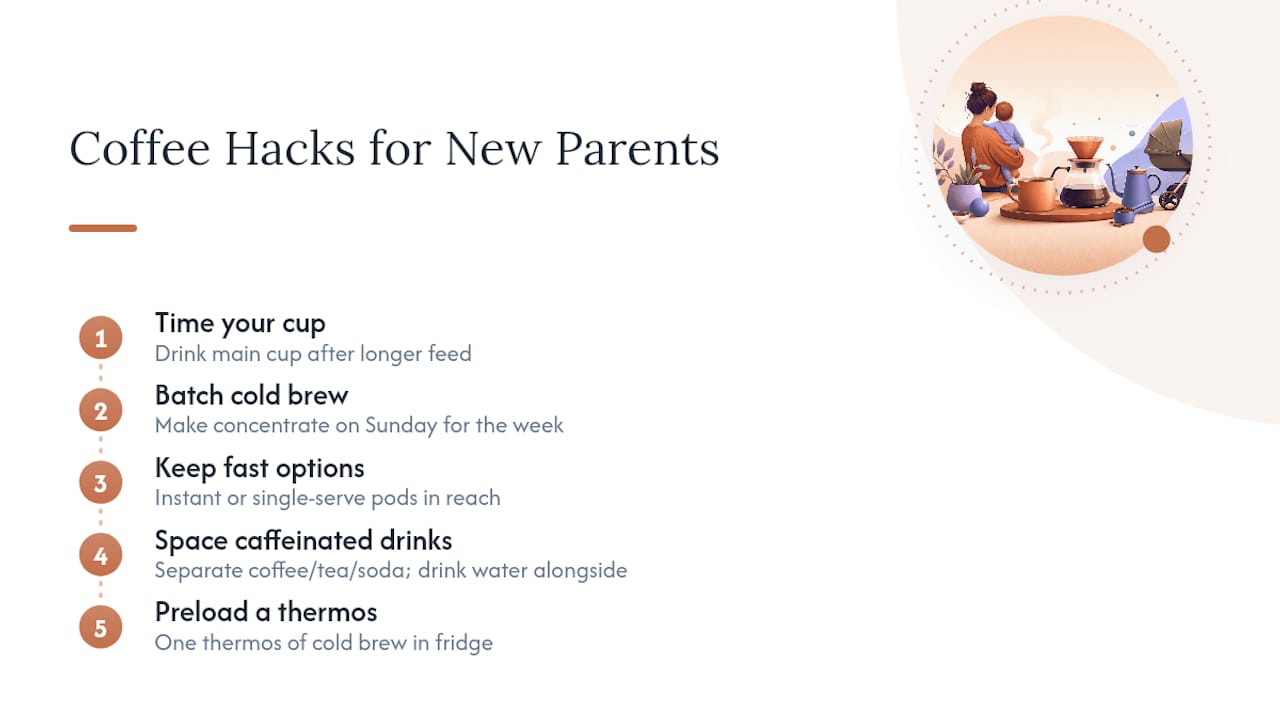
Pro Tip: Keep one thermos pre-loaded with cold brew in the fridge at all times. On the nights you’re too tired to think, you want caffeine to be the one decision you don’t have to make.
Decaf and Low-Caffeine Options: When to Reach for Them
Decaf coffee still carries a small amount of caffeine, typically 2 to 5 milligrams per cup, which is close enough to zero that most parents don’t notice a difference in their baby’s sleep. Half-caf, a blend of regular and decaffeinated beans, sits in between and gives you some caffeine without the full jolt.
Here’s a simple way to think about when to reach for each:
- Regular coffee: mornings, after a feed, when you need real focus
- Half-caf: early afternoon, or when you’ve already hit your daily caffeine target but want the ritual
- Decaf: evenings, late-night feeds, or anytime your baby has shown sensitivity to caffeine
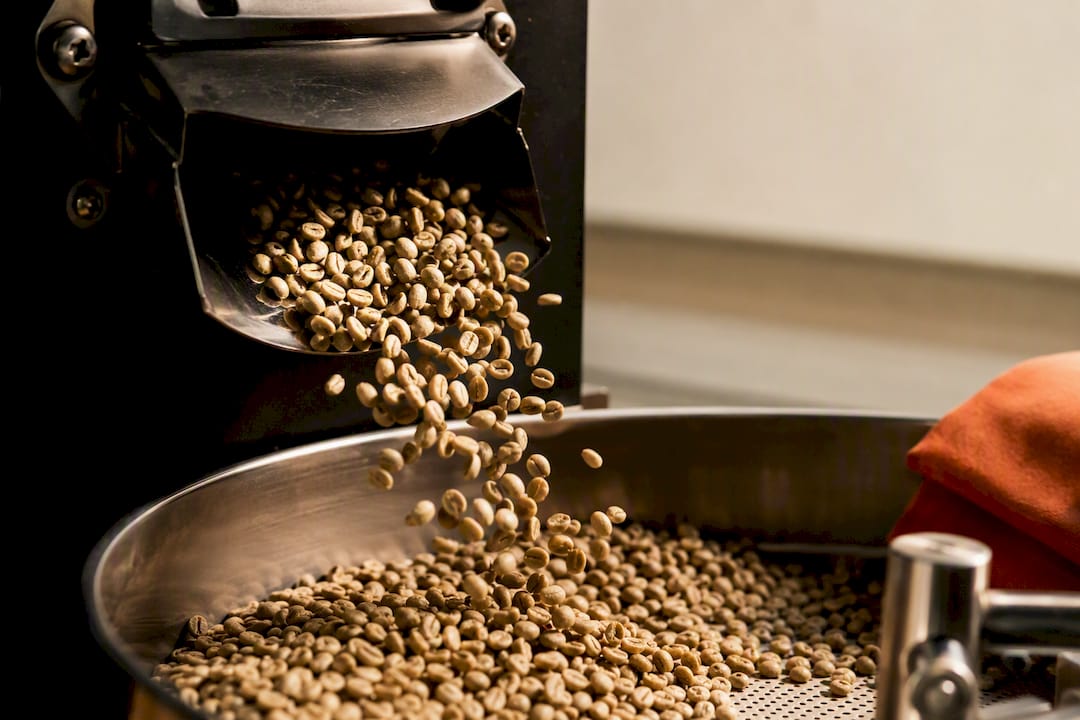
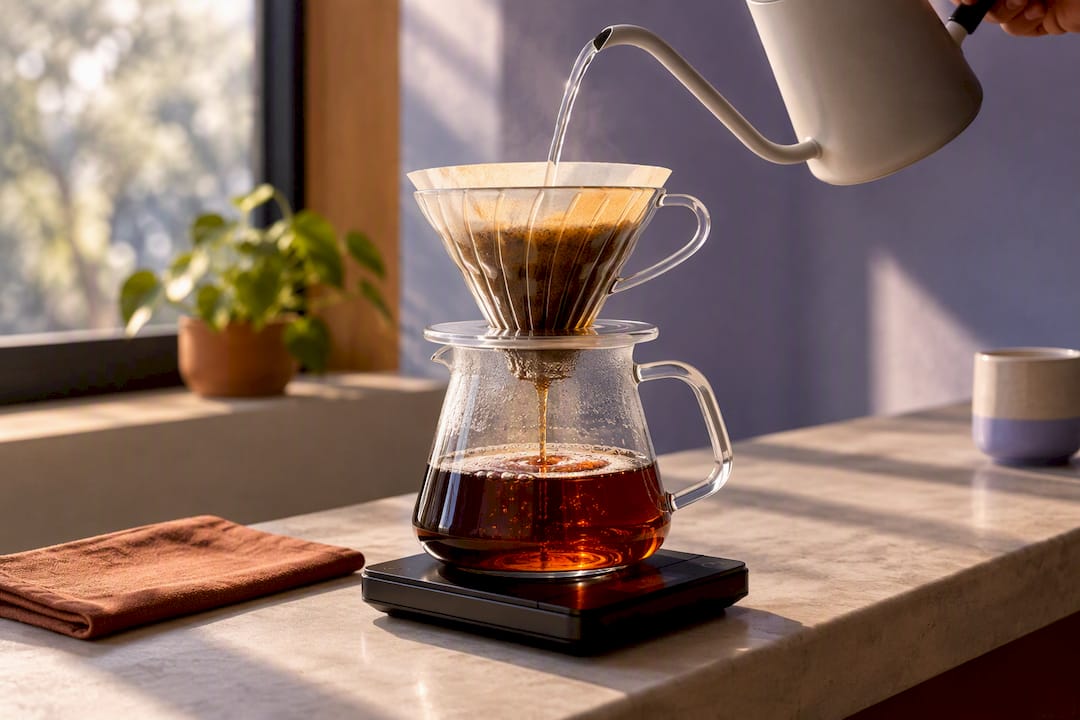
The catch with decaf is flavor. A lot of it tastes flat because processing strips out more than just caffeine. An ultra-light, Nordic-style roasting approach aims to preserve a bean’s original flavor profile rather than mask it, which matters more, not less, when caffeine is already stripped out. Beans are roasted to order and shipped fresh rather than sitting in a warehouse, and the brand’s brewing guides walk you through getting a decent cup out of decaf or single-origin beans you’ve never tried before.
When to Check With Your Doctor First
This is general information, not personalized medical advice. If you have specific concerns about your baby’s caffeine sensitivity or your own health, talk to your pediatrician or OB.
Contact a healthcare provider promptly if your baby shows poor weight gain, extreme or prolonged irritability, trouble feeding, or any changes in breathing. These can have many causes unrelated to caffeine, but they’re worth ruling out quickly. If you’re on prescription medication, especially anything affecting your heart rate, anxiety, or blood pressure, check with your doctor before assuming your usual coffee habit is still fine. Caffeine can interact with certain medications in ways that aren’t obvious from the outside.
Coffee Guidelines for Parents With Postpartum Anxiety or Hypertension
If you’re managing postpartum anxiety, caffeine deserves extra caution rather than a hard no. Caffeine stimulates the same nervous system pathways that anxiety already keeps on high alert, and for some new mothers, even a normal cup can amplify racing thoughts, a pounding heart, or that wired-but-exhausted feeling that makes anxiety worse. If you notice your anxiety spikes on days you drink coffee, that’s useful information. Try cutting your usual intake in half for a week and see if symptoms ease.
Blood pressure is the other condition worth flagging. Caffeine causes a short-term rise in blood pressure, which matters more if you’re managing postpartum hypertension or had preeclampsia during pregnancy. This doesn’t mean coffee is off the table. It means starting low, watching how your body responds, and looping in your doctor if you’re on blood pressure medication, since some interactions aren’t obvious without a clinical eye.
A practical approach for either condition: start with half-caf or a single small cup, wait a few hours, and track how you feel before increasing. Decaf is a reasonable default on days when anxiety or blood pressure readings are running high. There’s no universal rule here that fits every parent, which is exactly why self-monitoring and a conversation with your provider matter more than a blanket caffeine number.
Why Coffee Still Matters, Even on the Hard Days
New parenthood strips away most rituals. Coffee is one of the few that survives, and I think that’s worth protecting rather than treating as a guilty habit to minimize. The research is reassuring: moderate intake is safe for the overwhelming majority of breastfeeding parents, and the emotional value of that first cup shouldn’t be dismissed as trivial just because it isn’t strictly nutritional.
What I’d push back on is the all-or-nothing framing you see online, where parents feel they have to choose between coffee and being a careful parent. The real skill is calibration: knowing your baby’s sensitivity, timing your cups smartly, and having a decaf or half-caf option ready for the days that call for it. That’s where trying a lower-caffeine sample pack and building a five-minute brewing routine that fits your actual schedule, not some idealized one, pays off more than any single rule ever will.
— Sean
Getting Fresh Coffee Delivered Without the Guesswork
Some decaf and low-caffeine coffee can taste stale before it even ships. Fresh roasting to order helps ensure better flavor, so the flavor stripped away by decaffeination isn’t also fighting weeks of shelf time.

The subscription plans let you pick single-origin beans from regions like Ethiopia and Colombia, roasted in the ultra-light Nordic style that keeps each origin’s character intact, whether you’re brewing full-caffeine mornings or decaf nights. Deliveries flex around your schedule, so you’re never stuck with a backlog of beans during the newborn weeks when routines fall apart. If coffee has been part of your relationship for a while, a gift subscription is also a genuinely useful baby-shower gift, better than another onesie.
Ready to swap stale grocery-store decaf for something roasted the week it ships? Start a plan and pick a sampler to find your new go-to.
This article is general information, not a substitute for advice from a qualified doctor. Consult a qualified healthcare professional about your own circumstances before acting on anything here.
Sources
- How Too Much Coffee Can Backfire for New Parents
- New mamas’ guide to surviving newborn life: grace, coffee & trusting your gut
- Expert tips on newborn survival: coffee, coffee, and more coffee
FAQ
Does coffee affect breastfed babies?
In moderate amounts, coffee rarely causes noticeable effects, since less than 1% of the caffeine you drink typically reaches breast milk. Watch for extra fussiness or disrupted sleep in your baby if you increase your intake.
Does caffeine make breast milk dry up?
There’s no solid evidence that moderate caffeine intake reduces milk supply. Staying hydrated matters more for supply than cutting coffee entirely.
Can a postpartum mom drink coffee?
Yes, moderate coffee intake, generally up to about 300 milligrams of caffeine a day, is considered safe for most postpartum mothers, including those breastfeeding. Parents managing postpartum anxiety or hypertension should start with smaller amounts and check with their doctor.
What kind of coffee can I drink while breastfeeding?
Regular, half-caf, or decaf coffee are all reasonable choices while breastfeeding; the right pick depends on the time of day and how sensitive your baby seems to caffeine. Decaf works well for evenings, while regular coffee is best kept to mornings after a feed.