2017–2023 Genetic Tests: Pink Bourbon Coffee, Roast, Brew, Buy
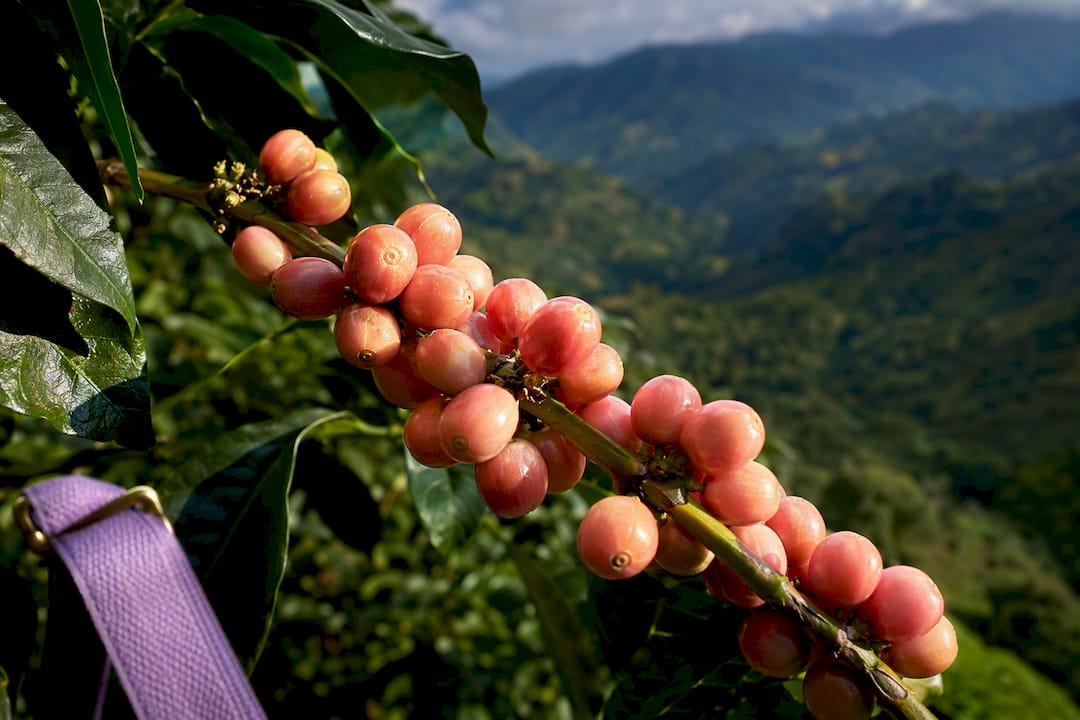
Pink Bourbon is a rare specialty coffee varietal, likely an Ethiopian landrace despite its name, prized for intensely floral, fruity, high-sugar cups. Expect notes ranging from jasmine and honeysuckle to peach, melon, and pink lemonade, wrapped in a silky body and bright, elegant acidity. Supply stays tight, so buy from roasters who publish producer names, processing methods, and lot details rather than a vague “Colombian blend.”
TL;DR:
- Pink Bourbon’s genetics are closer to Ethiopian landrace varieties than Bourbon hybrids, despite its name and original mislabeling.
- Its distinctive floral and pink-fruit tasting notes often include jasmine, honeysuckle, peach, and melon, with high sugar content influencing fermentation options.
- Processing methods significantly shape its flavor, with washed and anaerobic techniques producing different profiles such as floral clarity or candy-like sweetness.
- Limited supply and the plant’s specific agronomic needs make Pink Bourbon difficult to scale, preserving its rarity and premium pricing driven by traceability.
- Proper storage and light roasts are essential to preserve its volatile aromatics, which typically fade within weeks or days of roasting.
Table of Contents
- What Is Pink Bourbon Coffee, and Where Did It Come From?
- What Does Pink Bourbon Coffee Taste Like?
- How Farming and Processing Shape Pink Bourbon’s Character
- How to Roast and Brew Pink Bourbon for the Best Flavor
- Where to Buy Pink Bourbon Coffee and What to Check First
- Why Pink Bourbon Suddenly Became a Specialty Coffee Darling
- The Human Side of Pink Bourbon: Farmers and Sustainability
- How to Store Pink Bourbon Coffee to Keep It Fresh
- An Editorial Take on Tasting Rare Coffee Varieties
- Get Rare Lots Like Pink Bourbon Delivered Fresh
- Sources
- FAQ
What Is Pink Bourbon Coffee, and Where Did It Come From?
Pink Bourbon coffee gets its name from the pale, salmon-pink hue of its ripe cherries, not from any relation to the Bourbon variety most drinkers know from Brazil or Rwanda. Industry accounts trace its emergence to southern Huila, Colombia, around 2013 to 2014, where producers noticed a plant with unusual cherry color, strong disease resistance, and solid yields, and started propagating it locally, according to reporting from Perfect Daily Grind. Farmers gave it a vernacular name based on what they saw in the field. Nobody ran genetic tests at the time.
That changed when Cafe Imports commissioned lab analysis. Testing in 2017 and follow-up work with RD2 Vision in 2023 examined multiple samples and found markers consistent with Ethiopian landrace genetics, not a Bourbon hybrid at all, according to Cafe Imports. Some samples showed mixing with Bourbon or Catimor stock, while others tested as closer to a pure Ethiopian type. That inconsistency reflects the small, informal way the variety spread among farms rather than any flaw in the lab work.
So why does “Pink Bourbon” stick around as a name after the genetics contradict it? A few reasons matter here:
- Trade names often outlive taxonomy once buyers and roasters build recognition around them.
- Sensory lead Ian Fretheim and other industry voices argue that reclassification doesn’t erase the coffee’s cup value, an insight worth keeping in mind when you see the name debated online, per Cafe Imports.
- Sprudge frames the mislabeling as a footnote, not a scandal, since quality in the cup is what buyers actually pay for.
- World Coffee Research maintains cultivar resources that help explain how conservation and naming can lag behind genetic reality.
When you read a roaster’s product page calling something “Pink Bourbon,” treat it as a cultivar name grounded in trade tradition, not a botanical guarantee. Look for producer transparency instead of the label itself.
What Does Pink Bourbon Coffee Taste Like?
Pink Bourbon coffee tends to cup with floral, pink-fruit sweetness that separates it from denser, more classically “chocolatey” South American profiles. Roasters and competition baristas repeatedly describe jasmine, honeysuckle, peach, papaya, and melon, sometimes shifting toward watermelon, pomegranate, or even milk chocolate depending on the specific lot, according to Perfect Daily Grind.
A few things stay consistent across most well-processed lots:
- Silky, almost creamy body despite the coffee’s bright acidity.
- High perceived sweetness, often described as syrupy rather than just “sweet.”
- Acidity that reads as elegant and citrus-adjacent rather than sharp or vinegary.
- Aromatic intensity that shows up in the dry grounds before you even add water.
Roasters frequently report that Pink Bourbon cherries tend to test higher in Brix (sugar content) than typical Bourbon or Caturra cherries, which allows producers more room to experiment with fermentation without losing clean flavor, according to Perfect Daily Grind.
Processing changes the story substantially. A washed lot tends to show the cleanest floral and citrus character, letting jasmine and stone fruit lead. Natural processing pushes toward heavier tropical fruit and sometimes a wine-like fermented edge. Anaerobic fermentation, increasingly common with this variety, can amplify the pink-fruit sweetness into something closer to candy or juicy melon, while thermal shock techniques (rapid temperature shifts during fermentation) tend to sharpen clarity and brighten the top notes. If a bag lists “washed” versus “72-hour anaerobic,” expect two genuinely different cups from the same farm.
How Farming and Processing Shape Pink Bourbon’s Character
Most producers isolate Pink Bourbon trees from neighboring plots rather than interplanting it with other varieties. That separation protects the harvest from cross-pollination confusion and lets farmers track yield and cherry color specific to this cultivar, since the plant reportedly needs closer agronomic attention than hardier commercial varieties.
Processing decisions do more to shape the final cup than almost anything else at this stage. Washed processing removes the fruit before fermentation, favoring clarity. Honey processing leaves some mucilage on the bean for added body. Full natural processing dries the whole cherry, intensifying fruit-forward sweetness. Anaerobic and thermal shock methods, both increasingly popular with Pink Bourbon specifically, use sealed fermentation environments and temperature manipulation to push the coffee’s naturally high sugar content into more complex, sometimes fruit-candy territory, per Perfect Daily Grind.
Before buying a bag, run through this quick check:
- Confirm the producer or farm name is listed, not just “Colombia” as a country of origin.
- Check for altitude, since higher elevation typically means slower cherry maturation and denser sugar development.
- Look for the specific processing method rather than a generic “washed” catch-all.
- Note the harvest or roast date. Freshness matters enormously for a variety this aromatic.
- Read the roaster’s own cupping notes and compare them against what you taste at home.
Coffee education around traceability exists precisely because these details separate a genuine specialty lot from a marketing label.
How to Roast and Brew Pink Bourbon for the Best Flavor
Pink Bourbon rewards a light hand at the roaster. Push it past first crack into medium territory and you flatten the floral top notes into something closer to plain green tea or stale cereal. Aim for an ultra-light to light roast with just enough development time after first crack to avoid grassy, underbaked flavors, while stopping well before the sugars caramelize into heavier roast character.
For pour-over, try this as a starting recipe:
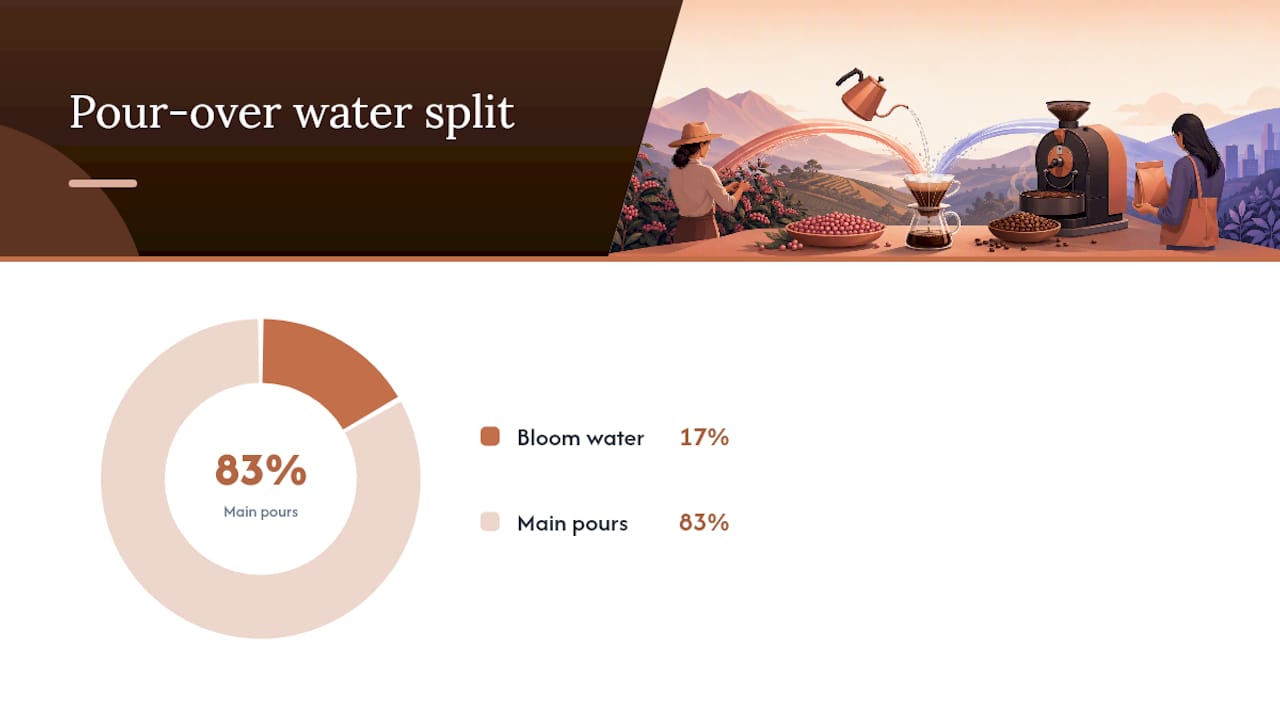
- Use an 18 gram dose of coffee to 300 grams of water, a ratio near 1:16.7.
- Grind medium-fine, slightly finer than you would for a denser Brazilian coffee.
- Bloom with 50 grams of water for 30 to 45 seconds to let CO2 escape evenly.
- Pour the remaining water in two to three stages, keeping total brew time around 2:30 to 3:00.
- Water temperature around 200°F (93°C) preserves the floral top notes without scalding them.
If you prefer immersion, a clean French press or AeroPress at a 1:15 ratio with a shorter steep works as a solid alternative, since it emphasizes body over the sharpest acidity.
If the cup tastes thin and sour, you likely under-extracted. Grind finer or extend contact time. If it tastes muddy or bitter, you over-extracted. Coarsen the grind or shorten the brew.
Pro Tip: Buy two bags of the same lot roasted at slightly different levels, or brew one cup hot and one iced, and cup them side by side. The contrast reveals exactly how much roast level and temperature change the floral and fruit expression in this specific variety, more clearly than reading tasting notes ever will.
Where to Buy Pink Bourbon Coffee and What to Check First
Pink Bourbon stays scarce because scaling it is genuinely hard. Producers who isolate small plots for agronomic reasons can’t suddenly triple output, and rising demand from competition-stage exposure has outpaced what farms can supply, per Perfect Daily Grind.
You’ll mostly find it through three channels: seasonal releases from specialty roasters, limited micro-lot drops tied to a single farm, and curated subscription services that rotate rare origins into their lineup. Before buying, check the product page for:
- The producer or farm name, ideally with a lot number.
- Specific processing details rather than a one-word label.
- A recent roast date, since this variety loses its top aromatics faster than heavier-bodied coffees.
- Published cupping notes you can compare against your own brewing results.
If a listing skips all of that and just says “Pink Bourbon, Colombia,” treat it skeptically. It’s often worth waiting for a better-documented lot rather than grabbing the first bag you see.
Why Pink Bourbon Suddenly Became a Specialty Coffee Darling
Pink Bourbon’s visibility jumped after appearing in World Barista Championship performances, where competitors used its floral intensity to stand out on stage. That exposure pulled roaster attention toward a variety that, a decade earlier, barely existed outside a handful of Huila farms, according to Perfect Daily Grind.
Demand outpacing supply is exactly what keeps this coffee a collector’s item rather than a supermarket staple. Producer-level scaling challenges, the plant’s need for careful agronomy, and small individual farm plots all cap how much reaches export in a given season. Sudden competition-driven attention can spike short-term pricing and availability for single lots, so the coffee you see this year may not reappear next year at the same price or even at all.
The Human Side of Pink Bourbon: Farmers and Sustainability
Pink Bourbon’s rise has real consequences for the small farms growing it, most of them concentrated in Huila’s steep, high-altitude terrain. Because the variety commands premium prices when properly documented and processed, it gives producers who isolate small plots a chance to earn more per pound than they would growing higher-volume commercial varieties. That premium depends entirely on traceability. A farmer who can name their lot, altitude, and processing method captures more of the final retail price than one selling into an anonymous blend.
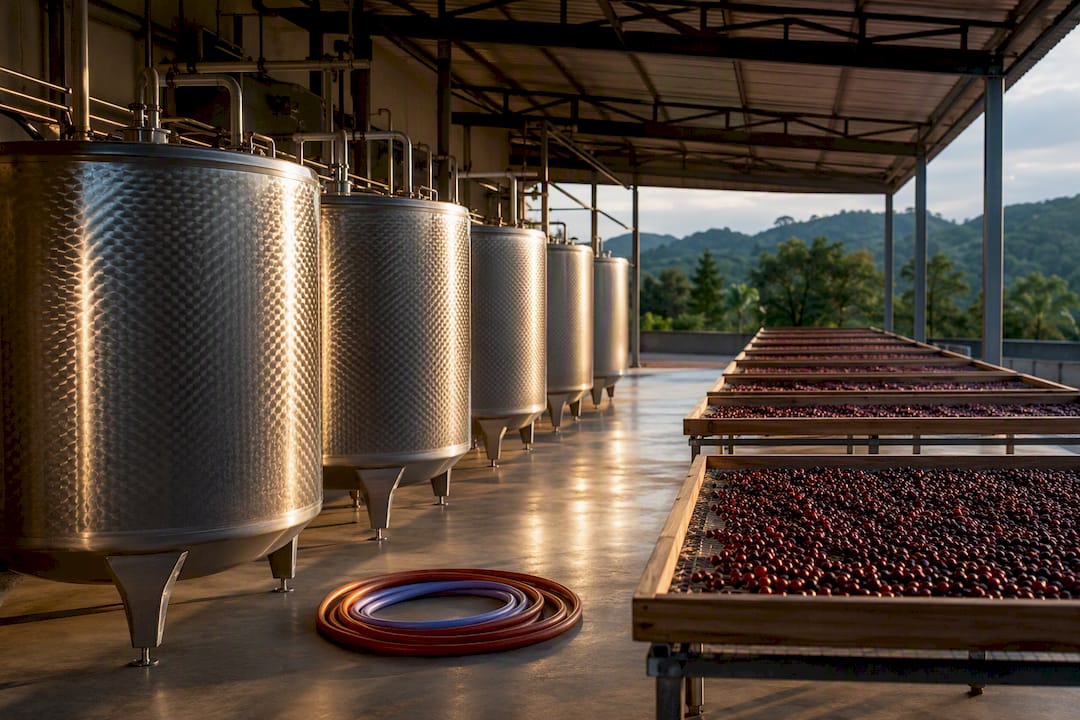
That dynamic creates an incentive to invest in better fermentation infrastructure, from covered drying beds to temperature-controlled anaerobic tanks, since a cleaner process directly raises the price a lot can command. It also creates pressure. Farms with limited land can’t simply plant more Pink Bourbon to meet demand without risking the careful agronomy the plant seems to need. Some producers have responded by forming small cooperatives to share processing equipment and cupping feedback, spreading both the cost and the expertise required to consistently hit the sensory profile buyers expect.
Sustainability here isn’t abstract. It’s tied directly to whether a farm can keep growing a labor-intensive, disease-susceptible plant profitably enough to justify the extra care it demands. Roasters and subscription services that pay for documented, traceable lots give producers a reason to keep investing in quality over sheer volume, which is a big part of why the traceability practices behind a bag matter as much as what’s printed on the front.
How to Store Pink Bourbon Coffee to Keep It Fresh
Pink Bourbon’s aromatic intensity is also its biggest vulnerability. The same volatile floral compounds that make it exciting fresh out of the roaster degrade faster than they would in a denser, less aromatic coffee.
Keep whole beans in an airtight, opaque container away from direct light and heat. A vacuum-sealed bag with a one-way valve, the kind many specialty roasters ship in, does a better job than a clear jar sitting on a sunny counter. Avoid the refrigerator or freezer for beans you plan to use within two to three weeks. Temperature cycling from repeated opening and closing introduces moisture and accelerates staling faster than simply leaving beans at stable room temperature.
Grind only what you need right before brewing. Ground coffee loses its floral top notes within days, sometimes within hours for a variety this volatile, while whole beans hold their character for two to four weeks past the roast date if stored properly. If you buy a Pink Bourbon lot specifically to taste its signature jasmine or pink-fruit notes, aim to finish it within three weeks of the roast date printed on the bag. After that window, you’re mostly tasting body and residual sweetness, not the aromatics that made the lot worth seeking out in the first place.
An Editorial Take on Tasting Rare Coffee Varieties
The most overrated skill in specialty coffee isn’t roasting or brewing. It’s memorizing tasting-note vocabulary before you’ve actually tasted enough coffee to know what jasmine versus honeysuckle means in your own mouth. Pink Bourbon is a great teaching coffee precisely because its floral and fruit notes are loud enough that beginners can find them without coaching.
Try this: brew the same Pink Bourbon lot two ways, one pour-over and one immersion, back to back. Taste them blind if you can. You’ll learn more about your own palate in ten minutes than a season of reading roaster copy.
— Sean
Get Rare Lots Like Pink Bourbon Delivered Fresh
The service gives a direct line to rare, well-documented lots without the hunting and guesswork that limited releases usually demand. Instead of tracking down a Pink Bourbon drop across a dozen roaster newsletters, subscribers get rotating single-origin coffee shipped freshly roasted, with origin reports that spell out producer, altitude, and processing method for every bag.
Subscribers also shape future selections by giving feedback on what they receive, meaning preferences influence which rare varieties show up in future shipments. If a floral, high-sugar cultivar like Pink Bourbon is what you’re chasing, the fastest way to see one land in your kitchen is to start a coffee subscription and let the sourcing work happen for you.
Sources
Finding a legitimate Pink Bourbon lot takes more than a search bar. The subscription service sources single-origin coffee, including rotating rare varieties, with an emphasis on producer transparency and origin documentation rather than vague country-of-origin labeling.
Subscribers receive freshly roasted beans shipped with origin reports that detail the farm, processing method, and altitude behind each coffee. Feedback from subscribers also shapes future selections, which matters when coffee varieties change character from harvest to harvest. Readers who want to go deeper can explore the coffee education hub for brewing guides and origin breakdowns tied to specific releases.
- Pink…Bourbon?: Cryptozoology and Genetics in Specialty Coffee — Cafe Imports
- Pink Bourbon: a new darling of specialty coffee? — Perfect Daily Grind
- One Lie And A Truth: Pink Bourbon’s True Origin — Sprudge
- Coffee varieties poster — World Coffee Research
FAQ
What Does Pink Bourbon Coffee Mean?
Pink Bourbon refers to a coffee varietal named for the pale pink color of its ripe cherries, not for any confirmed link to the Bourbon cultivar. Genetic testing suggests it’s closer to an Ethiopian landrace, according to Cafe Imports.
Is Pink Bourbon Coffee From Colombia?
Most documented Pink Bourbon comes from southern Huila, Colombia, where it was first noticed and propagated around 2013 to 2014, per Perfect Daily Grind. Small quantities have since appeared in other Colombian growing regions as producers share cuttings.
Is There Alcohol in Bourbon-Infused Coffee?
No. Pink Bourbon coffee is a plant varietal name, unrelated to bourbon whiskey or any alcohol-infused coffee product. The name comes from cherry color and historical naming conventions, not from any liquor connection.
What Does Bourbon Coffee Taste Like?
Standard Bourbon coffee tends toward balanced sweetness with caramel and red-fruit notes, while Pink Bourbon leans more floral and citrus-bright, with jasmine, peach, and melon commonly cited by roasters and competition baristas, according to Perfect Daily Grind. The two share a name but differ noticeably in the cup.


