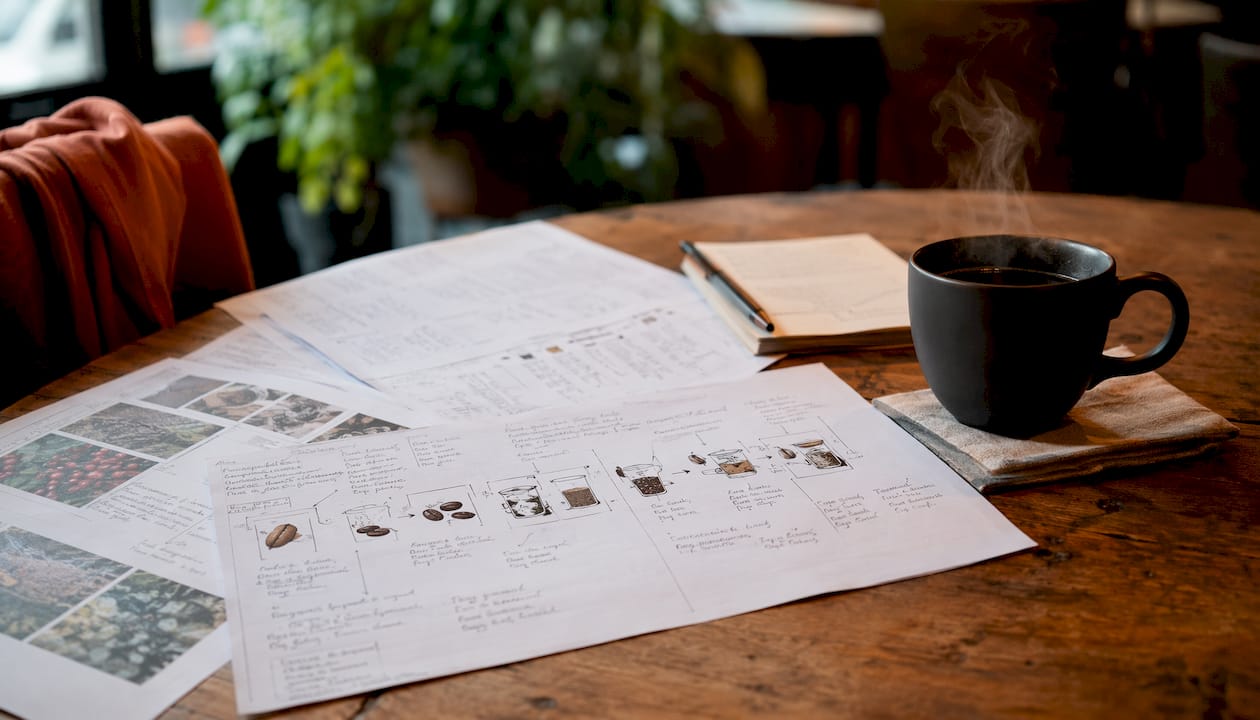
Roast to order coffee: advantages for single-origin lovers
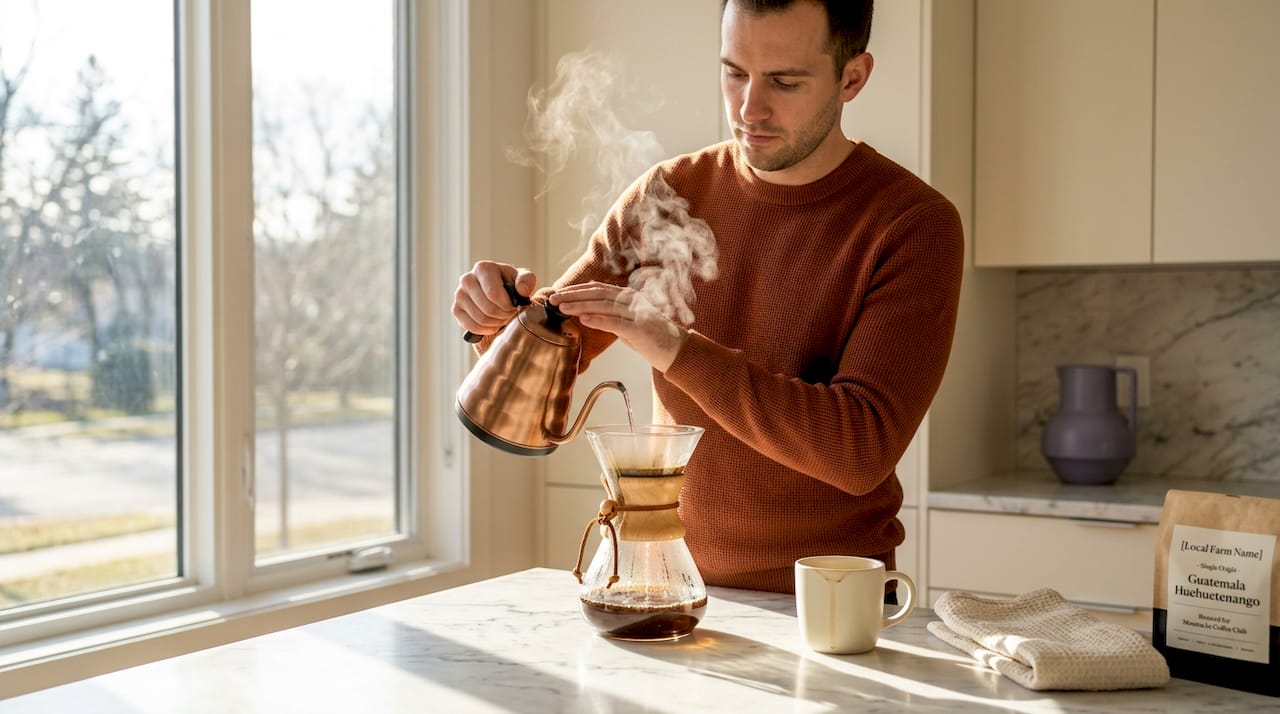
Most coffee lovers assume that a bag of specialty beans is a bag of specialty beans, regardless of when it was roasted. That assumption quietly destroys the very experience you’re paying for. The roast to order coffee advantages are not marginal. They’re the difference between tasting the floral, citrus-bright character of an Ethiopian Yirgacheffe and tasting something that vaguely resembles it. Coffee loses its most volatile aroma compounds rapidly after roasting, and the specialty coffee industry has quietly let this slide for years. This article lays out exactly why roast to order matters for anyone serious about ethical, single-origin coffee.
Table of Contents
- Criteria for evaluating roast to order coffee advantages
- Freshness and aroma preservation
- Precision roasting for origin-specific flavor profiles
- Sustainability and ethical sourcing benefits
- Roast to order versus pre-roasted coffee: a comparison
- A coffee lover’s perspective: why freshness is the ethical choice
- Experience the benefits of roast to order coffee today
- Frequently asked questions
Key Takeaways
| Point | Details |
|---|---|
| Freshness maximizes flavor | Roast-to-order coffee preserves volatile aroma compounds that degrade rapidly in pre-roasted beans. |
| Precision roasting highlights uniqueness | Small-batch roasting allows tailored profiles that honor each single-origin coffee’s distinct character. |
| Supports ethical sourcing | Fresh deliveries reflect and reward the efforts of sustainable farms and reduce waste. |
| Better sensory clarity | Roast-to-order delivers brighter, cleaner, and more complex coffee flavors than shelf-stable alternatives. |
| Choose roast-to-order to taste and support quality | Prioritizing roast-to-order is a conscious choice for coffee lovers seeking both superior taste and ethical impact. |
Criteria for evaluating roast to order coffee advantages
Before you can weigh the benefits of fresh coffee against the convenience of pre-roasted alternatives, you need to know what to look for. Not every “fresh” claim from a roaster holds up under scrutiny.
Here are the key criteria that actually matter:
- Freshness and peak aroma retention: How quickly does the coffee move from roaster to your grinder? Days or weeks?
- Precision and small-batch roast control: Can the roaster adjust parameters per lot rather than applying a one-size-fits-all profile?
- Sensory clarity: Does the cup deliver distinct, complex flavor notes, or does it taste flat and generically “roasted”?
- Ethical sourcing transparency: Can you trace your coffee to a specific farm, lot, or washing station with verified roast and harvest dates?
- Sustainability footprint: Does the roasting model minimize waste, reduce overproduction, and support small-scale farmers with fair pricing?
These five criteria form the backbone of the roast to order value proposition. Every advantage discussed in this article maps back to at least one of them.
Freshness and aroma preservation
Coffee is chemically more complex than wine. Roasting creates over 1,000 volatile organic compounds responsible for everything you smell and taste in a cup, from jasmine to dark chocolate to stone fruit. The problem is that these compounds are unstable. Once exposed to oxygen, heat, and light, they degrade fast.
Pre-roasted coffee sitting in a warehouse or on a retail shelf is losing its most delicate aromatics every single day. By the time it reaches you, three to five weeks may have passed. That’s not fresh. That’s coasting on the structural remnants of what was once a remarkable cup.
“Roast-to-order minimizes post-roast oxidation loss, delivering superior sensory clarity versus pre-roasted coffee which shows flattened aromatics after 4-6 weeks.”
Roasted on demand coffee solves this problem at the source. When your order triggers the roast, the gap between roast and brew shrinks to days rather than weeks. What you get in your cup reflects the actual quality of the bean, not a degraded shadow of it.
A few specific freshness benefits worth knowing:
- CO2 outgassing is still active, which signals true freshness and protects remaining aromatics from oxidation
- Bright acidity stays intact, especially important for light-roasted Ethiopian and Colombian naturals
- Terroir-specific floral and fruit notes survive the journey instead of collapsing into flat, generic bitterness
- Grind retention improves because fresh beans produce more consistent particle distribution
Pro Tip: After your roast to order coffee arrives, rest it for 5 to 10 days before brewing. This lets CO2 release without rushing it. Then grind immediately before brewing to lock in the volatiles that remain. For technique, our perfect pour overs guide is a good place to start.
Precision roasting for origin-specific flavor profiles
Here’s something most roasters won’t tell you. Two lots from the same Ethiopian region, harvested in the same year, can taste dramatically different based on altitude, soil composition, fermentation method, and processing. A single roast profile applied to both will shortchange at least one of them.
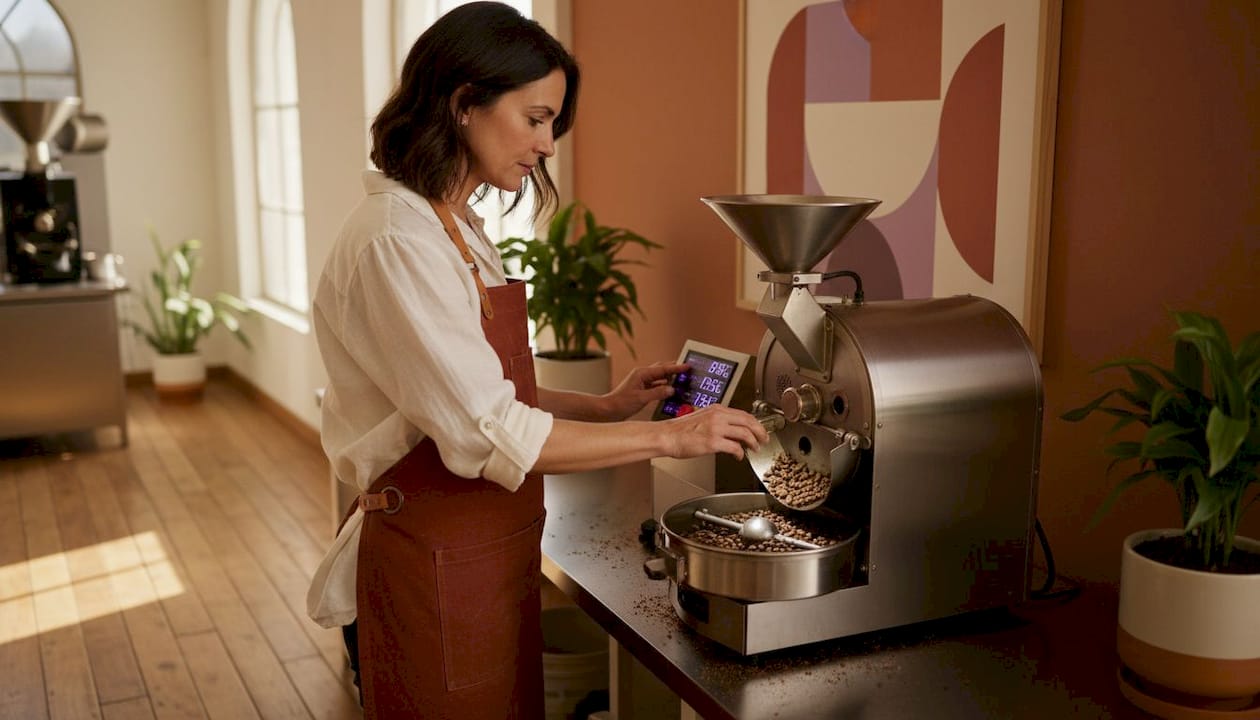
Roast to order enables what high-volume pre-roasting simply cannot: real-time adjustments per lot. When technology evolves for roasters with data logging, real-time monitoring, and precise temperature control, roasters who work in small batches can honor that variability. They can extend development time for a denser Colombian bean or pull back the charge temperature for a more delicate Ethiopian natural to preserve its fruit-forward character.
The advantages of custom roast coffee, applied at this level, include:
- Per-lot roast profiling that captures peak flavor development for each specific harvest
- Lower risk of under or over-development, both of which destroy the nuance that ethical sourcing delivers
- Consistent repeatability within a batch because small volumes are easier to control precisely
- Direct feedback loops between roasters and the farms they source from, improving quality season over season
This is why customized coffee roasting is not a luxury feature. It’s the mechanism by which the care invested at origin, by farmers who hand-sort, carefully ferment, and sun-dry their lots, actually reaches your cup intact.
Pro Tip: When you receive a roast to order delivery, check whether the roaster includes the specific roast date and lot number. Those details tell you the roaster is genuinely working in small batches and tracking each origin. Our coffee education hub breaks down what those lot descriptors actually mean.
Sustainability and ethical sourcing benefits
Roast to order is not just good for your palate. It’s structurally better for the supply chain.
Mass roasting operations typically roast to projected demand. That means producing inventory that may sit for weeks, lose quality, then get marked down or discarded. Each discarded bag represents wasted energy, wasted water, wasted labor from the farmers who grew it, and a real cost that typically gets absorbed somewhere down the supply chain, often by the people who can least afford it.
Roasted on demand coffee eliminates most of that cycle. Key sustainability benefits include:
- No unsold inventory buildup, which reduces energy waste from extended storage and climate control
- Smaller production runs support direct trade relationships with single-origin farms, where volume commitments are modest and prices stay fair
- Transparent roast dates give consumers verifiable proof that freshness claims are real, not marketing language
- Reduced packaging waste because smaller, more frequent batches allow for lower-waste materials rather than industrial bulk packaging
- Quality as accountability: when post-roast volatiles reflect harvest history, a fresh cup is direct evidence that the farmer’s work was respected end to end
When you subscribe to a roast to order delivery service that sources ethically, you’re not just buying good coffee. You’re closing the loop between your values and your morning routine.
Roast to order versus pre-roasted coffee: a comparison
Having explored individual advantages, here’s a direct comparison to make the differences concrete.
| Factor | Roast to order | Pre-roasted |
|---|---|---|
| Freshness window | Roasted days before delivery | Often 3 to 8 weeks post-roast |
| Aroma complexity | High. Volatiles preserved at peak | Moderate to low. Degradation during storage |
| Flavor precision | Per-lot profiling possible | Standardized profiles for consistency |
| Waste | Minimal. Roasted only on demand | Higher. Overproduction risk |
| Ethical sourcing transparency | Strong. Lot-traceable, date-stamped | Variable. Often batched, less traceable |
| Sustainability alignment | High. Reduces overproduction cycle | Lower. Mass roasting generates more waste |
| Shelf stability | Lower. Designed for immediate use | Higher. Built for retail shelf life |
| Price per experience | Higher value per cup | Value reduced by freshness loss |
The table tells the real story. Pre-roasted coffee wins on shelf stability and nothing else meaningful. Every dimension that affects why you chose specialty coffee in the first place, flavor, precision, ethics, sustainability, tilts toward roast to order.
The evidence is direct: flattened aromatics appear in pre-roasted coffee within 4 to 6 weeks, which covers most of its retail life. A fresh roasted subscription eliminates that window entirely by design.
Key takeaways from the comparison:
- Pre-roasted coffee is optimized for distribution logistics, not your cup
- Roast to order is optimized for the sensory and ethical experience you are actually seeking
- The freshness delivery benefits compound when paired with single-origin sourcing and origin-specific roasting
A coffee lover’s perspective: why freshness is the ethical choice
Here’s the perspective most articles skip. Freshness is not just a quality concern. It’s an ethical one.
When a farmer in Sidama spends months nurturing a crop, negotiating fair prices, hand-sorting at the mill, and carefully controlling fermentation, they’re investing in a flavor outcome. That outcome is not some abstract potential. It is real, sensory, and perishable. A stale cup of what was once a remarkable single-origin coffee is not neutral. It’s a failure to honor that investment.
This is the uncomfortable truth about buying ethical coffee carelessly. You can source from certified farms, pay fair trade premiums, and still undermine the entire chain by accepting stale coffee at the other end. The farmer’s work lives in those volatile compounds. When they’re gone, so is the story.
Roast to order respects bean variability and freshness, which is why it belongs at the center of any genuine ethical sourcing commitment. Small roasters who operate this way are not doing it because it’s easy. It’s operationally harder and more expensive than batch roasting for a warehouse. They do it because transparency and partnership with origin communities require it.
There’s also a consumer responsibility angle worth naming. When you consistently choose roast to order from small, ethical roasters over cheaper, shelf-stable alternatives, you fund the model that makes ethical sourcing viable at scale. Specialty coffee grown with care, paid for fairly, and roasted precisely only survives as an industry if consumers value the freshest coffee experience possible.
You can deepen your understanding of that chain through our coffee education hub, where each origin is documented with harvest context, processing detail, and flavor expectations so you know exactly what you’re tasting and why.
Experience the benefits of roast to order coffee today
If this article has done its job, you’re ready to stop settling for coffee that was great three weeks ago and start tasting what specialty coffee actually delivers.
At Moustache Coffee Club, every bag is roasted after your order is placed. Our specialty coffee subscription connects you directly to ethically sourced, single-origin lots from Ethiopia, Colombia, and beyond, roasted in the ultra-light Nordic style to preserve every delicate aroma compound. You’ll receive your roast date, origin information, and brewing guidance with each delivery. Join the subscription and taste the difference that days-fresh roasting makes. Pair your first delivery with our brewing guides and origin resources to get the most out of every cup from day one.
Frequently asked questions
What does roast to order coffee mean?
Roast to order coffee is roasted only after you place your order, so you receive beans at peak freshness rather than beans that have been sitting in storage for weeks.
How long does roast to order coffee stay fresh compared to pre-roasted coffee?
Roast to order coffee is at its sensory best within days of roasting, while pre-roasted coffee loses key aromatics and sensory clarity after just 4 to 6 weeks, which often falls within its retail window.
Why is precision roasting important for single-origin coffee?
Precision roasting allows roasters to adjust parameters for each specific lot, preserving the distinct flavors that reflect a farm’s terroir and honoring the work that ethical sourcing requires.
Can roast to order coffee be more sustainable?
Yes. Roasting only on demand eliminates overproduction waste, and the small-batch model supports direct trade relationships where ethical sourcing shines through transparent lot traceability and fair pricing for farmers.
Recommended
- Best Coffee Subscription | Ultra-Light Nordic-Style Single Origin Coffee | Moustache Coffee Club
- Best Coffee Subscription | Fresh Roasted Single Origin | Moustache Coffee Club
- Coffee Education Hub | Ultra-Light Nordic-Style Brewing Guides & Origins | Moustache Coffee Club
- How To Brew Pour Over Coffee | Step-by-Step Guide | Moustache Coffee Club