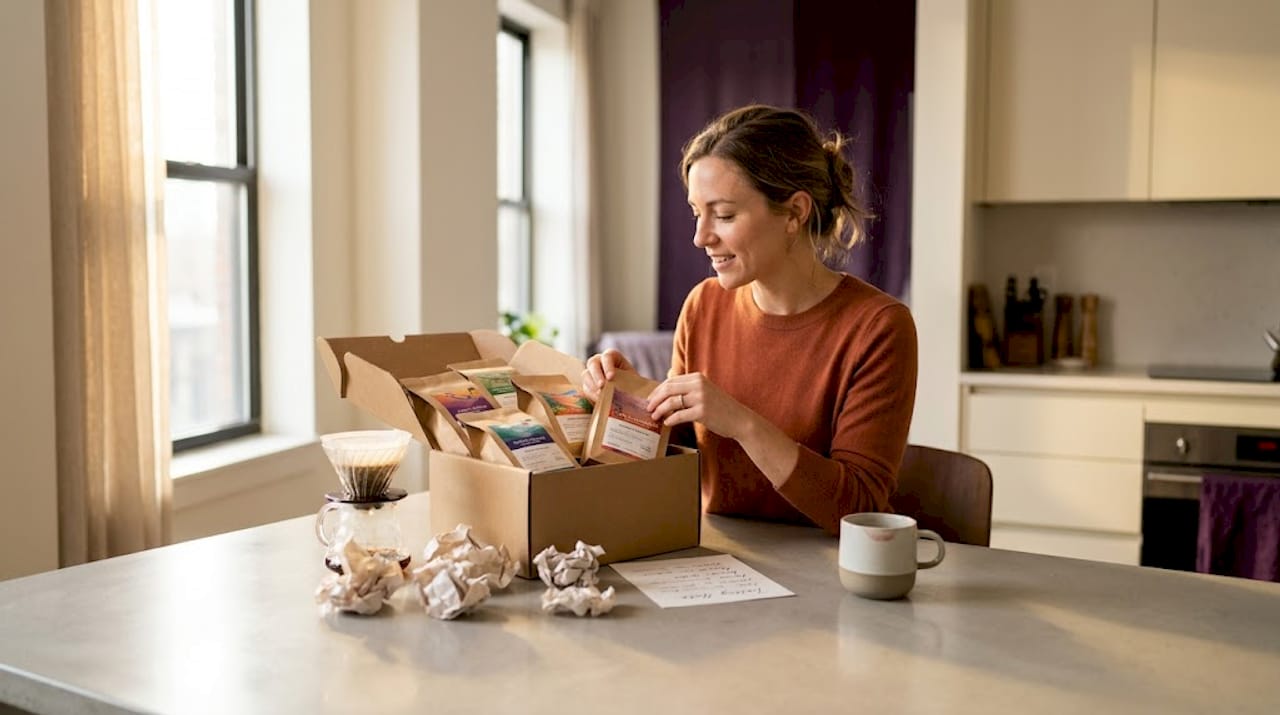
What Is a Coffee Sampler Set? A Taster’s Guide
A coffee sampler set is a curated collection of small-portion coffee bags that lets you taste multiple origins, roast levels, or blends without buying full-size bags. Think of it as a flight of coffee. Sample sizes typically range from 2 oz to 250g per bag, with most kits containing 3 to 8 distinct varieties. That range makes a coffee tasting set one of the most affordable ways to explore specialty coffee before committing to a pound of something you may not love.
What is a coffee sampler set, and who is it for?
A coffee sampler set, also called a variety coffee pack or sample box, is designed for anyone who wants to move beyond their usual bag and start tasting with intention. Beginners use them to figure out what roast level or origin they prefer. Experienced drinkers use them to compare processing methods or discover new farms. Either way, the format is the same: small portions, multiple coffees, one sitting.
Sampler sets work best as orientation guides for your palate, prioritizing quality and variety over volume. That framing matters. You are not buying a sampler to stock your pantry. You are buying it to learn something about your own taste.
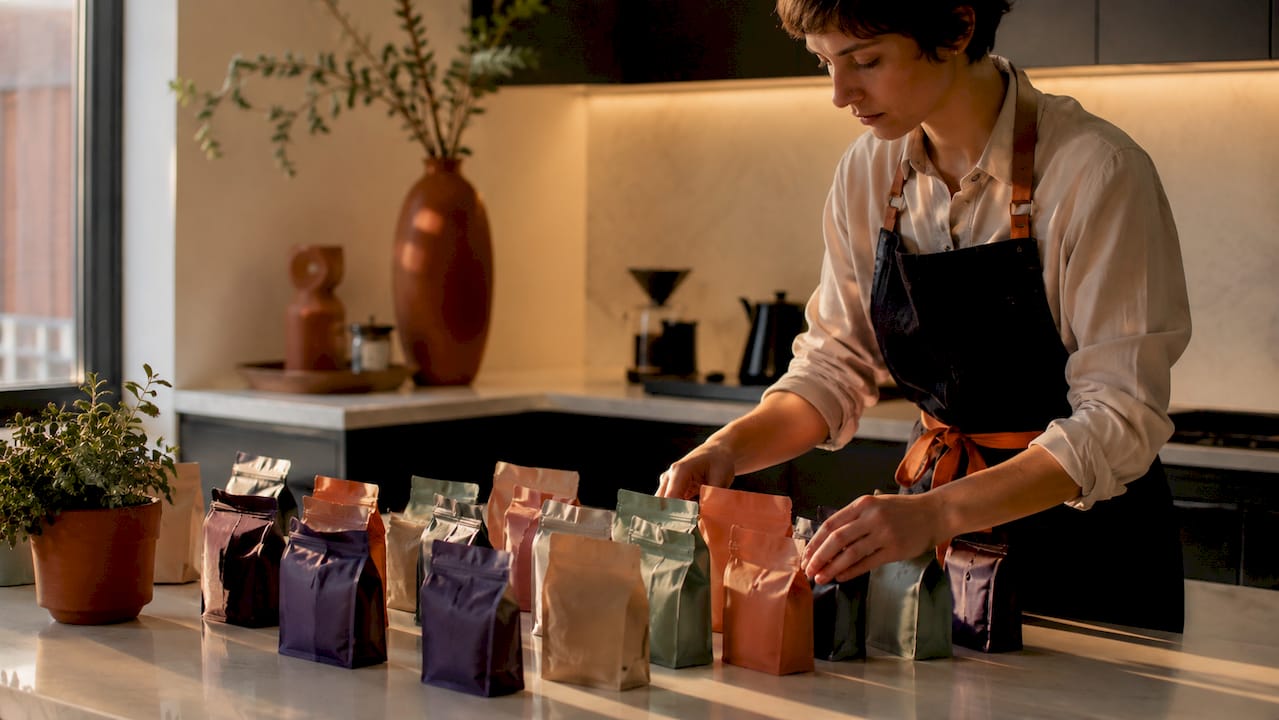
The coffee gift set format has also made samplers popular for gifting. A well-chosen gourmet coffee sampler tells the recipient you put thought into it, and it gives them something to actually do together, whether that is a Sunday morning tasting or a casual comparison with friends.
What types of coffee sampler sets are available?
Coffee sampler sets fall into three main categories: single-origin, flavored, and specialty or aged. Each serves a different purpose, and the price reflects that.
-
Single-origin samplers feature coffees from specific countries or regions, such as Ethiopia, Colombia, or Kenya. These are the most educational format. Each cup shows you how geography, altitude, and processing shape flavor. A washed Ethiopian coffee tastes nothing like a natural-processed one from the same country, and a sampler lets you taste that difference directly. Moustachecoffeeclub specializes in this format, sourcing from diverse global regions and roasting in the ultra-light, Nordic style to let each origin speak for itself. You can read more about single-origin vs. blends to understand why origin matters so much in the cup.
-
Flavored samplers are built around brand exploration rather than origin education. These sets include coffees infused with vanilla, hazelnut, caramel, or seasonal flavors. They are a good entry point for people who are not yet comfortable with black coffee but want to start exploring.
-
Specialty or aged samplers target advanced enthusiasts. These may include micro-lot coffees, competition-grade beans, or experimental processing methods like anaerobic fermentation. Prices are higher because the coffees are rarer and production costs reflect that.
Size and price vary significantly across these types. A basic flavored sampler might cost $15–$25 for six 2 oz bags. A specialty single-origin set from a high-end roaster can run $40–$80 for the same number of portions.
How can a coffee sampler set enhance your tasting experience?
The real value of a coffee tasting experience is not just drinking coffee. It is training your palate to notice what you are drinking. Side-by-side comparison teaches how variables like origin, processing, and roast level transform flavor, specifically acidity, body, and aroma. Without that comparison, most people cannot articulate what they like or why.
Here is a simple four-step tasting method that works with any sampler set:
- Smell the dry grounds first. Before adding water, take a moment to smell each coffee. Aroma compounds are more volatile before brewing, and this step primes your brain for what is coming.
- Brew each coffee the same way. Use the same ratio, water temperature, and brew time for every sample. Changing variables between cups makes comparison meaningless.
- Taste in order of roast level. Start with the lightest roast and move toward darker ones. Lighter coffees have more delicate acidity and fruit notes that darker roasts can overwhelm if you taste them first.
- Write down one word per cup. You do not need to be a professional taster. One word, whether that is “bright,” “smoky,” “sweet,” or “flat,” builds a personal flavor vocabulary over time.
Pro Tip: Try blind tasting at least once. Cover the labels, pour the cups, and taste without knowing which coffee is which. Blind tasting removes brand and origin bias and forces you to rely entirely on your palate. It is the fastest way to develop genuine tasting skill.
Roast date printing on sampler bags is critical for freshness. A sampler without a roast date is prioritizing branding over tasting quality. Coffee peaks in flavor roughly 5–21 days after roasting, so a bag roasted three months ago will not give you an accurate picture of what that coffee can taste like at its best.
How to choose the best coffee sampler set for your interests
Choosing the right variety coffee pack comes down to four practical decisions. This table maps each decision to the right question to ask before you buy.
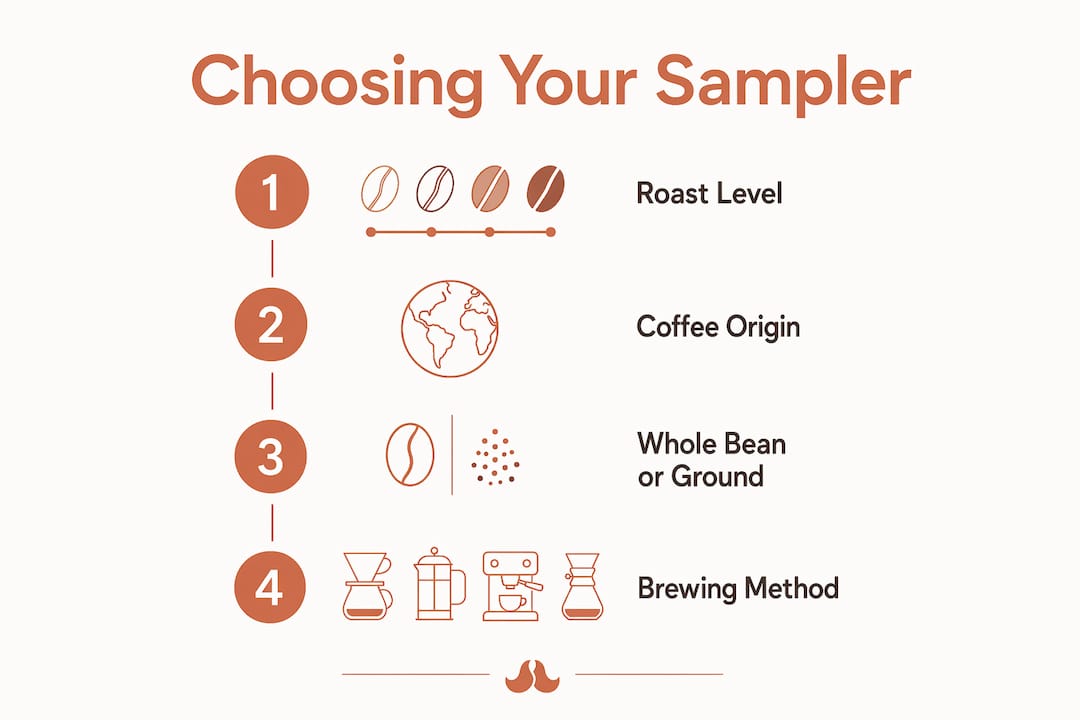
| Decision | What to ask | Why it matters |
|---|---|---|
| Roast level | Do you prefer bright and fruity or rich and chocolatey? | Light roasts highlight origin character; dark roasts emphasize roast character. |
| Origin vs. blend | Do you want to learn about geography or explore flavor combinations? | Single-origin sets are more educational; blends are more consistent. |
| Whole bean vs. ground | Do you have a grinder at home? | Whole bean samplers deliver better freshness; ground options suit convenience or specific brew methods like espresso. |
| Portion size | How often do you brew, and how many people are tasting? | A 2 oz bag yields roughly 2–3 cups. A 250g bag gives you a full week of daily brewing. |
One detail most buyers overlook is the roaster’s sourcing transparency. A sampler that lists the farm name, altitude, and processing method alongside each coffee is a sign the roaster knows what they are selling. Generic labels like “South American blend” tell you nothing useful. Look for specifics. The coffee education resources at Moustachecoffeeclub include origin reports that explain exactly what makes each coffee distinct, which is the kind of context that turns a tasting session into a real learning experience.
If you are buying a coffee gift set for someone else, consider their current brewing setup. A pour-over drinker and an espresso drinker need different grind sizes, and some samplers only come in one format. Checking that detail before you buy saves a frustrating experience on the other end.
Common formats and what to expect inside a coffee sample box
Most coffee sample boxes follow a predictable structure, though quality varies widely. Sets typically include 6 small 2 oz bags, with each bag providing enough coffee for several cups per variety. Some premium sets include tasting notes, brewing guides, and origin cards alongside the coffee itself.
Here is what separates a well-designed sampler from a mediocre one:
- Roast dates printed on every bag. Non-negotiable for freshness.
- Tasting notes that describe flavor, not just origin. “Bright citrus acidity with a honey finish” is useful. “Ethiopian coffee” is not.
- Resealable bags. If you are not brewing all six samples in one sitting, you need airtight storage to preserve what is left.
- Consistent portion sizes. Uneven portions make fair comparison harder.
- A clear roast level indicator. Light, medium, or dark should be labeled on every bag.
One distinction worth understanding is the difference between a sampler set and a subscription box. A sampler set is a one-time purchase designed for exploration. A subscription box delivers new coffees on a recurring schedule, often with a curatorial theme each month. Both serve the coffee tasting experience, but they solve different problems. Samplers answer “what do I like?” Subscriptions answer “what should I try next?” You can learn more about what a tasting box includes to see how the two formats compare in practice.
Key Takeaways
A coffee sampler set is the most practical tool for developing genuine coffee preferences because it puts multiple origins and roast levels in your hands at once, with no full-bag commitment required.
| Point | Details |
|---|---|
| Definition and size | A sampler set contains 3–8 small-portion bags, typically 2 oz to 250g each, for side-by-side tasting. |
| Three main types | Single-origin, flavored, and specialty sets each serve a different purpose and price point. |
| Freshness is non-negotiable | Always check for a printed roast date; bags without one compromise tasting quality. |
| Whole bean beats ground | Whole bean samplers preserve more flavor; only choose ground if your brew method requires it. |
| Blind tasting builds skill | Removing labels during tasting eliminates bias and accelerates palate development faster than any other method. |
Why I think most people underestimate what a sampler can teach you
I have tasted a lot of coffee over the years, and the sampler format still surprises me. Most people treat it as a gift item or a novelty. That is a mistake. The side-by-side format is genuinely the fastest way to understand your own palate, faster than reading about coffee, faster than watching videos, faster than talking to a barista.
The insight that changed how I approach tasting came from understanding how origin and processing impact sensory qualities, not just flavor identification. Once you taste a washed coffee next to a natural-processed coffee from the same country, the difference is not subtle. It is dramatic. That single comparison does more for your coffee education than months of drinking the same bag.
My honest recommendation: start with a single-origin sampler from a roaster who prints roast dates and publishes origin reports. Avoid anything that does not tell you when the coffee was roasted. And do not skip the blind tasting step. It feels awkward the first time, but it is the moment most people realize they have been drinking with their eyes, not their palate.
Build your tasting skills progressively. Start with two or three coffees in one session. Take notes. Come back to the same set a week later and see if your impressions change. They will. That progression is where real coffee knowledge comes from, not from reading a label.
— Sean
Explore specialty coffee samplers from Moustachecoffeeclub
Moustachecoffeeclub curates ultra-light, Nordic-style single-origin coffees from Ethiopia, Colombia, and beyond, roasted to order so every bag arrives at peak freshness. Each coffee ships with detailed origin reports and brewing guides, giving you the context to actually understand what you are tasting. If you are ready to move from curiosity to a real coffee tasting experience, a subscription delivers a new curated selection every month, chosen to develop your palate over time. Start your subscription and get freshly roasted single-origin coffee delivered directly to your door.
FAQ
What is a coffee sampler set exactly?
A coffee sampler set is a curated collection of small coffee portions, typically 2 oz to 250g per bag, covering multiple origins, roast levels, or blends. The format lets you compare coffees side by side without buying full-size bags.
How many coffees are usually in a sampler set?
Most sets contain between 3 and 8 varieties. Six 2 oz bags is the most common format, giving you enough coffee for several cups of each variety.
Should I choose whole bean or ground in a sampler?
Whole bean is the better choice for freshness and flavor accuracy. Ground coffee is a practical option if you do not own a grinder or if your brew method requires a specific grind size, such as espresso.
How do I know if a coffee sampler set is fresh?
Check for a printed roast date on every bag. Coffee tastes best roughly 5–21 days after roasting. Any sampler that does not print roast dates is not prioritizing tasting quality.
What is the difference between a sampler set and a subscription box?
A sampler set is a one-time purchase for exploring multiple coffees at once. A subscription box delivers new curated coffees on a recurring schedule. Samplers answer “what do I like?” while subscriptions answer “what should I try next?”
Recommended
- What Is Included in a Coffee Tasting Box? | Blog | The Moustache Coffee Club
- How a coffee tasting experience gift delights coffee lovers | Blog | The Moustache Coffee Club
- What Is a Coffee Discovery Gift for Coffee Lovers | Blog | The Moustache Coffee Club
- Coffee Education Hub | Ultra-Light Nordic-Style Brewing Guides & Origins | Moustache Coffee Club