What Organic Certification Actually Means for Coffee
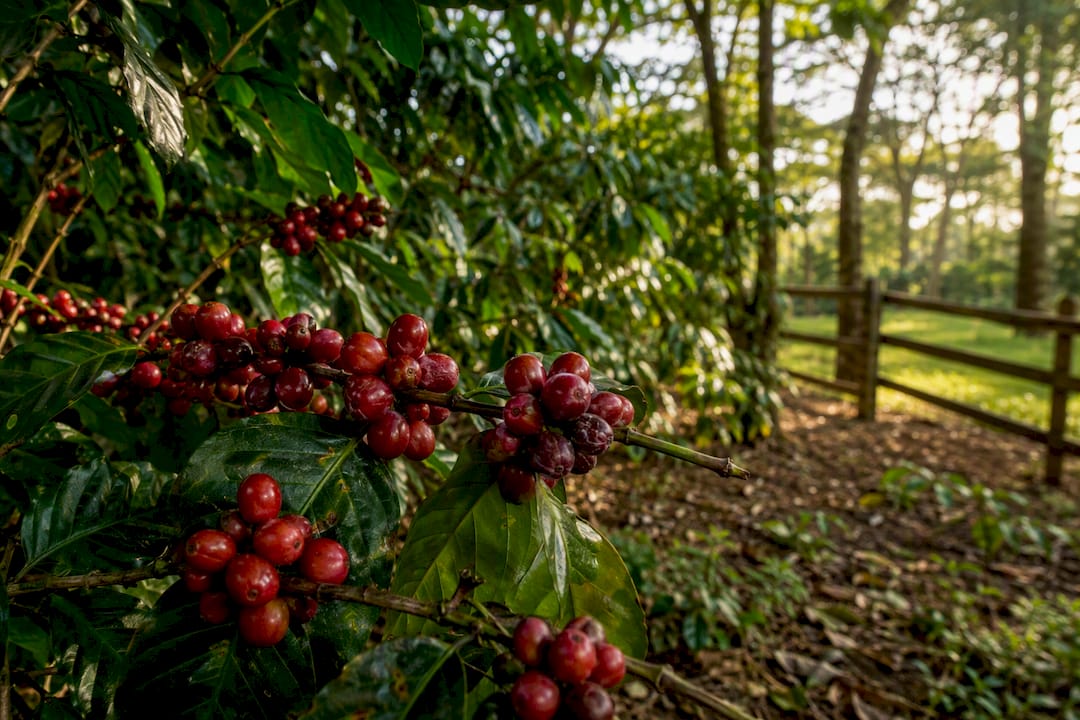
Organic certification means an independent, USDA-accredited auditor has verified that the coffee and every link in its supply chain meet the standards set by the National Organic Program (NOP). It is not a marketing claim a roaster can slap on a bag. Here’s what that guarantees in practice:
- No prohibited synthetic pesticides or fertilizers touched the crop
- No genetically modified coffee plants
- Annual inspections and documented supply-chain control from farm to bag
Quick verification tools: the USDA Organic seal, the certifier’s name printed on the package, and the Organic Integrity Database where you can look up any certifier or operation by name.
Key Takeaways
Organic certification for coffee requires USDA-accredited third-party verification of farming and handling practices across the entire supply chain, not just a marketing claim on a bag.
| Point | Details |
|---|---|
| Three label tiers exist | “100 percent organic,” “organic” (95%+), and “made with organic” (70%+) each allow different claims. |
| Seal requires 95% threshold | Only products meeting the 95% or higher organic content standard can display the USDA Organic seal. |
| Certification is ongoing | Annual inspections and recordkeeping mean the label reflects continuous compliance, not a one-time approval. |
| Verify through official channels | Check the certifier’s name and confirm status in the Organic Integrity Database before trusting a claim. |
| Organic is one signal, not everything | It covers production methods, not flavor, and works alongside labels like Fair Trade or Bird-Friendly. |
Table of Contents
- What Is Organic Certification Coffee, and What Do the Label Categories Mean?
- How Does Coffee Become USDA Certified Organic?
- What Standards Apply to Organic Coffee Production?
- How Can You Verify an Organic Claim on a Coffee Bag?
- Fair Trade, Rainforest Alliance, and Bird-Friendly: How Do They Differ From Organic?
- Why Does Organic Certification Matter, and What Does It Not Guarantee?
- How One Specialty Coffee Seller Applies These Standards
- Sources
- FAQ
What Is Organic Certification Coffee, and What Do the Label Categories Mean?
Not every bag that mentions “organic” carries the same weight. USDA rules split organic products into three tiers based on how much of the coffee actually meets organic production standards, and only two of them let a company use the seal at all.
- 100 percent organic. Every ingredient is certified organic, with zero exceptions. Single-origin roasted coffee often falls here since coffee has no other ingredients to dilute the claim.
- Organic. At least 95% of ingredients are organic; the remaining 5% must come from an approved national list. A flavored organic coffee with a small amount of natural flavoring might land in this tier; learn more about specialty variants in our Mushroom Coffee Purchase Guide.
- Made with organic [specified ingredients]. At least 70% organic content. Think of a coffee-and-chicory blend where only the coffee portion is certified.
Only products in the first two categories, meeting that 95% or higher threshold, are allowed to display the USDA Organic seal. Products in the “made with organic” tier can name the organic ingredients but cannot use the seal, and the certifying agent’s name has to appear on the information panel regardless of tier.
This is where marketing language gets slippery. “Natural,” “chemical-free,” and “farm-fresh” have no legal definition and no auditor behind them. “Organic” on its own, printed with a certifier’s name attached, does.
How Does Coffee Become USDA Certified Organic?
Certification is a sequence, not a one-time application. For a coffee farm and every business that touches the beans afterward, it looks roughly like this:
- The farm or handler adopts organic practices consistent with NOP rules.
- It selects a USDA-accredited certifying agent (there are dozens operating in the U.S. and abroad).
- It submits an Organic System Plan (OSP) detailing inputs, practices, and how contamination is prevented.
- A certifier conducts an on-site inspection of fields, storage, and processing areas.
- The certifying agent reviews the inspection report and issues certification if the operation complies.
That approval isn’t permanent. Operations get inspected at least once a year and must keep traceable records of everything from seed purchases to shipping manifests, which is why an organic label reflects an ongoing relationship with an auditor rather than a badge earned once and forgotten.
Pro Tip: Certification doesn’t stop at the farm gate. Mills, importers, dry processors, and roasters who touch organic coffee often need their own certification or documented handling controls, because a single uncertified link can let conventional beans commingle with organic ones and break the chain of custody.
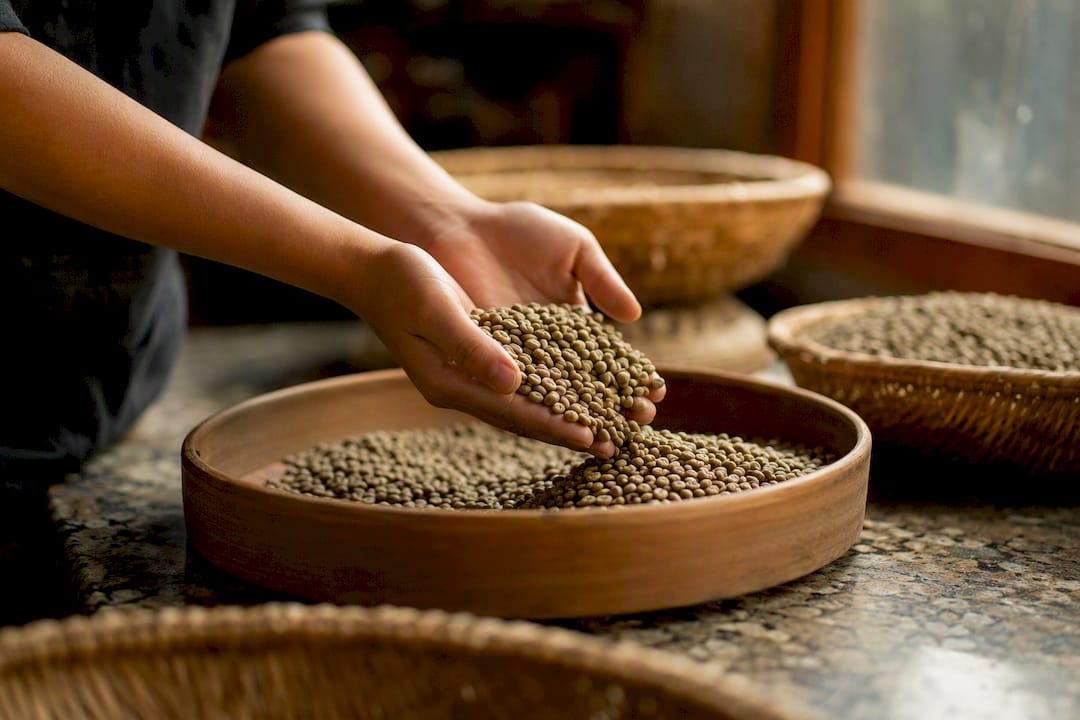
Timing matters too. Land has to be managed without prohibited substances for three years before its first harvest can be sold as organic. After that transition period, the application, inspection, and approval cycle for an already-compliant farm typically runs a few months, not years.
What Standards Apply to Organic Coffee Production?
The rules governing organic coffee aren’t just about avoiding a chemical spray list. They cover soil health, biodiversity, and how risk from neighboring farms gets managed.
- No prohibited synthetic pesticides or fertilizers on the crop or surrounding buffer areas
- No genetically modified coffee varieties
- Soil and crop management practices that build long-term fertility, like composting and cover cropping
- Biodiversity and pest management through natural predators and crop diversity instead of chemical intervention
Approved inputs tend to be biological: compost, manure, and specific biological pest controls cleared under federal organic regulations. Prohibited inputs are the synthetic pesticides and fertilizers most conventional farms rely on.
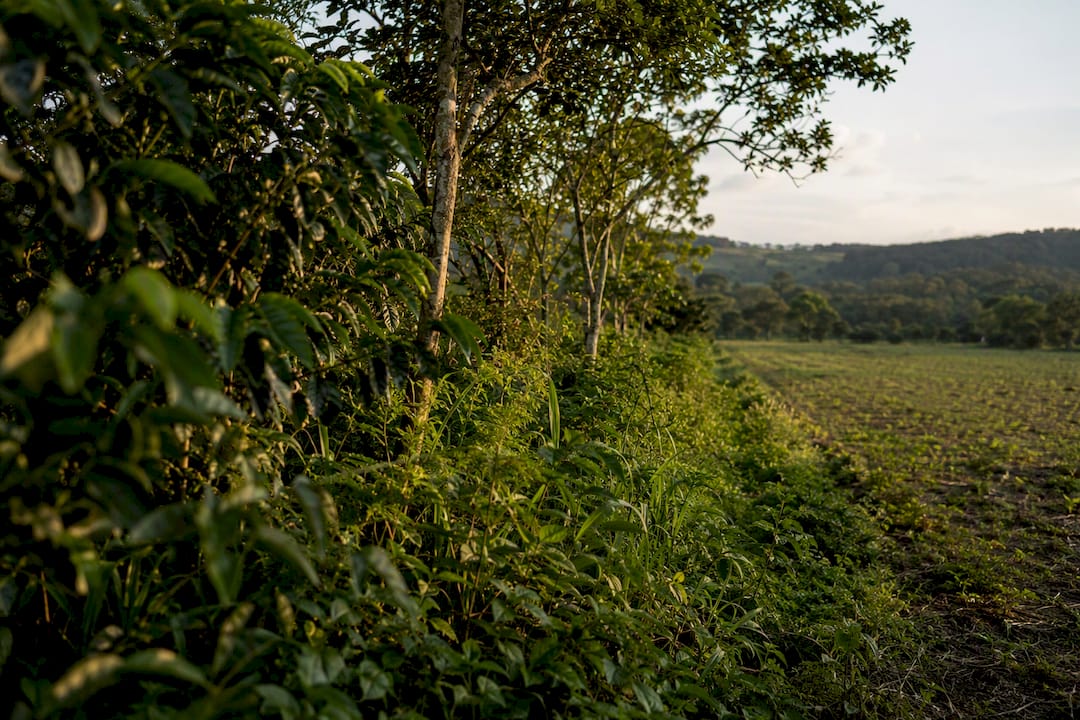
Buffer zones matter more in coffee than people expect. A certified organic farm bordering a conventional operation using aerial or wind-carried pesticide application needs a documented buffer strip, and certifiers check for drift risk during inspections. Learn more about how coffee farming affects the surrounding environment and why these boundary rules exist in the first place.
How Can You Verify an Organic Claim on a Coffee Bag?
You don’t have to take a package’s word for it. A few checks take less than a minute:
- Look for the actual USDA Organic seal, not a green leaf graphic that resembles one
- Find the certifying agent’s name, usually printed near the ingredients or on the back panel
- Note any certifier code if the label includes one
- Search the Organic Integrity Database by operation name or certifier to confirm the certificate is active
A legitimate record in that database will show the operation’s name, its certifying agent, the scope of certification (crops, handling, or both), and the certificate’s status.
Pro Tip: If a bag says “chemical-free,” “clean,” or shows a private eco-badge you don’t recognize, that’s not the same as USDA organic. Private labels can be meaningful, but none of them substitute for the federal seal and a real certifier name you can look up.
Fair Trade, Rainforest Alliance, and Bird-Friendly: How Do They Differ From Organic?
USDA organic covers farming and handling methods. Several other labels you’ll see on coffee bags cover completely different territory:
- Fair Trade focuses on price floors and labor conditions for farmers and workers, not pesticide use
- Rainforest Alliance centers on landscape-level biodiversity and sustainable land management
- Bird-Friendly, certified through the Smithsonian Migratory Bird Center, requires shade-grown habitat that supports migratory bird populations
These labels aren’t competing with organic certification, they’re answering different questions. A bag can carry organic and Fair Trade together, meaning the coffee meets both production standards and labor/pricing commitments. Organic plus Bird-Friendly generally signals shade-grown farming with habitat value on top of pesticide-free production. Check our guide to coffee certifications and sustainability claims for a deeper breakdown of how these overlap.
Why Does Organic Certification Matter, and What Does It Not Guarantee?
The certification gives you real, auditable information: production methods, reduced synthetic inputs, and a traceable supply chain you can actually check instead of trusting on faith.
- Transparency into how the coffee was grown and handled
- Fewer synthetic pesticides and fertilizers in the growing process
- A documented chain of custody from farm to package
- A meaningful choice at the shelf beyond price and roast level
It’s worth being clear-eyed about the limits, too. Organic is a production standard, not a flavor guarantee or a promise of zero pesticide residue, since roasting and prior land use both play a role. Because you can’t verify farming practices just by looking at roasted beans, organic is what economists call a credence attribute: its value depends entirely on trustworthy auditing, not on anything visible in the cup. That’s also why providing verifiable proof behind the claim tends to increase what people are willing to pay for it, more than the word “organic” alone ever does.
How One Specialty Coffee Seller Applies These Standards
At Moustachecoffeeclub, sourcing organic-labeled coffee starts with confirming the exporting farm’s certificate through its accredited certifier, not just trusting a supplier’s claim on a spec sheet… Roast-day scheduling and dedicated handling steps help prevent commingling between organic and non-organic lots during roasting.
What you should expect from any seller making organic claims:
- The certifying agent’s name listed on the product page or packaging
- Roast-date traceability so you know exactly when beans were roasted
- Origin detail specific enough to trace back to a farm or cooperative
- Supply-chain certificates available on request, not hidden behind vague sourcing language
…
A straight answer beats a vague promise
Organic certification is one of the few claims in coffee you can actually check instead of just believing, and that’s the whole point of it. I’d rather see a roaster print a certifier’s name and let you look it up than lean on a green leaf icon and hope you don’t ask questions. Treat certification as one input among several, alongside origin transparency, roast date, and how a company talks about its sourcing, when you decide what’s actually worth your money.
Ready to see those transparency practices in action? Join Moustachecoffeeclub’s coffee subscription and get single-origin beans roasted to order, with origin and sourcing details available for every shipment.
Sources
- Understanding the USDA organic label
- Organic Certification and Accreditation
- Consumer perceptions and organic labeling (PMC9009713)
FAQ
What Coffee Is 100% Organic?
Coffee labeled “100 percent organic” contains only certified organic ingredients with no exceptions, which is common for single-origin roasted coffee since there’s nothing else in the bag to certify.
Is Organic Coffee Better for You Than Regular Coffee?
Organic certification guarantees a farming and handling method free of prohibited synthetic pesticides and GMOs, but it’s not a documented health or safety upgrade over conventional coffee, since roasting affects both types similarly.
What Is the Healthiest Organic Coffee to Drink?
There’s no single “healthiest” certified organic coffee, since the USDA organic standard governs farming practices, not nutritional content; look instead at roast freshness, origin transparency, and your own brewing method.
What Is the Least Toxic Coffee Brand?
No brand ranking exists for “toxicity,” but choosing a coffee with an active USDA Organic certification, verifiable in the Organic Integrity Database, is the most reliable way to confirm it was grown without prohibited synthetic pesticides.
Recommended
- Coffee Certifications Sustainability Guide for U.S. Buyers | Blog | The Moustache Coffee Club
- Specialty Coffee Certifications Types: A Professional Guide | Blog | The Moustache Coffee Club
- Why Consumer Choices Affect Coffee Farmers: 2026 Guide | Blog | The Moustache Coffee Club
- How Coffee Brands Practice Sustainability in 2026 | Blog | The Moustache Coffee Club