Comparing Coffee Subscription Plan Tiers: 2026 Guide

Comparing coffee subscription plan tiers means evaluating pricing structure, roast freshness, personalization depth, and delivery flexibility side by side. The right tier for you depends on whether you prioritize budget, variety, or the shortest possible roast-to-door window. Services like Trade Coffee, Atlas Coffee Club, and Bean Box each structure their plans differently, and those differences directly affect what lands in your cup. This guide breaks down every major variable so you can match a subscription tier to your actual brewing habits and taste preferences, not just a marketing description.
Comparing coffee subscription plan tiers: pricing models explained
Pricing is the first filter most people apply, but raw monthly cost is a misleading metric. The right unit of comparison is cost per 12 oz bag normalized to shipment frequency, because bag sizes and billing cycles vary widely across services.
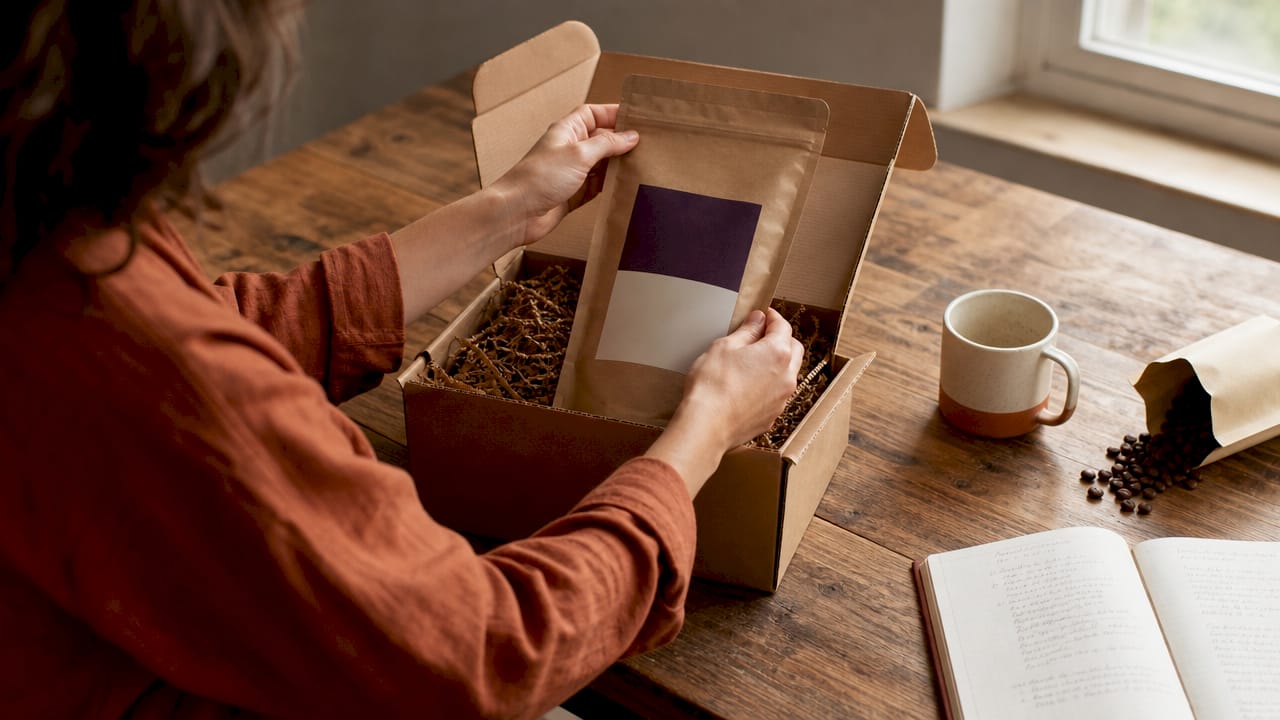
Trade Coffee runs two tiers. The Premium tier costs $19.95 per 10.9 oz bag and unlocks access to over 400 coffees, including decaf options. The Select tier at $15.75 per bag is more approachable but limits you to medium and dark roasts with no decaf availability. That $4.20 gap per bag buys you significantly broader selection and roast diversity, which matters if you drink light roasts or rotate between single origins.
| Service | Price per bag | Bag size | Freshness window |
|---|---|---|---|
| Trade Coffee (Premium) | $19.95 | 10.9 oz | 2–5 days post-roast |
| Trade Coffee (Select) | $15.75 | 10.9 oz | 2–5 days post-roast |
| Atlas Coffee Club | ~$14.00 | 12 oz | 7–14 days post-roast |
| Bean Box | ~$17.00 | 12 oz | 2–3 days post-roast |
Atlas Coffee Club comes in at roughly $14 per bag, making it the most affordable of the three, but its centralized roasting model means longer transit times. Bean Box sits at approximately $17 per bag with the fastest shipping in the group. Coffee of the Month Club takes a different approach entirely, charging $37.95 to $40.95 monthly for two 12-ounce bags with free shipping, which works out to a competitive per-bag rate once you factor in no shipping fees.
Shipping fees and payment models can shift your effective cost more than the listed tier price. Trade charges a $1.95 shipping fee per bag on pay-per-shipment plans, but that fee disappears when you buy prepaid bundles of 3, 6, or 12 bags. If you drink coffee daily, the prepaid route almost always wins on cost.
Pro Tip: Before committing to any tier, calculate your actual cost per ounce. Divide the bag price plus shipping by the bag weight in ounces. A $17 bag with free shipping often beats a $14 bag with a $4 shipping fee.
How does roast freshness vary across subscription tiers?
Freshness is where coffee subscription tiers diverge most dramatically, and it is the variable most buyers underestimate. The roast-to-door window determines how much of a coffee’s volatile aromatic compounds survive the journey to your grinder.
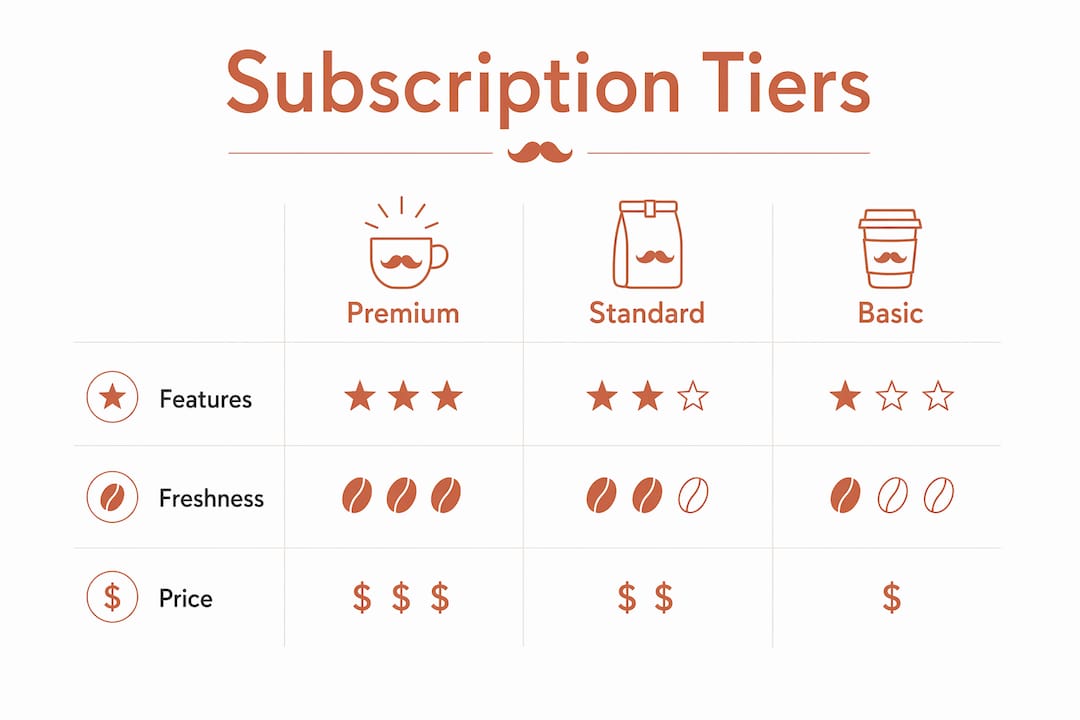
Bean Box ships 2–3 days after roasting, making it the fastest option among major services. Trade Coffee ships 2–5 days post-roast by connecting customers directly to independent roasters rather than routing through a central warehouse. Atlas Coffee Club roasts centrally and ships 7–14 days after roasting, which is a meaningful gap when you are brewing light roasts or pulling espresso shots where freshness is most perceptible.
Why does this matter so much? Freshness windows affect flavor most severely for light roasts and espresso. Light roasts retain more of the origin’s delicate fruit and floral notes, but those compounds degrade faster than the heavier caramel and chocolate tones in dark roasts. A 14-day-old light roast from Ethiopia tastes noticeably flatter than the same coffee at 4 days off roast.
- Bean Box: Best for espresso drinkers and light roast enthusiasts who want peak freshness
- Trade Coffee: Strong freshness performance through direct-roaster shipping, ideal for pour-over and drip
- Atlas Coffee Club: Acceptable for medium and dark roast drinkers; less ideal for light roast purists
The practical takeaway is that freshness tier matters more than price tier if your brewing method amplifies delicate flavors. A pour-over setup with a gooseneck kettle will expose every flaw in a stale bag. A French press with a dark roast is far more forgiving.
What role does personalization play in tier differentiation?
Personalization is the feature that separates a coffee subscription from a commodity delivery service, and it is where higher-priced tiers typically justify their cost most convincingly.
Trade Coffee’s personalization system starts with a detailed quiz covering roast preference, flavor notes, whole bean versus ground, consumption volume, and decaf needs. That quiz feeds an algorithm that matches you to coffees from 450+ independent roasters. The Premium tier gives the algorithm its full range to work with. The Select tier narrows the pool to medium and dark roasts, which limits matching precision for anyone who drinks light roasts or wants decaf.
Here is how the three major services compare on personalization depth:
- Trade Coffee (Premium): Full quiz-driven matching across 400+ coffees, decaf included, with ongoing feedback integration
- Trade Coffee (Select): Quiz-driven but restricted to medium and dark roasts, no decaf, smaller selection pool
- Atlas Coffee Club: No personalization. Monthly curated rotation by country of origin. Ideal for beginners who want guided exploration without decision fatigue
- Bean Box: Preset curated boxes with limited customization. Strong on quality and freshness, weaker on tailoring to individual taste
The critical detail most reviews miss: personalization improves after 3–5 deliveries as the algorithm processes your feedback. Your first two boxes from Trade are educated guesses. By box five, the system has enough signal to make genuinely accurate matches. This means evaluating a personalized tier after one shipment is like judging a restaurant after ordering the wrong dish.
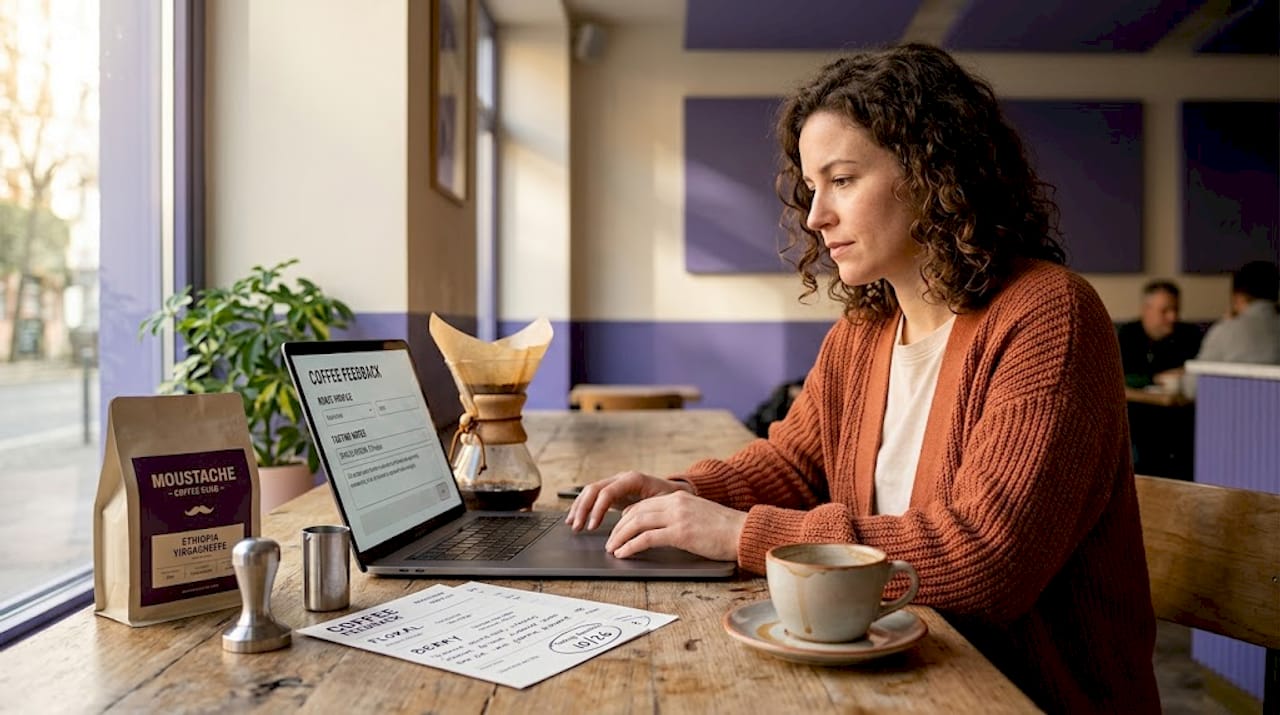
Pro Tip: Use the feedback mechanism after every delivery, not just when you dislike a coffee. Positive signals are just as important as negative ones for refining your matches. Tracking your reactions over time makes this much easier. See how subscription feedback tracking can improve your results.
Atlas Coffee Club works differently and serves a different need. Its monthly country rotations introduce you to coffees from regions you might never seek out independently. There is no algorithm, no quiz, and no personalization. That simplicity is a feature for beginners, not a limitation.
How flexible are delivery frequency and subscription management?
Delivery flexibility determines whether a subscription fits your actual consumption rhythm or creates a pile of unopened bags on your counter.
Trade Coffee offers the widest range of delivery intervals among major services, from every 7 days to every 28 days. You can also choose between pay-per-shipment and prepaid bundles, giving you control over both timing and commitment level. Atlas Coffee Club and Bean Box offer more limited frequency options, typically monthly or bi-monthly, with less granular control over timing.
Key flexibility factors to compare across services:
- Pause and skip options: Trade allows pausing and skipping shipments without canceling. Atlas and Bean Box have more restrictive policies that vary by plan.
- Cancellation terms: Most services allow cancellation at any time on pay-per-shipment plans. Prepaid bundles lock you in for the bundle period.
- Frequency adjustments: Trade’s 7-to-28-day window accommodates both daily drinkers and occasional brewers. A household that drinks one bag per week needs very different settings than someone who brews on weekends only.
- Bag size options: Some tiers offer 6 oz, 10.9 oz, or 2 lb options. Larger bags often come with free shipping, which changes the per-ounce math significantly.
Subscription flexibility directly affects long-term satisfaction. A tier that ships too frequently creates waste and resentment. One that ships too infrequently means running out mid-week and reaching for grocery store coffee. The best approach is to track your consumption for two weeks before selecting a frequency, then adjust after your first two deliveries.
How to choose the right coffee subscription tier for your needs
Choosing the right coffee subscription tier is a matching problem, not a ranking problem. There is no universally best tier. There is only the best tier for your specific combination of budget, brew method, consumption volume, and curiosity level.
Use this framework to narrow your decision:
- Identify your brew method first. Espresso and pour-over demand the freshest possible beans. If either is your primary method, prioritize Bean Box or Trade Premium for their short roast-to-door windows.
- Set a realistic per-bag budget. Factor in shipping fees before comparing listed prices. A $14 bag with $4 shipping costs more than a $17 bag with free shipping at the same bag size.
- Assess your curiosity level. If you want to explore global origins without making decisions, Atlas Coffee Club’s curated country rotations are the right starting point. If you want coffees matched to your specific taste profile, Trade Premium earns its price.
- Match frequency to consumption. Calculate how many bags you go through per month, then select a delivery interval that keeps your beans between 7 and 21 days off roast when you brew them.
- Commit to at least three shipments before switching tiers. Personalization algorithms need time to calibrate, and your own palate needs time to adjust to a new roast style.
| Drinker profile | Recommended tier | Key reason |
|---|---|---|
| Beginner explorer | Atlas Coffee Club | Curated country rotations, no decision fatigue |
| Daily light roast drinker | Trade Premium | Broadest selection, fastest freshness via direct roasters |
| Espresso enthusiast | Bean Box | Fastest roast-to-door window at 2–3 days |
| Budget-conscious medium roast fan | Trade Select | Lower price point, solid medium and dark roast selection |
| Gift buyer | Moustachecoffeeclub | Single-origin focus, gift subscription options available |
Trade, Atlas, and Bean Box each serve a distinct drinker type. Knowing which category you fall into cuts the comparison process from overwhelming to straightforward. You can also learn how to buy specialty coffee to sharpen your palate before committing to a tier.
Key takeaways
The most effective way to compare coffee subscription tiers is to normalize pricing by bag size, prioritize freshness windows based on your brew method, and allow at least three shipments before judging any personalization tier.
| Point | Details |
|---|---|
| Normalize pricing | Calculate cost per ounce including shipping fees before comparing tier prices. |
| Freshness drives flavor | Light roast and espresso drinkers should prioritize services with 2–5 day roast-to-door windows. |
| Personalization takes time | Algorithmic tiers like Trade Premium need 3–5 deliveries to reach their full matching accuracy. |
| Match tier to drinker type | Beginners benefit from Atlas’s curated rotations; enthusiasts get more from Trade Premium’s broad selection. |
| Flexibility reduces waste | Choose delivery frequency based on actual weekly consumption, not estimated consumption. |
What I’ve learned from years of comparing coffee subscription tiers
Most people pick a subscription tier based on the first price they see, then wonder why the coffee feels underwhelming three months in. The real differentiator is not the price. It is the combination of freshness window and personalization feedback loop working together over time.
My honest recommendation: start with Atlas Coffee Club if you are new to specialty coffee. The country-rotation format teaches you what you actually like without forcing you to make decisions you are not equipped to make yet. Once you have a clearer sense of your preferences, move to Trade Premium. The algorithm becomes genuinely useful once you know how to give it accurate feedback.
The layered approach works better than most people expect. Use Atlas for six months to build your palate vocabulary, then bring that knowledge to Trade’s quiz. Your first Trade shipment will be noticeably better calibrated than if you had started there cold.
One thing I would push back on in most coffee subscription reviews: the obsession with price per bag misses the point. A $20 bag that arrives four days off roast and matches your taste profile is a better value than a $14 bag that arrives two weeks old and tastes like someone else’s preference. Freshness and fit are the real currency of a good subscription tier.
— Sean
Why Moustachecoffeeclub makes subscription comparison straightforward
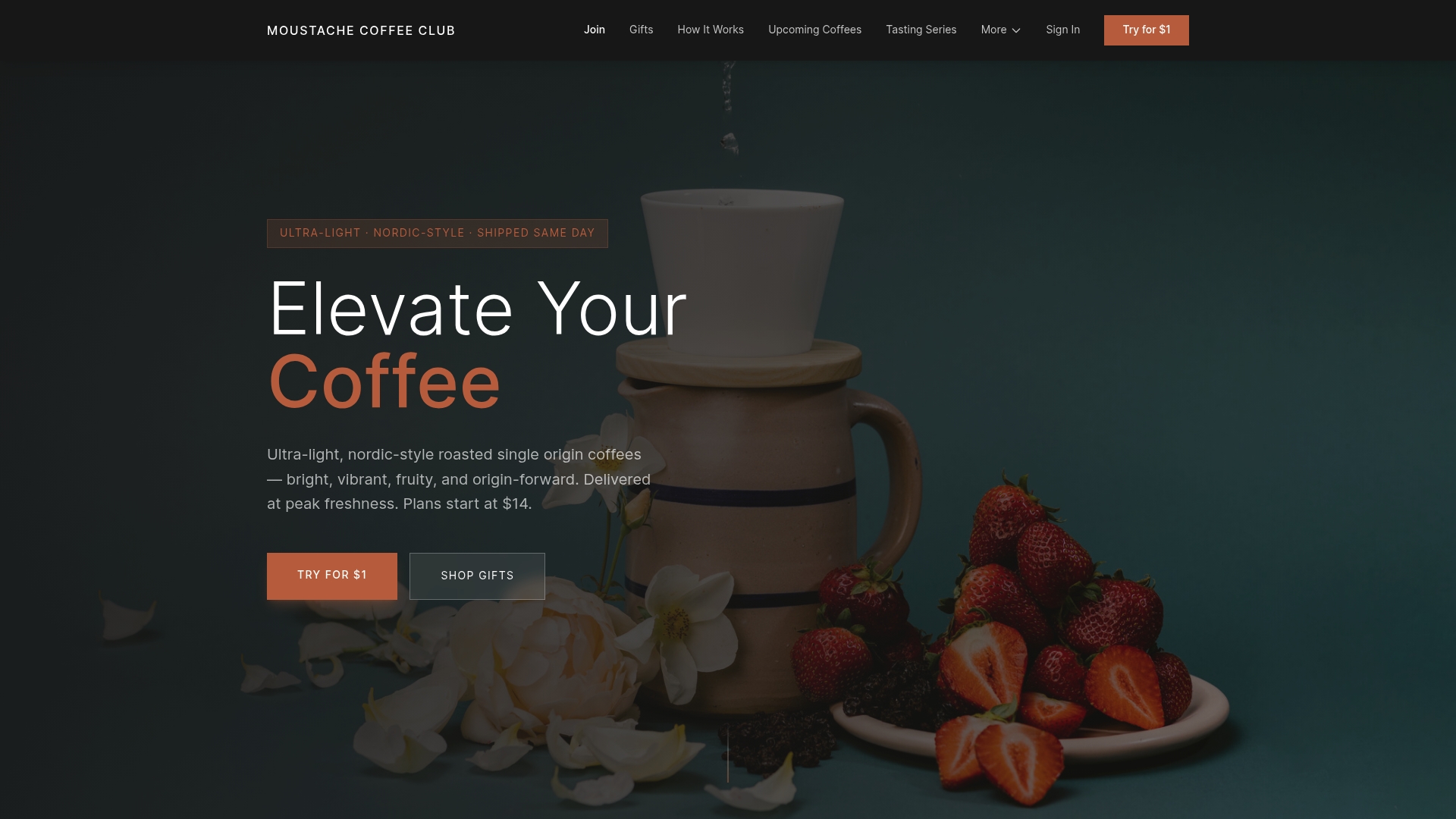
Moustachecoffeeclub takes a different approach from the services compared above. Every subscription is built around ultra-light, Nordic-style single-origin coffees sourced from Ethiopia, Colombia, and other high-altitude growing regions, roasted to order and shipped fresh. There is no algorithm guessing game and no filler blends. You get a curated selection matched to your preferences, with detailed origin reports and brewing guides included so you understand exactly what you are drinking and why it tastes the way it does.
If the criteria in this article matter to you, freshness, transparency, and a subscription that fits your actual taste, explore Moustachecoffeeclub’s subscription tiers and see how a focused single-origin approach compares to the broader catalogs of Trade and Atlas. For deeper background on roast profiles and brewing methods, the coffee education hub is a strong starting point.
FAQ
What is the most important factor when comparing coffee subscription tiers?
Roast freshness and personalization fit are the two factors that most directly affect cup quality. Pricing matters, but a cheaper tier that ships stale coffee or mismatches your taste profile delivers less value than a more expensive one that gets both right.
How do Trade Coffee’s Premium and Select tiers differ?
Trade’s Premium tier costs $19.95 per bag and includes over 400 coffees with decaf options, while the Select tier at $15.75 limits you to medium and dark roasts with no decaf. Premium is the better choice for light roast drinkers and anyone who wants maximum selection.
Which coffee subscription is best for espresso?
Bean Box leads for espresso drinkers because it ships within 2–3 days of roasting, which preserves the aromatic compounds that make espresso shots taste bright and complex rather than flat.
How long should I try a subscription tier before switching?
Commit to at least three to five deliveries before evaluating a personalized tier. Personalization algorithms adjust after multiple feedback cycles, so early shipments often underrepresent the tier’s actual matching quality.
Are prepaid coffee subscription bundles worth it?
Prepaid bundles eliminate per-shipment fees and lock in a lower effective price per bag. For Trade Coffee, the $1.95 per-bag shipping fee on pay-per-shipment plans adds up quickly, making prepaid bundles the better value for consistent drinkers.
Recommended
- Tracking Coffee Subscription Feedback for Better Cups | Blog | The Moustache Coffee Club
- Best Coffee Subscription | Fresh Roasted Single Origin | Moustache Coffee Club
- What is a coffee gift subscription? The perfect gift | Blog | The Moustache Coffee Club
- What Is Included in a Coffee Tasting Box? | Blog | The Moustache Coffee Club