3 Keys to Bright Decaf Light Roast: Swiss Water, Fresh, Brewed
Yes, a genuinely good decaf light roast exists, and it comes down to three things: a water-based decaffeination process, a roast date you can actually see, and brewing that respects how differently decaf beans behave. Get those right and you land on something bright and fruit-forward, not the flat, ashy stuff decaf has been unfairly known for. The rest of this guide covers exactly what to look for when buying and how to brew it so that character actually shows up in the cup.
TL;DR:
- Water-processed decaf light roasts preserve more origin flavors and acidity, making them brighter and fruitier compared to solvent-based alternatives.
- Ensuring the roast date is within two to four weeks and the process is clearly labeled as Swiss Water or water processed is crucial for freshness and flavor integrity.
- Light roast decaf beans should display a matte surface with no oil sheen and have tasting notes highlighting citrus, stone fruit, floral, or honey flavors.
- Brewing methods like pour-over or Aeropress at slightly lower temperatures and coarser grinds enhance clarity and highlight the decaf’s brightness.
- Buying from roasters that roast beans to order and emphasize transparency significantly improves the chances of a vibrant, flavorful cup.
Table of Contents
- What Does “Light Roast Decaf” Actually Mean?
- Why Water-Processed Decaf Tastes Better in a Light Roast
- What Does Decaf Light Roast Actually Taste Like?
- How to Choose a Decaf Light Roast: A Buying Checklist
- Brewing Decaf Light Roast to Show Off Acidity and Clarity
- Why Fresh-Roasted, Roast-to-Order Decaf Solves Most of This
- The Editorial Take: Stop Blaming Decaf for Bad Roasting
- Consider a Roast-to-Order Light Decaf Subscription
- Sources
- FAQ
What Does “Light Roast Decaf” Actually Mean?
Decaffeination happens to green, unroasted beans, long before a roaster ever touches them with heat. That order of operations matters more than most shoppers realize. Whatever process strips the caffeine also changes the bean’s structure, and that altered structure changes how the bean behaves once it hits the roaster.
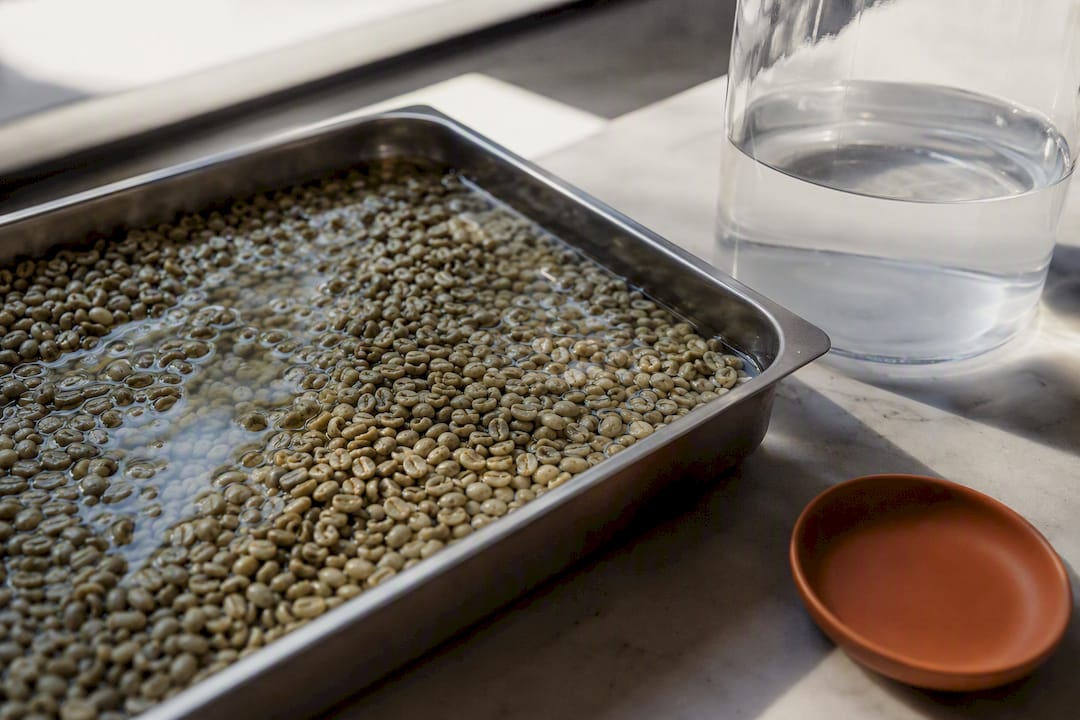
Decaffeinated beans come out of processing more porous than regular green coffee, since most methods involve soaking the beans to draw out caffeine. Porous beans roast faster and can scorch more easily, so a roaster working with decaf has to shorten the roast profile to avoid flattening out the origin character.
Light roast, in general terms, means pulling the beans off the heat earlier, before the sugars caramelize into the deeper, heavier notes you get from a dark roast. That preserves acidity and the fruit or floral qualities tied to where the coffee was grown. A few things worth clearing up:
- Roast level barely affects caffeine content. The myth that dark roast has less caffeine than light roast is largely false.
- “Decaf” means most of the caffeine has been removed, not all of it. Trace amounts remain.
- Light roast decaf isn’t a contradiction. It’s just a harder profile for a roaster to nail.
Why Water-Processed Decaf Tastes Better in a Light Roast
Not all decaffeination methods are created equal, and the difference shows up directly in your cup. The Swiss Water Process and similar water-based methods use only water, temperature, and time to pull caffeine out of green beans, with no chemical solvents involved. That solvent-free approach is one reason reviewers point to water processing as the method that best preserves origin character rather than masking it.
Solvent-based decaf methods can leave behind faint chemical or muted flavors that a heavier roast can cover up with caramelized, roasty notes. A light roast has nowhere to hide that kind of flaw. That’s exactly why water-processed beans pair so much better with a light roast profile: there’s less off-flavor to disguise in the first place, so the roaster can let the bean’s actual acidity and fruit notes come through instead of leaning on darker development to smooth things over.
When you’re scanning a bag or a product page, a few label cues tell you a lot fast:
- Look for explicit wording like “Swiss Water Process” or “water processed” rather than a generic “decaf” label with no method named.
- Check for a roast date printed on the bag, ideally within the last two to four weeks.
- Organic certification is a nice extra signal of processing standards, though it isn’t required for good flavor, per USDA organic guidance.
Lighter roasts also retain higher levels of chlorogenic acid, a plant compound tied to coffee’s perceived brightness and to some antioxidant benefits, according to a Healthline review of roast-level research. That’s one more reason light roast and water-processed decaf make a good pair: you’re not just protecting flavor, you’re preserving compounds that darker roasting tends to break down.
What Does Decaf Light Roast Actually Taste Like?
Done well, a decaf light roast should taste closer to a bright, complex single-origin coffee than to the muddy “diner decaf” reputation the category has carried for decades. Expect these kinds of notes on a well-roasted, water-processed decaf:
- Citrus, especially lemon or orange, showing up as acidity more than as sweetness.
- Stone fruit like peach or apricot, particularly on washed-process origins.
- Floral notes, jasmine or hibiscus being common descriptors from Ethiopian-style lots.
- Honey or light caramel sweetness without heavy roast bitterness.
- A tea-like, lighter body rather than the heavy mouthfeel of a dark roast.
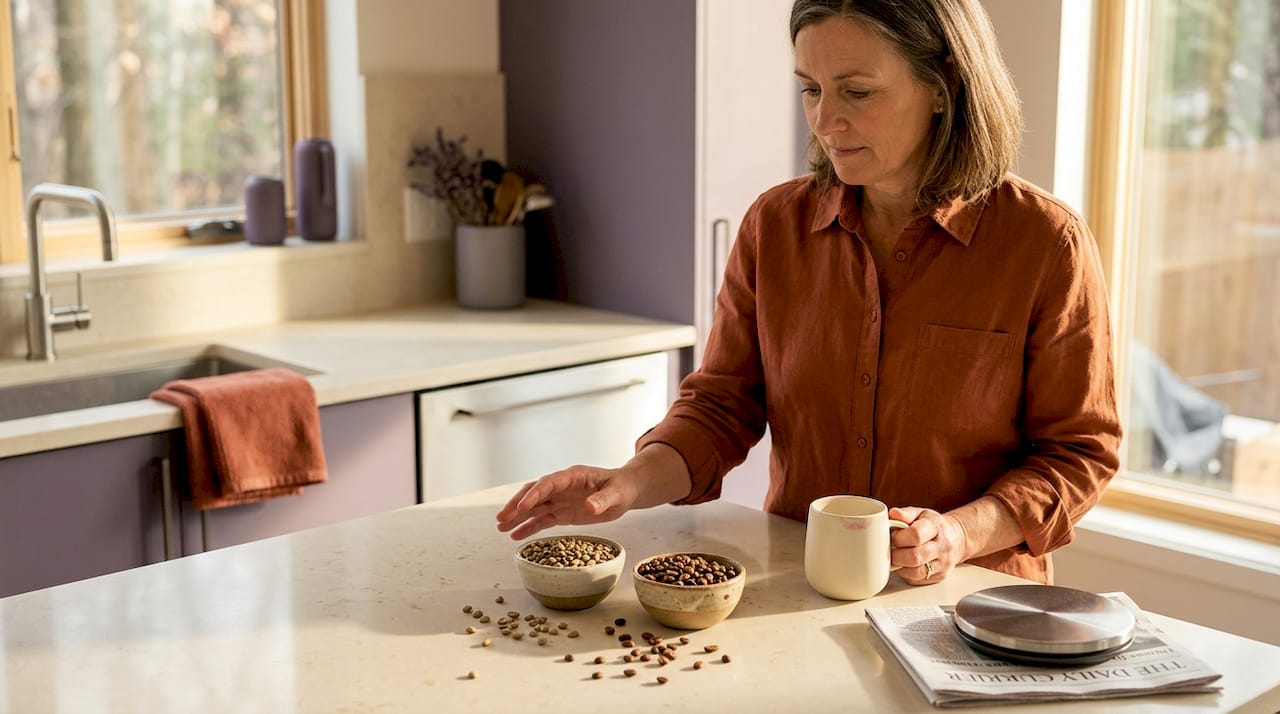
Here’s the catch: a bag labeled “light roast” doesn’t always deliver on that promise. Roast-level labeling isn’t standardized across the industry, and some producers stretch the definition. A few practical clues help you tell the difference before you even brew a cup. Visible oil sheen on the beans usually signals a darker roast than advertised, since oils migrate to the surface as roasting intensifies. Beans that look uniformly light brown with a dry, matte surface are a better sign of true light roasting.
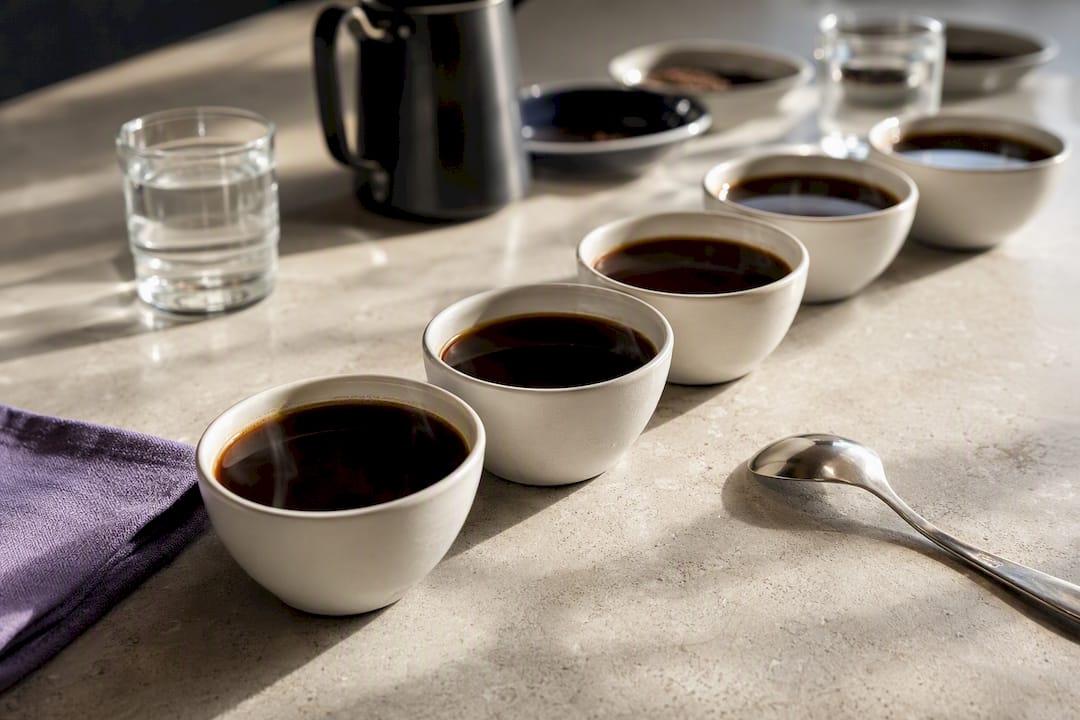
Pro Tip: If a roaster offers sample sizes or a roast-to-order subscription, order the smallest amount first. Cupping the coffee black, without milk or sugar, is the fastest way to judge whether the tasting notes on the bag match what’s actually in your cup.
Reading the tasting-note vocabulary roasters use also helps you calibrate expectations. A bag that promises “chocolate and caramel” is describing a darker roast profile no matter what roast level is printed on the label, since those flavors come from deeper caramelization, not origin character.
How to Choose a Decaf Light Roast: A Buying Checklist
Shopping for decaf light roast online means reading past the marketing copy to the details that actually predict flavor. Run through this list before adding anything to your cart:
- Decaf method named explicitly. Swiss Water Process or another water-based method should be stated, not implied.
- Visible roast date. No date at all is one of the biggest red flags in specialty coffee, decaf included.
- Single-origin or clearly stated origin. Even a transparent blend beats a bag that just says “decaf” with no sourcing information.
- Tasting notes that mention acidity or fruit. If every descriptor is chocolate, nutty, or smoky, you’re likely looking at a darker roast regardless of the label.
- Sample sizes or subscription options. Roasters confident in their decaf usually let you try a small amount first.
- Grind options and a reasonable return policy. Both point to a roaster set up for direct-to-consumer freshness, not sitting in a warehouse.
| Buying signal | Why it matters |
|---|---|
| Named decaf process | Confirms water-based method, tied to better flavor retention |
| Roast date on bag | Freshness drives aroma and acidity |
| Origin transparency | Signals quality sourcing and consistency |
| Fruit or acidity notes | Indicates a true light roast, not a mislabeled one |
Watch for the opposite pattern too. If a roaster’s entire decaf lineup is dark roast only, that’s often a sign they’re using decaf beans to cover up flaws rather than showcase them, since a heavier roast forgives more mistakes than a light one does.
Brewing Decaf Light Roast to Show Off Acidity and Clarity
Decaf beans extract differently than caffeinated beans because the soaking involved in decaffeination changes the bean’s porosity, which means water moves through the grounds faster and pulls flavor out more quickly. That single fact should shape almost every brewing decision you make with these beans.
- Pick a method built for clarity. Pour-over methods like the V60, or an Aeropress recipe tuned for brightness, show off acidity far better than immersion brewing like a French press, which tends to flatten delicate notes.
- Start with a slightly coarser grind than usual. Because decaf extracts faster, a grind that’s too fine risks pulling out bitterness before the sweeter, brighter compounds develop fully.
- Drop your water temperature a few degrees. Where a typical light roast might call for water near 205°F, decaf often does better closer to 200°F, since the porous structure extracts more readily even at slightly lower heat.
- Watch your brew time closely. A pour-over that normally runs three to four minutes might finish faster with decaf; taste at the shorter end first and adjust from there.
- Diagnose by taste. Sourness usually means underextraction, so grind finer or extend contact time slightly. A thin, flat cup usually means overextraction stripped out the sweetness, so grind coarser or shorten the brew.
Pro Tip: Treat your first cup with any new decaf light roast as a dialing-in cup, not a final judgment. Adjust one variable at a time, grind or temperature, never both at once, so you actually know what fixed the problem.
If you want a more detailed walkthrough, a step-by-step dialing-in guide and a list of brewing methods suited to light roasts both walk through these adjustments in more depth than a quick checklist can.
Why Fresh-Roasted, Roast-to-Order Decaf Solves Most of This
A subscription model built around ultra-light, Nordic-style roasting on single-origin coffee can help preserve freshness and roast profile, which are important for light roast flavor. Beans roasted to order rather than sitting on a shelf retain far more of the volatile aromatics that define citrus, floral, and stone-fruit notes.
A few resources make it easier to act on everything covered above:
- Brewing guides built specifically around light roast extraction, not generic coffee advice.
- Dialing-in instructions for pour-over and Aeropress recipes tuned to lighter, more delicate profiles.
- Origin reports that explain sourcing and processing instead of vague marketing language.
None of this requires guessing which roaster to trust. A subscription built around roast date and single-origin transparency removes most of the risk from buying decaf blind.
The Editorial Take: Stop Blaming Decaf for Bad Roasting
The conventional wisdom that decaf can’t taste good gets the blame backwards. The real culprit is almost always a roasting decision, not the decaffeination itself. Water-based processing, done right, leaves plenty of origin character intact. What kills flavor is a roaster who treats decaf as an afterthought, pushing it into a dark, generic profile because the beans are already assumed to taste flat.
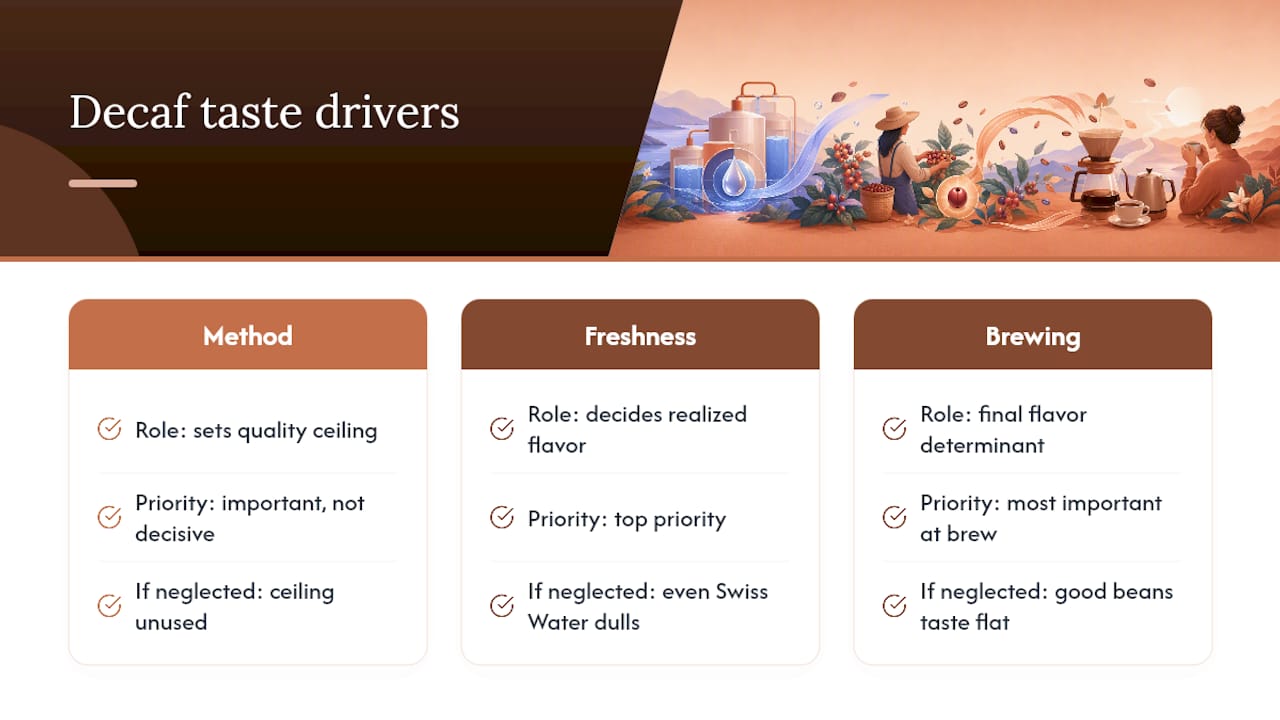
What gets overrated in most coffee advice is the fixation on decaf method alone, as if naming “Swiss Water” on a label guarantees a good cup. It doesn’t. Method matters, but roast-to-order freshness matters just as much, and brewing technique matters more than either once the beans are in your hands. A perfectly processed decaf bean roasted six months ago and pulled with a French press will still taste dull.
If you take one thing from this guide, prioritize freshness first. A mediocre decaf roasted three days ago will usually beat a technically superior decaf that’s been sitting since last quarter. Method sets the ceiling; freshness and brewing decide whether you actually reach it.
— Sean
Consider a Roast-to-Order Light Decaf Subscription
Buying decaf light roast off a shelf is a gamble because you rarely know the roast date, and by the time it reaches you, the delicate notes that make light roast worth drinking have often faded. A roast-to-order approach in the ultra-light, Nordic-inspired style and shipping fresh aims to preserve the citrus, floral, and stone-fruit character that can fade on a warehouse shelf.
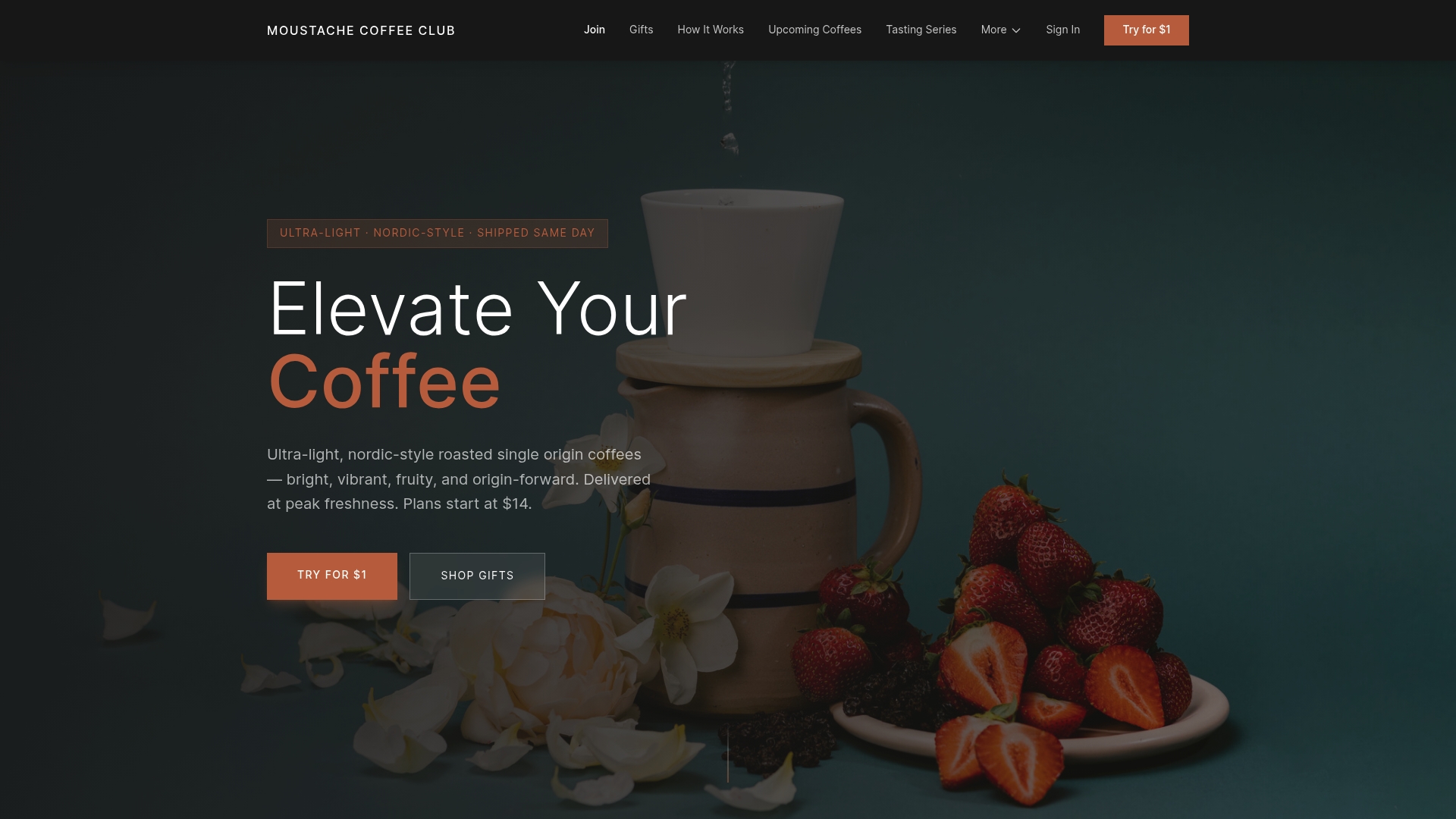
Some subscription services offer a way to give feedback on flavor preferences, potentially allowing future shipments to be tailored toward brighter, more acidic profiles without repeated research. If freshness and single-origin transparency are what’s been missing from your decaf, check out the current subscription plans and pick a size that fits how much coffee you actually go through in a couple of weeks.
Sources
- The 4 Best Decaf Coffee of 2026, Tested & Reviewed — Serious Eats
- Light roast vs. dark roast coffee — Healthline
FAQ
Can Decaf Coffee Be a Light Roast?
Yes. Decaffeination happens to green beans before roasting, so a roaster can still take those beans to a light roast level; it just requires a shorter, more careful roast profile since decaf beans are more porous and roast faster.
What Is the Best Light Roast Decaf Coffee to Look For?
Look for a decaf that names its process (Swiss Water Process or another water-based method), lists a recent roast date, and states a single origin with tasting notes that mention acidity or fruit rather than only chocolate or nutty flavors.
Does Anyone Make a Dark Roast Decaf Coffee?
Yes, dark roast decaf is common, and it’s actually easier to produce since the heavier roast masks flaws or off-flavors from the decaffeination process more easily than a light roast can.
Is There a Decaf Blonde Roast?
Yes. “Blonde roast” is a marketing term for a very light roast, and it works the same way as any other light roast decaf: the beans are decaffeinated first, then roasted briefly to preserve brightness and origin character.