Buy Floral Coffee Beans Fresh: Roast Date 7–14 Days, Light Roasts
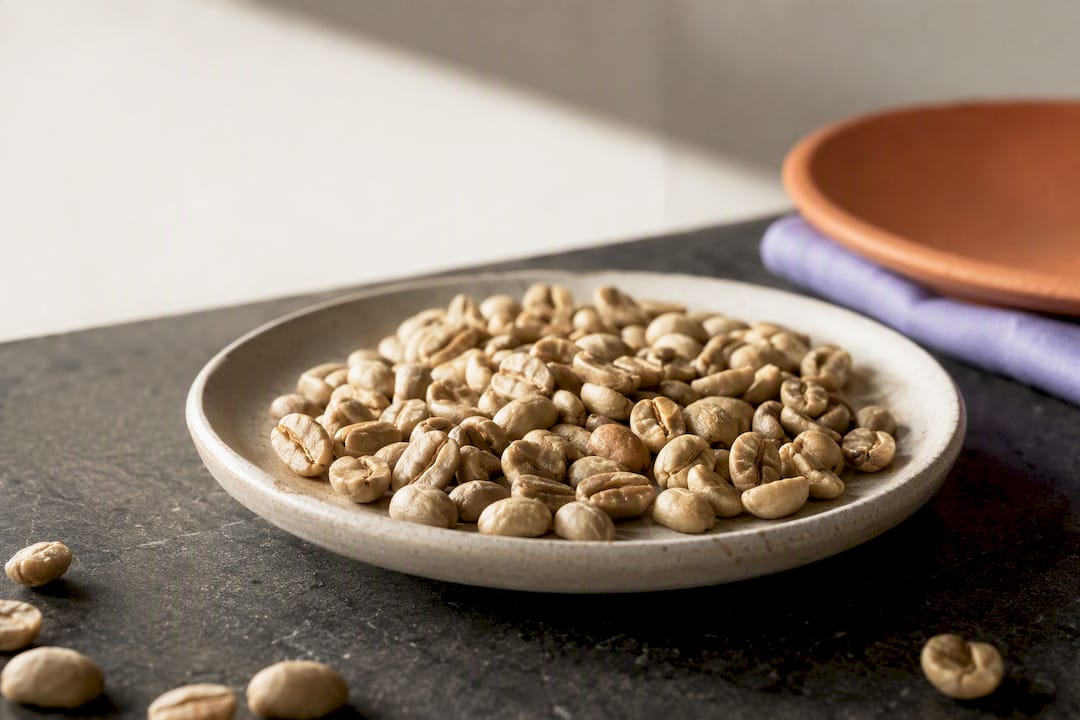
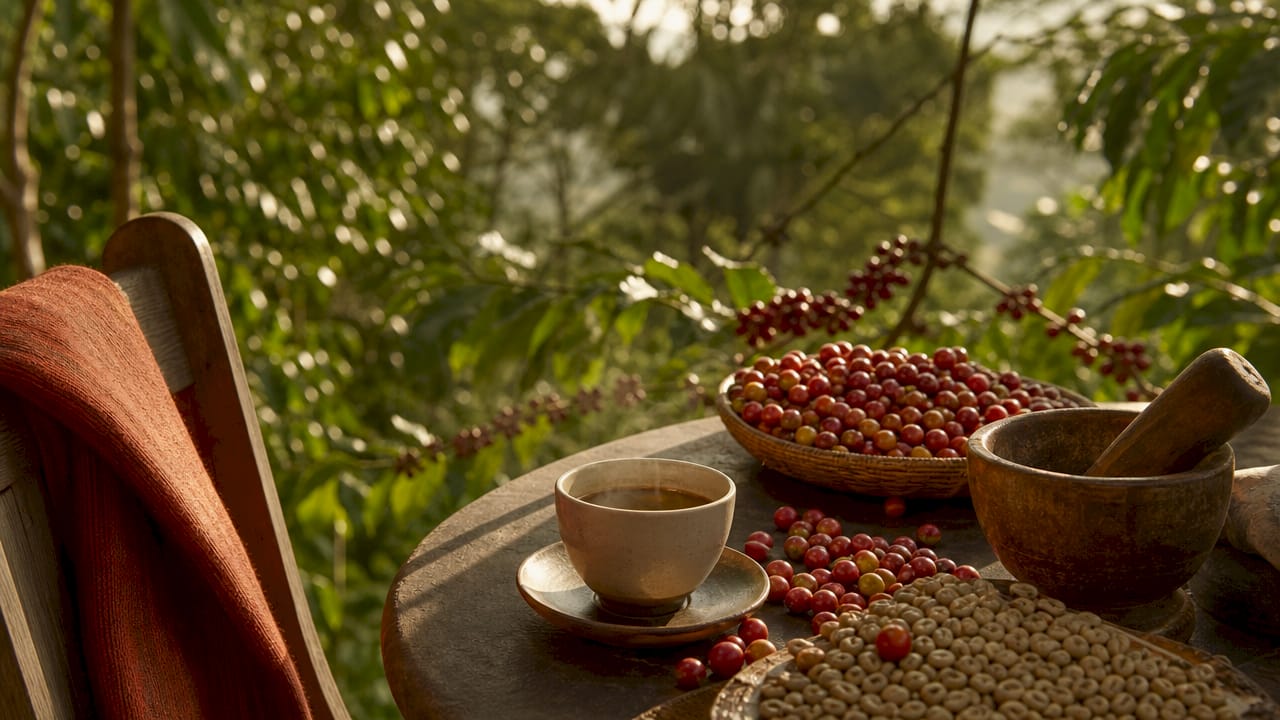
Floral coffee beans are specialty Arabica lots whose aroma and taste resemble jasmine, rose, lavender, or orange blossom because they retain volatile aromatic compounds called terpenes. They fit drinkers who want a delicate, tea-like cup rather than heavy chocolate or nut flavors. If that sounds like you, look for light roast, single-origin beans with a recent roast date and a tasting note that names a specific flower, or explore some of the top Lisbon coffee roasters tourists must experience to discover more floral coffee options.
TL;DR:
- Floral coffee’s aroma mainly comes from specific terpenes such as linalool, geraniol, and limonene, which are most preserved in washed Ethiopian and Geisha coffees.
- Light roast and recent roasting ensure the delicate floral aromatics remain intact, as darker roasts tend to diminish these volatile compounds.
- Brew methods like pour-over and AeroPress at controlled temperatures highlight floral notes, while cold brew can sometimes reveal more subtle aromas.
- Freshness is critical, with beans best used within 7 to 14 days of roasting, as oxidation quickly depletes floral compounds.
- Buying smaller, freshly roasted beans and prioritizing roast date over origin enhances the chances of experiencing true floral flavors in your cup.
Table of Contents
- What “Floral” Means on a Tasting Note
- Which Origins and Varieties Taste Most Floral
- How Processing and Roast Degree Shape Floral Flavor
- Brewing Methods That Bring Out Floral Notes
- What to Look for When Buying and Storing Floral Coffee
- Why Moustachecoffeeclub Fits Buyers Chasing Floral Cups
- Editorial Take: Stop Chasing Marketing Language and Start Chasing Roast Dates
- Get Floral Coffee Roasted to Order, Not Left Sitting on a Shelf
- Sources
- FAQ
What “Floral” Means on a Tasting Note
Floral is a catch-all sensory term, but tasters usually mean one of a handful of specific smells. Jasmine shows up as a sweet, slightly green perfume. Rose reads softer and more powdery. Lavender carries an herbal edge. Orange blossom leans citrus-sweet rather than purely floral.
These descriptors trace back to real chemistry. Monoterpenes such as linalool, geraniol, and limonene are the primary drivers of floral and citrus aromatics in coffee, and each maps to a fairly specific smell:
- Linalool leans toward lavender and bergamot.
- Geraniol reads closer to rose.
- Limonene contributes brighter citrus and orange-blossom character.
Sweet Maria’s coffee library describes floral as a delicate quality most common in washed Ethiopian coffees, and recommends smelling actual flowers to calibrate your palate before you taste. It’s a strange exercise the first time, but it works. Our tasting notes guide breaks down more of this vocabulary if you want to build out your reference library.
Which Origins and Varieties Taste Most Floral
Ethiopia dominates this category, and for good reason. Heirloom varieties grown in Yirgacheffe and Guji produce some of the most reliably floral cups in specialty coffee, largely because of altitude, native varietals, and washed processing that lets delicate aromatics survive intact.
Geisha (also spelled Gesha) is the other name that comes up constantly. A 2024 genetic study identified a CaTPS10-like gene in Geisha linked to higher levels of limonene and linalool oxide during fruit ripening. That’s a real biological explanation for why Geisha lots from Panama and Ethiopia consistently taste more floral and citrusy than most other varieties, not just marketing language.
Beyond those two, keep an eye on:
- Kenya, where high-grown AA and AB lots often show floral notes layered over black currant and citrus.
- Colombian microlots, especially from higher-elevation farms experimenting with extended fermentation.
- Panama Geisha, the variety that put competition-grade floral coffee on the map at Best of Panama auctions.
Our deep dive on Ethiopian floral coffee covers the regional detail if Ethiopia is where you want to start buying.
How Processing and Roast Degree Shape Floral Flavor
Processing and roast level decide whether those floral terpenes make it into your cup or vanish before you ever smell them.
- Washed processing tends to produce the cleanest floral expression. Removing the fruit before drying strips out competing sugars and fermentation flavors, leaving jasmine and citrus notes front and center.
- Natural processing, where the cherry dries intact around the seed, usually pushes flavor toward fruit and wine rather than pure florals, though it can add a honeyed sweetness that pairs well with floral base notes.
- Controlled co-ferments go further. Some producers add fermentation agents or infuse cherries with ingredients like jasmine flowers during processing, deliberately amplifying floral esters. One documented jasmine co-ferment lot from Sumatra produced a jasmine and honeysuckle profile with a tea-like finish, a good example of how far intentional processing can push floral character beyond what genetics alone provide.
- Roast degree matters as much as processing. Light and Nordic-style roasts stop development early, before the heat breaks down volatile terpenes. Push into medium or dark roast territory and those same terpenes give way to caramelized sugar and roast-driven flavors. Floral notes simply cannot survive a dark roast.
Brewing Methods That Bring Out Floral Notes
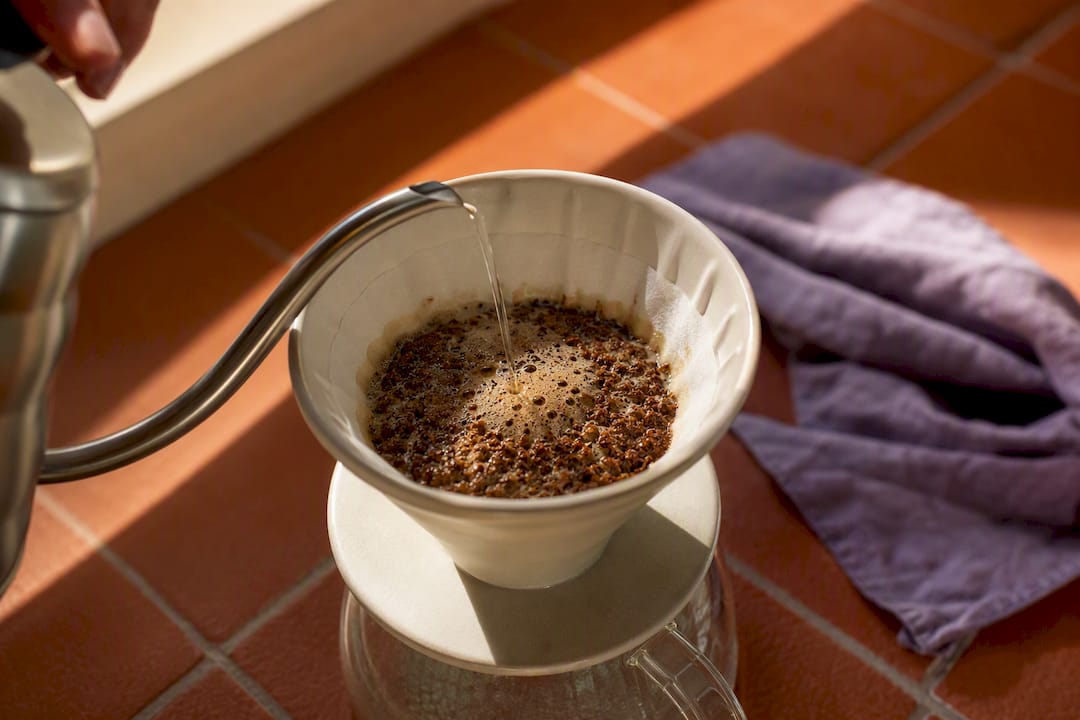
Pour-over methods win here because they extract cleanly without the heavier body of full immersion brewing, and water temperature control between 195 and 205 degrees Fahrenheit keeps you in the range that favors clarity over bitterness. A V60 or Chemex gives you the control a French press can’t.
Two starting recipes:
- V60: Use 20 grams of coffee to 320 grams of water at 200°F, ground medium fine. Bloom with 40 grams of water for 30 seconds, then pour in three gentle stages, avoiding heavy agitation. Total brew time should land around 2:30 to 3:00.
- AeroPress: Use 15 grams of coffee to 220 grams of water at 195°F, inverted method, steep for 1:30 before pressing slowly over 30 seconds. The lower temperature and shorter contact time protect the more fragile aromatics.
Cold brew and short French-press steeps deserve a mention too. Because gentler, cooler extraction can preserve volatiles that heat sometimes drives off too fast, a slow cold steep occasionally reveals floral notes a hot brew masks. Our pour-over brewing guide walks through the technique step by step, and this piece on how brewing method affects flavor goes deeper on why method choice matters as much as bean selection.
Pro Tip: Use a slightly coarser grind than you think you need, and slow your pour. Rushing the pour agitates the grounds and pulls out bitterness that buries delicate florals.
What to Look for When Buying and Storing Floral Coffee
A few label details tell you almost everything before you brew a single cup:
- Roast date within 7 to 14 days. Floral aromatics are among the first compounds lost to oxidation, so freshness matters more here than with heavier, chocolate-forward beans.
- Light roast level, stated clearly on the bag, not just implied by a light-colored bean photo.
- A processing note, ideally washed, since that method most reliably preserves clean floral character.
- Single-origin or microlot labeling, since blends dilute the specific floral signature you’re after.
- A tasting note that names an actual flower, not just “bright” or “complex.”
Store beans in an airtight, opaque container, away from heat and direct light. Buy smaller bags more often rather than one large bag that sits open for a month. Subscriptions built around small, frequent shipments solve this problem structurally, since you’re never storing more coffee than you’ll drink inside that freshness window. Our buying guide for specialty coffee covers more of these signals if you’re shopping cold.
Why Moustachecoffeeclub Fits Buyers Chasing Floral Cups
If everything above sounds appealing but you don’t want to hunt down small-batch Ethiopian lots yourself, that’s the exact gap Moustachecoffeeclub is built to close. The subscription features ultra-light, Nordic-style roasted single-origin coffees from various regions, roasted to emphasize delicate floral notes.

The site also publishes origin-specific breakdowns, including a detailed explanation of why Ethiopian coffee tastes floral, so you’re not guessing at what you’re buying. Coffee ships quickly after roasting, and customer feedback helps tailor future selections to your taste preferences.
Editorial Take: Stop Chasing Marketing Language and Start Chasing Roast Dates
Most advice on floral coffee focuses on origin, and origin matters, but it’s not the lever most people are missing. The bigger failure point is roast degree and freshness, and almost nobody talks about it with enough urgency.
A Yirgacheffe lot roasted medium loses most of what made it worth buying in the first place. A Geisha sitting on a shelf for six weeks has already shed the linalool and limonene that justified its price. The genetics research on Geisha’s terpene expression is fascinating, but it describes what’s possible in the cherry, not what survives to your cup. Roasting and time decide that part, and most buyers never think past the origin label.
If you take one thing from this guide, prioritize roast date over origin prestige. A fresh, well-roasted Kenya AA will beat a stale, over-roasted Geisha every time. Buy less, buy more often, and read the roast date before you read the tasting notes.
— Sean
Get Floral Coffee Roasted to Order, Not Left Sitting on a Shelf
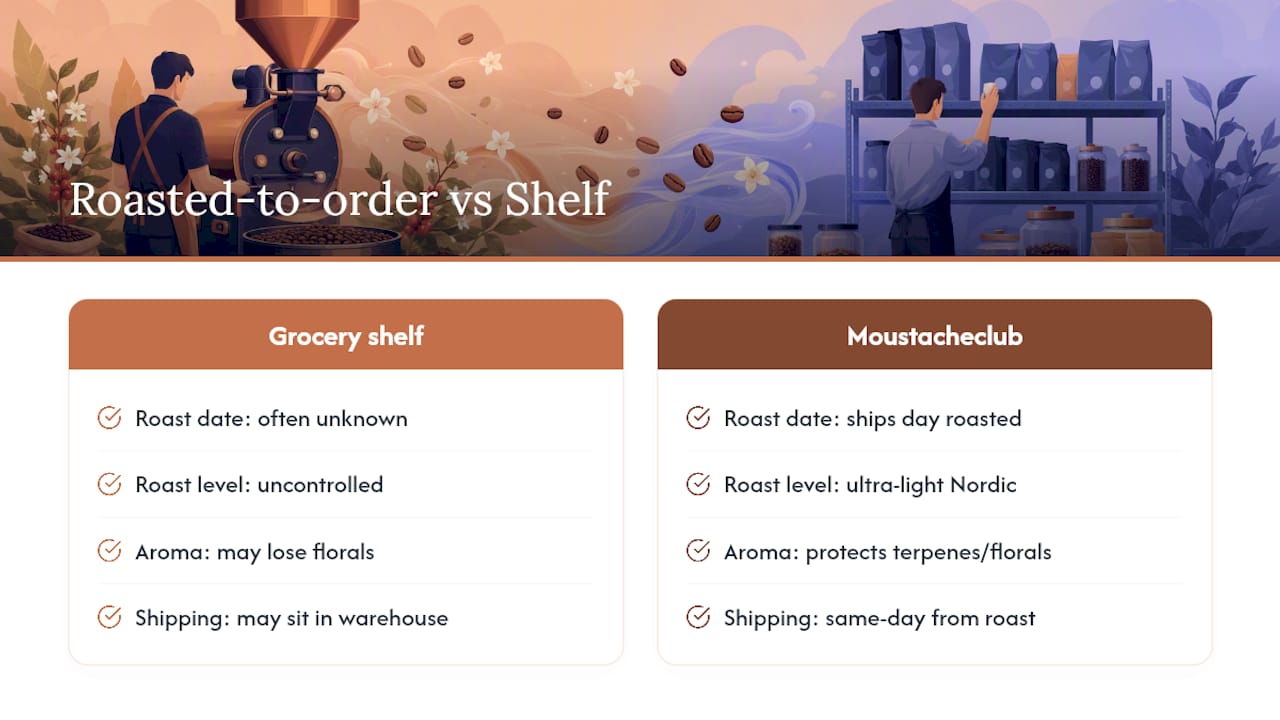
Buying floral coffee off a grocery shelf means gambling on a roast date nobody printed clearly and a roast level nobody controlled for aroma preservation. Moustachecoffeeclub ships single-origin beans the day they’re roasted, using the same ultra-light Nordic-style approach that protects the terpenes this guide just walked you through, so you’re not stuck hoping a bag survived shipping and warehouse time with its florals intact.
The subscription plans run from the entry-level Duet at $24 per week per bag up to larger household options like Orchestra, and each one lets you flag flavor preferences so future shipments lean further into jasmine, rose, or citrus-forward lots if that’s what you’re after. Not ready to commit weekly? A gift subscription works well for introducing someone else to floral coffee without them having to learn the terminology first.
Start with a plan built around what you actually want in the cup. Check the current plans and pick the frequency that matches how fast you drink through a bag.
Sources
- PMC10988958 — genetic study on terpenes in Geisha coffee
- Floral - Sweet Maria’s Coffee Library
- Aroma preservation guidance — The Brew Therapy
FAQ
What Is Floral Coffee?
Floral coffee is specialty Arabica with aroma and taste resembling jasmine, rose, lavender, or orange blossom, driven by terpenes like linalool and geraniol that survive in washed, light-roasted lots.
What Is a Coffee Flower?
Coffee plants produce small white blossoms that smell distinctly jasmine-like, and this is a separate thing from floral tasting notes in the brewed cup, though the two share overlapping aromatic compounds.
Which Coffee Beans Have the Most Aromatic Flavor?
Ethiopian heirloom varieties from Yirgacheffe and Guji, along with Geisha lots from Panama and Ethiopia, are widely regarded as the most aromatically floral, partly due to a genetic link tied to elevated terpene levels in Geisha specifically.
Which Fruity Coffee Beans Are the Best?
Natural-processed coffees from Ethiopia and Colombia tend to show the most fruit-forward character, since the intact cherry drying process adds berry and wine-like sweetness alongside any floral base notes. Subscriptions like Moustachecoffeeclub’s rotate through single-origin lots, making it easier to compare fruity and floral profiles side by side without committing to a full bag of each.