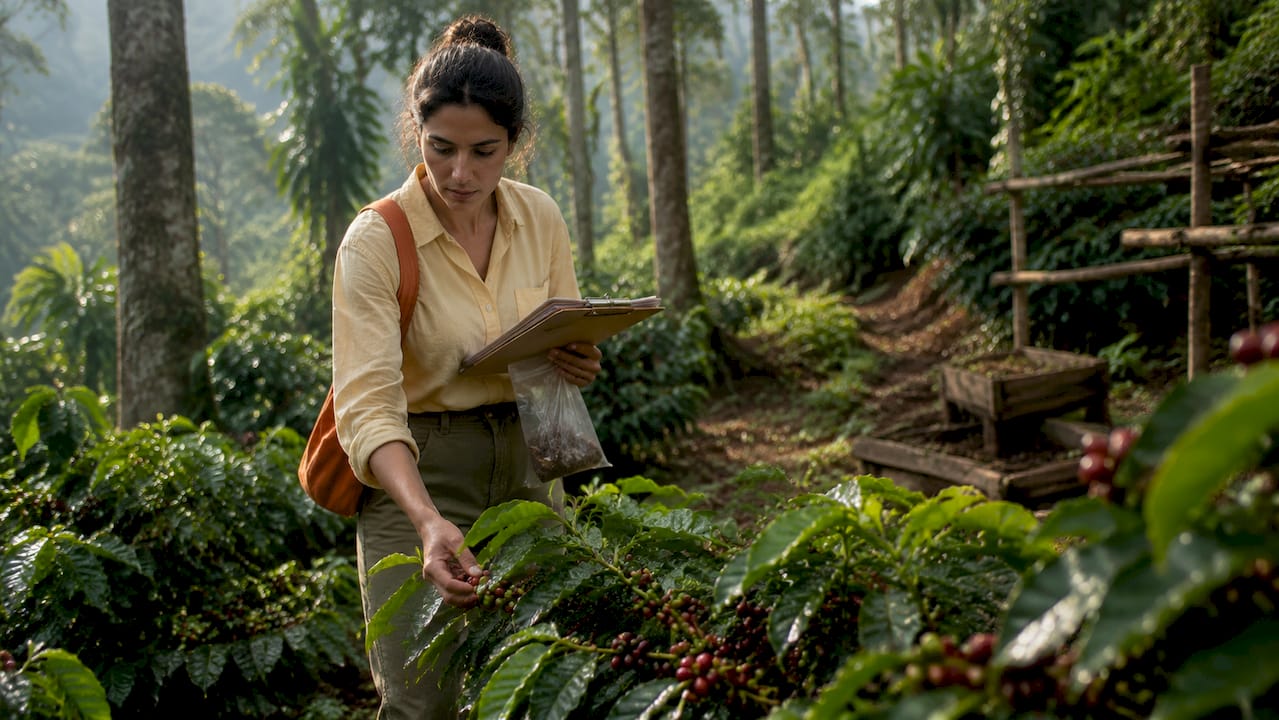
Sustainable Coffee Roasting Practices: A 2026 Guide
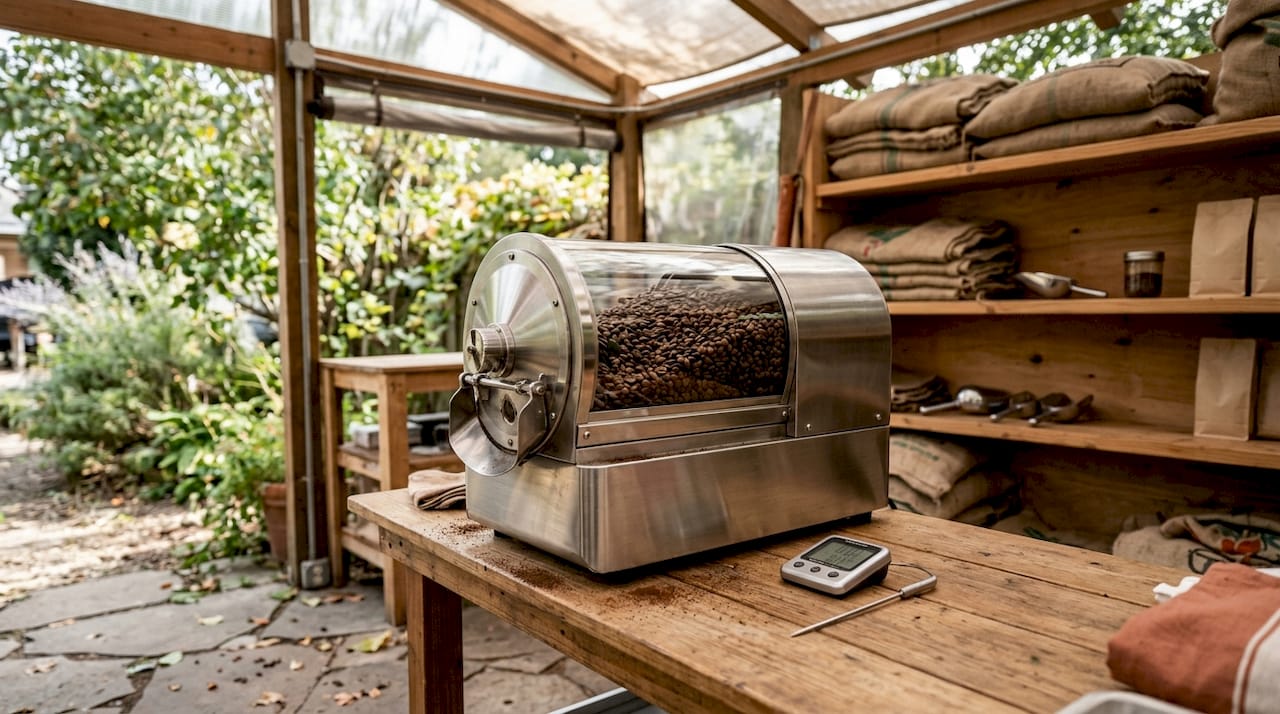
Sustainable coffee roasting practices are defined as methods that reduce environmental harm across the full production cycle, from sourcing green beans to delivering the finished roast. The coffee industry faces real pressure to cut emissions, reduce waste, and verify that farmers receive fair compensation. Electric and hydrogen-powered roasters now achieve measurable CO2 reductions, while direct trade relationships replace vague certification labels with verified farmer impact. Moustachecoffeeclub builds its entire model around these principles, roasting single-origin beans to order and publishing transparent sourcing details for every origin it carries.
1. What are sustainable coffee roasting practices?
Eco-friendly coffee roasting is the industry’s preferred term for reducing the environmental and social footprint of the roasting process. It covers three interconnected areas: energy use during roasting, how green beans are sourced, and what happens to byproducts and packaging after the roast. A roaster can have the cleanest electric equipment in the world and still undermine sustainability through opaque sourcing or single-use plastic bags. All three areas must work together for a roasting operation to make a credible claim.
The specialty coffee sector has moved beyond treating sustainability as a marketing badge. Verified impact, meaning measurable data on emissions, farmer income, and waste diversion, is now the standard that serious roasters are held to.
2. Electric roasting systems cut emissions dramatically
Switching to ventless electric roasting reduces CO2 emissions by up to 87% compared to gas-fired equipment. That figure represents one of the largest single-step reductions any roastery can make. Electric systems eliminate direct combustion entirely and use internal catalytic afterburners to process smoke without a gas flame.
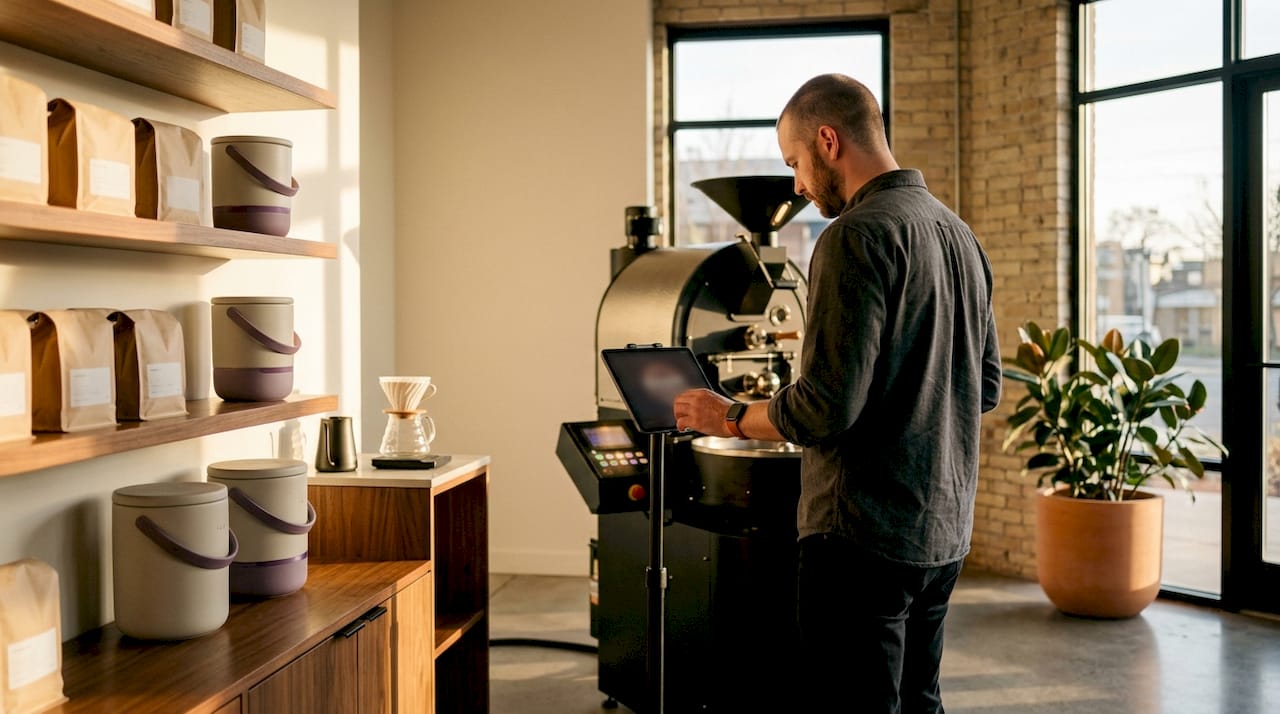
Advanced electric roasters provide precise, instant temperature control that matches gas roasters in responsiveness. That precision matters for specialty coffee, where a 5°C deviation during first crack can flatten the flavor profile of a delicate Ethiopian natural. Digital heat input integrates with profile management software, which also reduces batch waste by catching errors before they ruin a roast.
Transitioning from gas to electric also reduces maintenance by preventing soot buildup and chimney fire risks. Roasters spend less time on cleaning protocols and more time on quality control. Easier installation and improved safety make electric systems practical for urban roasteries operating in commercial buildings with strict ventilation rules.
Key features that improve electric roasting efficiency:
- Insulation upgrades that retain drum heat between batches
- Heat recovery systems that redirect exhaust energy back into the roast cycle
- Batch size optimization to avoid running large drums at partial capacity
- Automated profile logging that flags energy spikes and inefficiencies
Pro Tip: If you are evaluating a roaster’s sustainability claims, ask specifically whether they use electric or gas equipment. A roaster that cannot answer that question directly is unlikely to have reliable data on any other environmental metric.
3. Hydrogen-powered roasting achieves zero emissions
Hydrogen-powered coffee roasting achieves zero CO2 emissions per roast and can save up to 300 tonnes of CO2 annually at commercial scale. That is not a theoretical projection. A 12 kg hydrogen roaster processes batches at 200°C in 20 minutes with roast quality that matches conventional methods. Green hydrogen, produced from renewable electricity, makes this possible without any combustion byproduct.
Hydrogen roasting is currently in the pilot phase at select facilities in Europe, but the technology is proven. It represents the clearest path to carbon-neutral roasting in urban settings where renewable electricity is available. For consumers who want to support the most forward-looking green coffee roasting methods, asking whether a roaster is piloting or planning hydrogen infrastructure is a fair question.
4. Ethical sourcing goes beyond certifications
Certified sustainability standards focus on farmer compensation, environmental protection, and labor conditions, but they may not capture the full picture of impact. A certification is a snapshot. It tells you a farm met a standard at the time of audit. It does not tell you whether the farmer received a price that covered their actual cost of production last harvest.
The Specialty Coffee Association emphasizes verified impact over static certifications as the more meaningful measure of ethical coffee sourcing. Verified impact includes satellite monitoring of farm land use, QR-coded supply chains that trace a bag back to a specific lot, and transparent pricing that shows the farmer’s share of the final retail price.
“Direct trade practices with transparent pricing and long-term commitments provide deeper sustainability assurances than certification labels alone. The goal is an ongoing relationship, not a one-time audit.”
Direct trade relationships that include multi-year price commitments give farmers the financial stability to invest in soil health and processing equipment. That investment shows up in the cup. Moustachecoffeeclub publishes origin reports for every coffee it carries, naming the farm, the region, and the sourcing relationship behind each bag. That level of detail is what verified ethical sourcing actually looks like in practice.
5. Waste management completes the sustainability cycle
A roastery that runs on clean electricity but sends all its chaff and packaging to landfill has not solved its waste problem. Coffee chaff accounts for about 1% of green coffee weight and can be repurposed as compost, mulch, kindling, or animal bedding. That 1% adds up fast at commercial volumes. Effective chaff collection systems make composting workflows practical rather than aspirational.
Packaging is the other major waste variable. Compostable bags and recyclable materials offer real environmental benefits, but they carry trade-offs in cost and shelf life. Compostable bags typically provide less oxygen barrier protection than foil-lined alternatives, which means roasters using them need to ship faster and encourage customers to use beans within a shorter window.
The most practical waste reduction steps for a roastery:
- Install a dedicated chaff collection bin and partner with a local composting facility
- Switch to packaging with the highest recyclable or compostable content that still protects freshness
- Reduce secondary packaging by eliminating unnecessary inner wrapping and box filler
- Monitor water use during equipment cleaning and set weekly targets
- Track energy consumption per batch to identify inefficient roast profiles
Pro Tip: Ask your roaster whether they compost their chaff or send it to landfill. It is a small detail that reveals whether sustainability is a practice or just a talking point.
| Waste stream | Repurposing option | Environmental benefit |
|---|---|---|
| Coffee chaff | Compost or mulch | Diverts organic waste, enriches soil |
| Defective green beans | Animal feed or compost | Reduces food waste |
| Packaging materials | Recyclable or compostable bags | Cuts landfill contribution |
| Roasting heat exhaust | Heat recovery systems | Reduces total energy draw |
6. Sustainable roasting preserves and enhances coffee quality
Precision roasting with automated profiles preserves the unique characteristics of each bean origin. A light roast on an Ethiopian Yirgacheffe requires a different temperature curve than a Colombian washed process. Electric roasters with digital controls hold those curves consistently across every batch, which reduces the flavor variation that frustrates specialty coffee drinkers.
Careful sourcing produces better raw material. Beans grown on farms with healthy soil, proper shade cover, and careful cherry selection arrive at the roastery with more complex sugars and acids. Those compounds translate directly into the floral, fruit-forward flavors that define high-quality specialty coffee. Sustainability and quality are not competing priorities. They reinforce each other.
Roasting to order eliminates the freshness problem that plagues pre-roasted inventory. Beans roasted and shipped within days of the order arrive at peak flavor, with CO2 still degassing from the bag. That freshness also reduces waste because there is no aging stock to discard. Moustachecoffeeclub roasts every order on demand, which means the beans you receive have not been sitting in a warehouse.
Key quality benefits of sustainable roasting:
- Consistent flavor profiles from precise electric temperature control
- Better raw material from farms with strong environmental practices
- Peak freshness from roast-to-order fulfillment
- Reduced batch waste from automated profile logging
7. How to verify a roaster’s sustainability claims
Roasters should avoid greenwashing by communicating specific, measurable sustainability accomplishments and acknowledging ongoing challenges. Effective messaging includes exact CO2 reduction figures, named farm partners, and honest updates about what still needs improvement. Vague phrases like “we care about the planet” with no supporting data are a warning sign.
Verified impact approaches are becoming the preferred sustainability indicator over static certifications in 2026. That shift means consumers have more tools than ever to check claims. QR codes on bags, published sourcing reports, and direct communication from roasters about their supply chain are all signs of a credible operation.
What to look for when evaluating a roaster’s sustainability:
- Specific CO2 reduction data tied to equipment choices
- Named farm partners with published pricing or relationship details
- Evidence of multi-year sourcing commitments, not spot purchasing
- Packaging that specifies compostable or recyclable content by material
- Regular updates on sustainability progress, including honest acknowledgment of gaps
Pro Tip: Check whether a roaster’s sustainability certifications are current and whether they publish the audit results. An expired certification with no renewal is a red flag.
Key takeaways
Sustainable coffee roasting requires verified action across energy, sourcing, and waste, not just a certification label or a single green initiative.
| Point | Details |
|---|---|
| Electric roasting cuts emissions | Ventless electric systems reduce CO2 by up to 87% versus gas-fired roasters. |
| Hydrogen roasting is proven | A 12 kg hydrogen roaster achieves zero CO2 emissions with quality matching conventional methods. |
| Verified impact beats certifications | Satellite monitoring, QR-coded supply chains, and transparent pricing show real farmer benefit. |
| Chaff is a resource, not waste | Coffee chaff can be composted, used as mulch, or repurposed as kindling or animal bedding. |
| Greenwashing is identifiable | Credible roasters publish specific data, name their farm partners, and update their progress regularly. |
Why I think most “sustainable coffee” claims miss the point
The conversation about green coffee roasting methods tends to focus on equipment, and that makes sense because the numbers are dramatic. An 87% CO2 reduction from switching to electric is a real, measurable win. But in my experience, the harder and more important work happens upstream, in the sourcing relationship.
I have seen roasters invest in electric equipment and then buy green beans through commodity brokers with no idea which farm the coffee came from. That is not sustainable. It is a partial fix that looks good on paper. The farms producing the best specialty coffee are also the farms most vulnerable to climate disruption, and they need long-term pricing commitments, not just a fair-trade sticker.
The roasters I trust most are the ones who publish uncomfortable details. They tell you when a harvest was difficult, when a price negotiation was hard, and when their packaging solution is still not perfect. That honesty is the actual signal. Moustachecoffeeclub publishes origin reports that include those details, which is why I point people there when they ask me where to start with eco-friendly coffee subscriptions.
The future of sustainable roasting is not one technology or one certification. It is a practice of continuous, documented improvement across every part of the supply chain.
— Sean
Moustachecoffeeclub: fresh roasted, ethically sourced
Moustachecoffeeclub sources single-origin coffees from Ethiopia, Colombia, and other carefully selected regions, roasting every order to demand in the ultra-light Nordic style that preserves each bean’s natural flavor profile.

Every bag ships with a full origin report covering the farm, the sourcing relationship, and the roast date. The subscription is built for coffee drinkers who want freshness and transparency in the same package. You can read more about the sourcing philosophy on the coffee education hub or go straight to the subscription options to find a plan that fits how you drink coffee. Moustachecoffeeclub also tracks its packaging choices and publishes updates on its sustainability progress, so you always know what you are supporting.
FAQ
What makes coffee roasting sustainable?
Sustainable coffee roasting combines energy-efficient equipment, ethical sourcing with verified farmer impact, and responsible waste management. All three areas must work together for a roasting operation to make a credible claim.
How much do electric roasters reduce CO2 emissions?
Ventless electric roasting systems reduce CO2 emissions by up to 87% compared to gas-fired roasters. They eliminate direct combustion and use internal catalytic afterburners instead.
What is verified impact in ethical coffee sourcing?
Verified impact refers to measurable, ongoing evidence of farmer benefit, including satellite monitoring, QR-coded supply chains, and transparent pricing. The Specialty Coffee Association identifies it as a stronger indicator than static certifications.
What can roasters do with coffee chaff?
Coffee chaff, which makes up about 1% of green coffee weight, can be composted, used as garden mulch, burned as kindling, or repurposed as animal bedding. Proper collection systems make these workflows practical at commercial scale.
How do I spot greenwashing in coffee sustainability claims?
Look for specific, measurable data such as exact CO2 figures and named farm partners rather than vague phrases. Credible roasters acknowledge supply chain imperfections and publish regular updates on their progress.
Recommended
- Eco Friendly Coffee Subscription Checklist for 2026 | Blog | The Moustache Coffee Club
- Why freshly roasted beans taste better: a guide | Blog | The Moustache Coffee Club
- Evaluating Coffee Freshness After Roasting at Home | Blog | The Moustache Coffee Club
- Roast to order coffee: advantages for single-origin lovers | Blog | The Moustache Coffee Club