Coffee Extraction Explained: A Home Brewer’s Science Guide
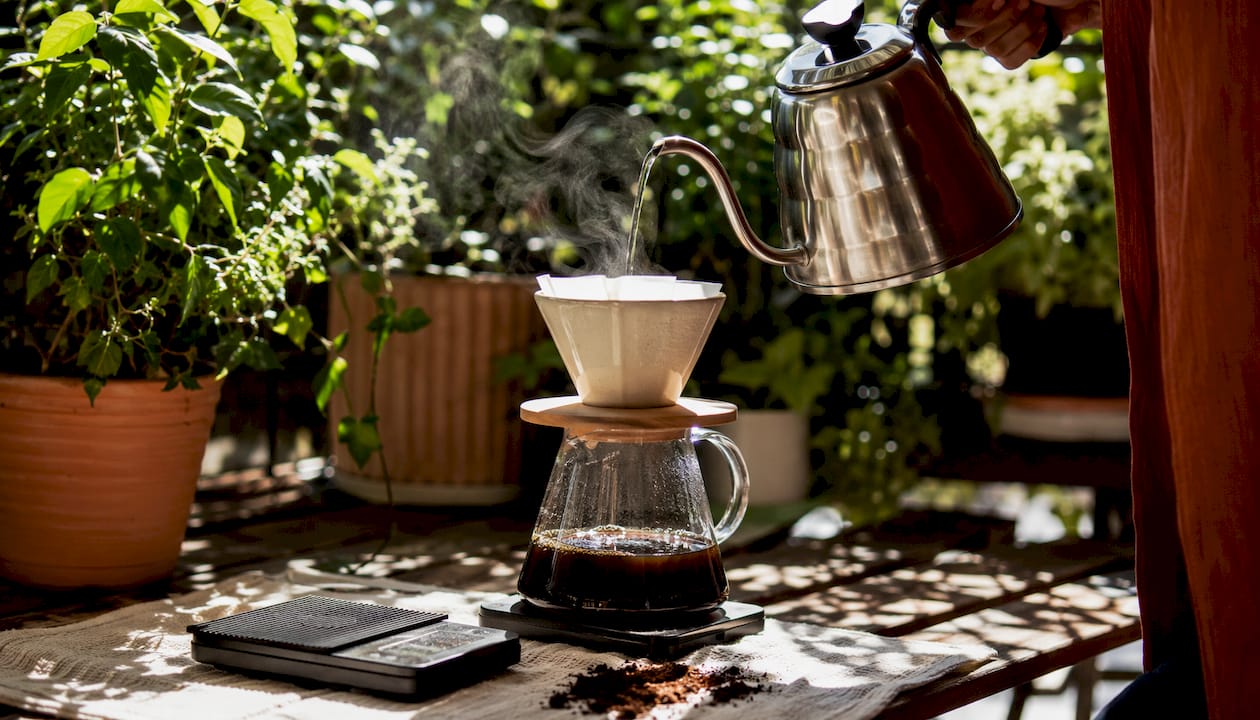
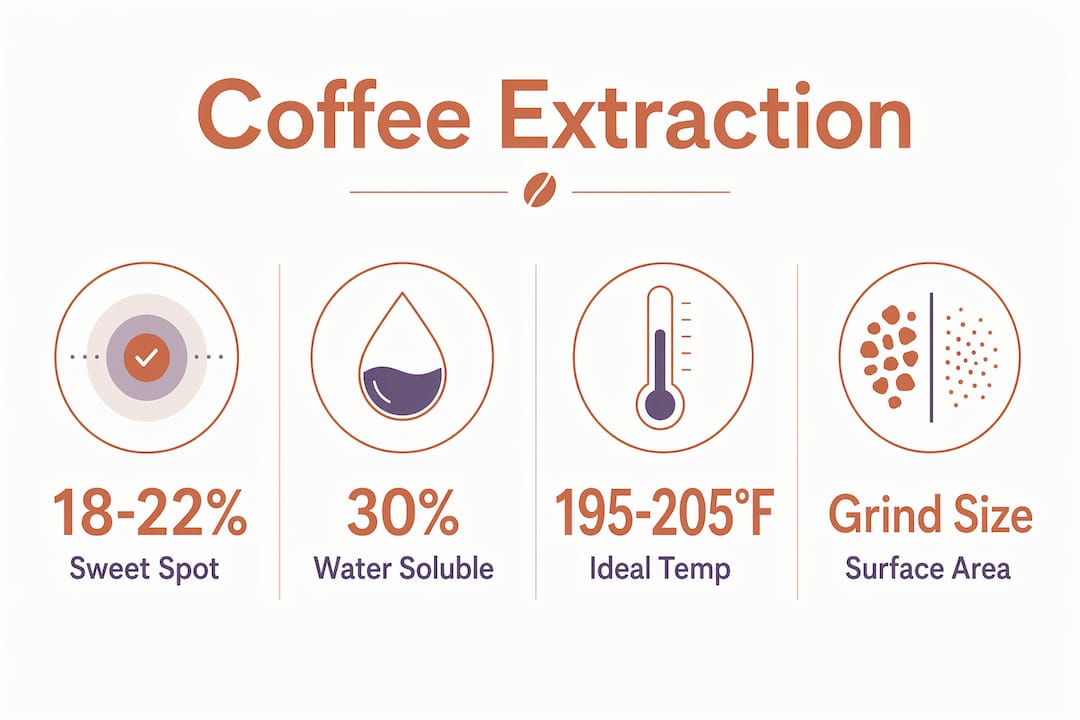
Coffee extraction is the process of dissolving soluble flavor compounds from roasted, ground coffee using water. When you brew a cup, water pulls out acids, sugars, lipids, and bitter compounds from the grounds in a specific sequence, and the balance of those dissolved solids determines whether your coffee tastes bright and complex or flat and harsh. The ideal extraction yield sits between 18% and 22% of the coffee’s dry mass, a range where acids, sweetness, and bitterness coexist without any one flavor dominating.
Here is what extraction actually involves:
- Soluble compounds dissolved: acids, sugars, lipids, caffeine, melanoidins, and bitter compounds
- Extraction yield: the percentage of the coffee’s mass that dissolves into the water
- Strength: how concentrated those dissolved solids are in your final cup
- Goal: selective extraction of the right compounds in the right proportions, not maximum extraction
What is coffee extraction explained through chemistry?
Only about 30% of a roasted coffee bean is actually water-soluble. The rest is cellulose and other insoluble plant material that stays in the grounds no matter how long you brew. That 30% is what you are working with, and the job of brewing is to pull the right fraction of it into your cup.
Extraction follows a predictable sequence. Acids and fats dissolve first, which is why a very short brew tastes sharp and sour. Sugars come next, adding sweetness and body. Bitter compounds, including certain melanoidins and chlorogenic acid degradation products, dissolve last. Stop extraction at the right moment and you get balance; push past it and bitterness takes over.
Key soluble compounds and their flavor contributions:
- Organic acids (citric, malic, acetic): brightness, fruitiness, perceived sweetness
- Sugars and caramelized compounds: body, sweetness, mouthfeel
- Caffeine: mild bitterness, stimulant effect
- Melanoidins: roasty depth, color, some bitterness
- Lipids and oils: texture, aroma, mouthfeel richness
- Chlorogenic acid byproducts: harsh bitterness when over-extracted
The Specialty Coffee Association identifies the 18–22% yield range as the sweet spot where acids, sugars, and bitterness reach their best balance. Below that window, the cup is sour and thin because the sugars and bitter compounds never had a chance to dissolve. Above it, bitterness dominates because those heavier compounds have fully leached out while the acids and sugars are largely spent.
What factors control how your coffee extracts?
Four variables govern extraction speed and depth. Adjust any one of them and the flavor shifts.
- Grind size: finer grinds expose more surface area, speeding extraction; coarser grinds slow it
- Water temperature: higher temps dissolve compounds faster and more completely
- Brew time: longer contact means more solubles pulled from the grounds
- Coffee-to-water ratio: affects strength but also influences how efficiently extraction occurs
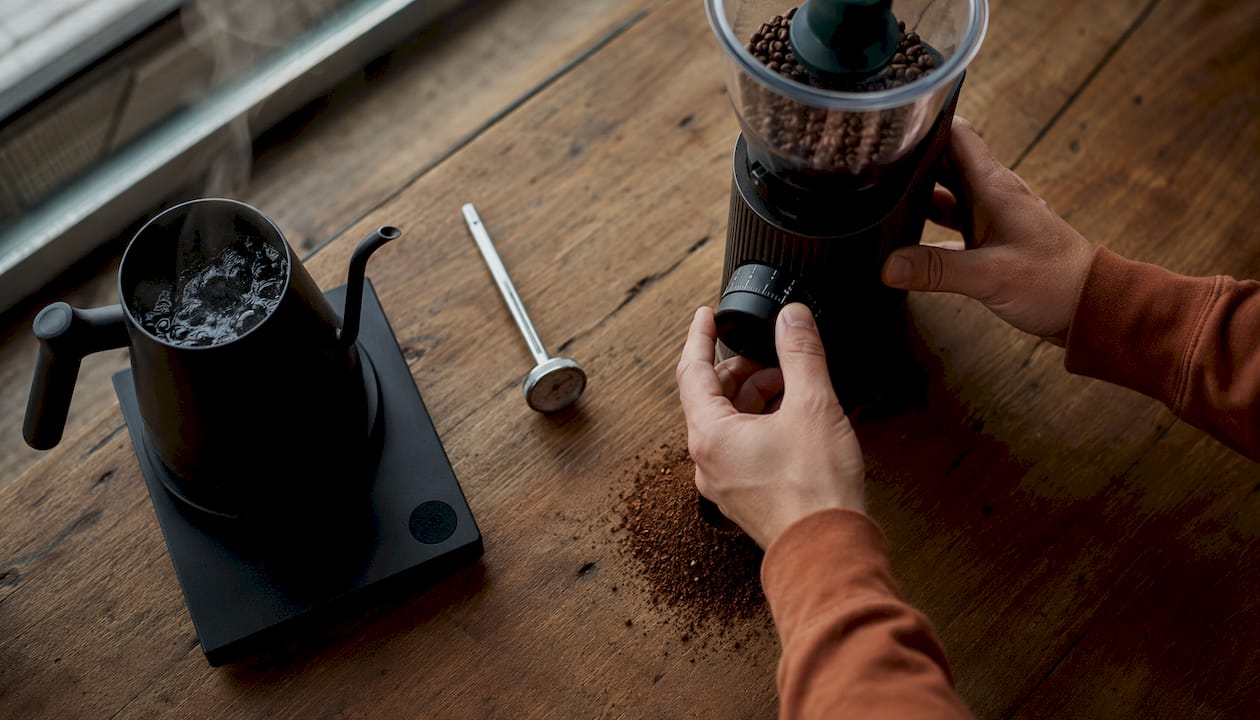
Grind size is the most immediate lever most home brewers have. A finer grind increases surface area dramatically, which accelerates extraction. A coarser grind does the opposite, which is exactly why cold brew uses coarse grounds and compensates with a very long steep time.
Water temperature has a direct effect on solubility. The widely recommended brewing range is 195–205°F (91–96°C), which facilitates full extraction of desired compounds without scorching the grounds. Water below that range tends to under-extract, leaving sugars and bitter compounds partially undissolved and producing a flat, sour cup. Brew time varies considerably by method: French press typically brews for 2–5 minutes, while espresso extracts in 20–30 seconds under high pressure.
Water quality matters too, though it gets less attention than grind or temperature. Minerals in water, particularly magnesium and calcium, act as carriers that help pull flavor compounds out of the grounds. Distilled water actually extracts poorly because it lacks those mineral carriers. Most home brewers do fine with filtered tap water that retains some mineral content.
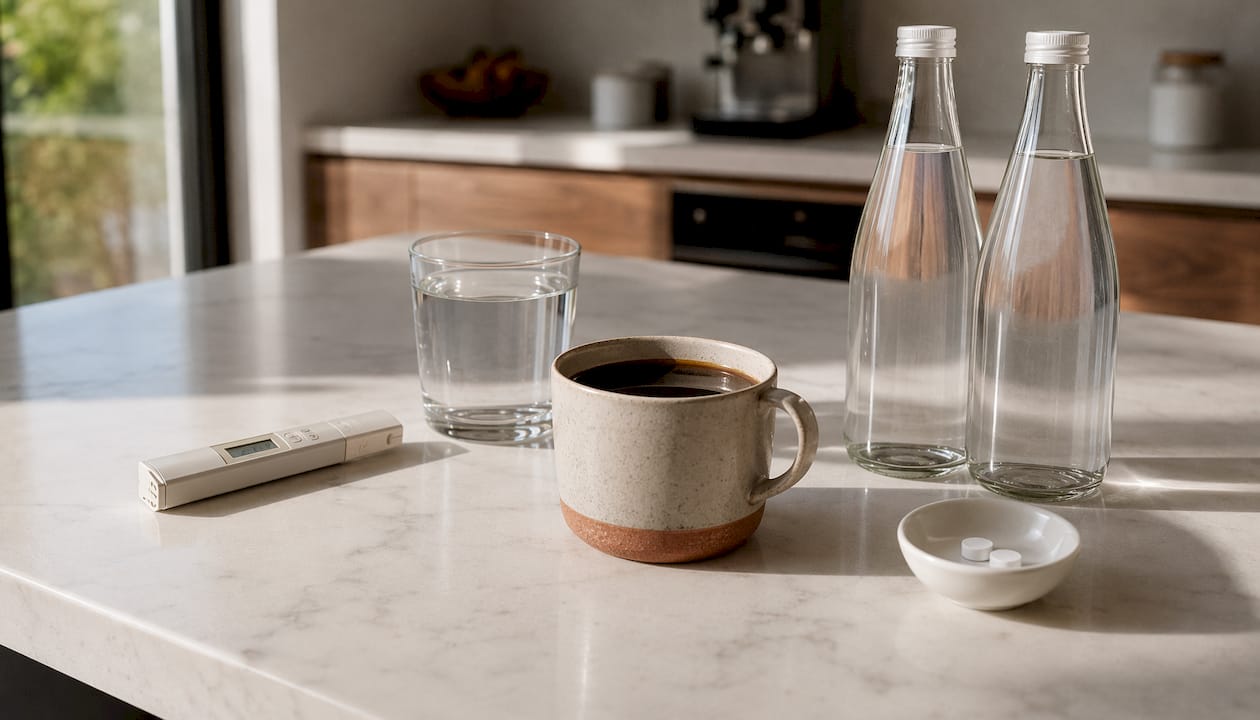
Pro Tip: Preheat your brewing vessel before you start. Research on heat loss during brewing shows that cold equipment drops the slurry temperature quickly, which destabilizes extraction and produces inconsistent results. A quick rinse with hot water takes ten seconds and makes a real difference.
Extraction yield versus strength: why both matter
These two concepts get conflated constantly, and mixing them up leads to bad troubleshooting decisions.
Extraction yield is the percentage of the coffee’s dry mass that dissolved into the water. A 20% yield means one-fifth of the grounds’ mass ended up in your cup as dissolved solids. Strength is how concentrated those dissolved solids are in the final beverage, measured as Total Dissolved Solids (TDS). You can have high yield and low strength (a long, dilute brew) or low yield and high strength (a short, concentrated one).
- Under 18% yield: sour, sharp, thin, underdeveloped
- 18–22% yield: balanced acids, sweetness, and bitterness
- Over 22% yield: bitter, dry, hollow, astringent aftertaste
The relationship between yield and strength is straightforward: strength scales with both brew ratio and extraction yield. If you want a stronger cup without pushing yield higher, use more coffee grounds relative to water. If you want more flavor complexity without increasing concentration, extend brew time or raise temperature to pull more solubles from the same amount of grounds.
A practical example: brewing 18 grams of coffee into a 36-gram espresso shot at 10% TDS gives you a 20% extraction yield. That math is useful because it shows you can calculate yield from a refractometer reading without guessing.
How to spot and fix under-extracted or over-extracted coffee
Your palate is the most direct diagnostic tool you have. The flavor tells you exactly what went wrong.
Signs of under-extraction:
- Sour, sharp, or vinegary taste
- Weak body and thin mouthfeel
- Flavor fades quickly on the palate
- Astringent or grassy notes
Signs of over-extraction:
- Pronounced bitterness that lingers
- Dry, chalky finish
- Hollow or flat flavor despite dark color
- Unpleasant, almost medicinal aftertaste
The causes map directly to the four extraction variables. Under-extraction usually means the grind is too coarse, water too cool, brew time too short, or some combination. Over-extraction points to the opposite: grind too fine, water too hot, or contact time too long. Inconsistent grind distribution creates both problems simultaneously, with fine particles over-extracting while coarser ones under-extract in the same brew.
Troubleshooting steps:
- Sour cup: grind finer, raise water temperature, or extend brew time by 30 seconds
- Bitter cup: grind coarser, lower water temperature slightly, or shorten brew time
- Flat and thin: check your coffee-to-water ratio; you may simply be using too little coffee
- Inconsistent results: evaluate your grinder; cheap burr grinders and blade grinders produce uneven particle sizes that make consistent extraction nearly impossible
Pro Tip: Change only one variable at a time. If you adjust grind size and temperature simultaneously, you will not know which change fixed the problem, and you will keep chasing the same issue in future brews.
Over- and under-extraction are not always absolute failures. Personal preference plays a real role: a cup that reads as slightly over-extracted to one person can taste pleasantly bold and rich to another. The 18–22% yield target is a calibrated starting point, not a law.
How roast level and freshness shape what you extract
Roast level changes the physical and chemical structure of the bean, which directly affects how it extracts. Lighter roasts retain more of the bean’s original cellular structure, making them denser and slightly harder to extract. They require finer grinds or higher temperatures to hit the same yield as a medium or dark roast. The payoff is flavor clarity: floral, fruity, and acidic notes that a darker roast would burn away.
Nordic-style roasting, the approach Moustachecoffeeclub uses for its single-origin coffees, sits at the lighter end of the spectrum intentionally. The goal is to preserve the origin character of each bean rather than layer on roast-driven flavors. That means the roasting process is calibrated to develop enough solubility for clean extraction while keeping the bean’s natural acids and sugars intact. Espresso and cold brew methods, for instance, show notably high levels of volatile aromatic compounds and antioxidant activity compared to other extraction methods, which speaks to how much method and roast interact.
Freshness is the other variable that rarely gets enough credit. Coffee degasses CO₂ for days after roasting, and that gas affects how water interacts with the grounds. Stale coffee has already lost most of its CO₂, which means water saturates the grounds unevenly and extraction becomes less predictable. Roast-to-order coffee, where beans ship within days of roasting, gives you a consistent starting point every time.
What Moustachecoffeeclub offers that connects directly to extraction quality:
- Roast-to-order freshness: beans ship shortly after roasting, preserving CO₂ and extraction consistency
- Single-origin transparency: knowing the origin helps you anticipate flavor profile and dial in extraction accordingly
- Nordic-style light roasts: require slightly finer grind or longer contact time than darker roasts, but reward you with clarity and complexity
- Brewing guides and education resources: practical tools for understanding extraction across different methods
- Ethical sourcing: traceability from farm to cup means fewer processing variables that could destabilize flavor
If you want to put all of this into practice with coffee that is actually built for it, Moustachecoffeeclub’s subscription delivers freshly roasted single-origin beans with the origin notes and brewing guidance you need to extract them well.

Key Takeaways
Coffee extraction quality depends on hitting the 18–22% yield window by controlling grind size, water temperature, brew time, and coffee freshness simultaneously.
| Point | Details |
|---|---|
| Ideal extraction yield | The 18–22% yield range produces balanced acids, sweetness, and bitterness in the cup. |
| Sequential compound release | Acids dissolve first, then sugars, then bitter compounds; timing extraction stops it at the right balance. |
| Four key variables | Grind size, water temperature, brew time, and brew ratio each shift extraction speed and depth. |
| Roast level matters | Light roasts extract more slowly and need finer grinds or higher temps to reach the same yield as darker roasts. |
| Freshness affects consistency | Roast-to-order coffee retains CO₂ that helps water saturate grounds evenly for more predictable extraction. |
FAQ
How do you tell if coffee is under- or over-extracted?
Under-extracted coffee tastes sour, sharp, and thin, with a flavor that fades quickly. Over-extracted coffee tastes bitter, dry, and hollow, often with a chalky or medicinal finish.
What is a good extraction time for coffee?
Brew time depends on the method: French press typically takes 2–5 minutes, while espresso extracts in 20–30 seconds under pressure. The right time is whatever hits the 18–22% yield range for your specific grind and temperature.
Can you drink under-extracted espresso?
Yes, under-extracted espresso is safe to drink, just unpleasant. It will taste sour and lack sweetness or body. Grind finer or extend the shot time slightly to bring it into balance.
Is coffee extract the same as drinking brewed coffee?
No. Coffee extract is a concentrated liquid made by steeping coffee in water or alcohol at high ratios, used primarily as a flavoring ingredient. Brewed coffee is a dilute beverage meant for direct consumption, with a much lower concentration of dissolved solids.
Does water quality affect extraction?
Yes. Water with some mineral content, particularly magnesium and calcium, extracts flavor compounds more efficiently than distilled or very soft water. Filtered tap water that retains natural minerals is generally the best choice for home brewing.
Recommended
- Coffee Education Hub | Ultra-Light Nordic-Style Brewing Guides & Origins | Moustache Coffee Club
- How Brewing Method Affects Specialty Coffee Flavor | Blog | The Moustache Coffee Club
- Why Cold Brew Uses Coarse Grind: Home Brewer’s Guide | Blog | The Moustache Coffee Club
- How to Dial In Light Roast Coffee for Home Baristas | Blog | The Moustache Coffee Club