Why Coffee Has Fruity Tasting Notes Explained
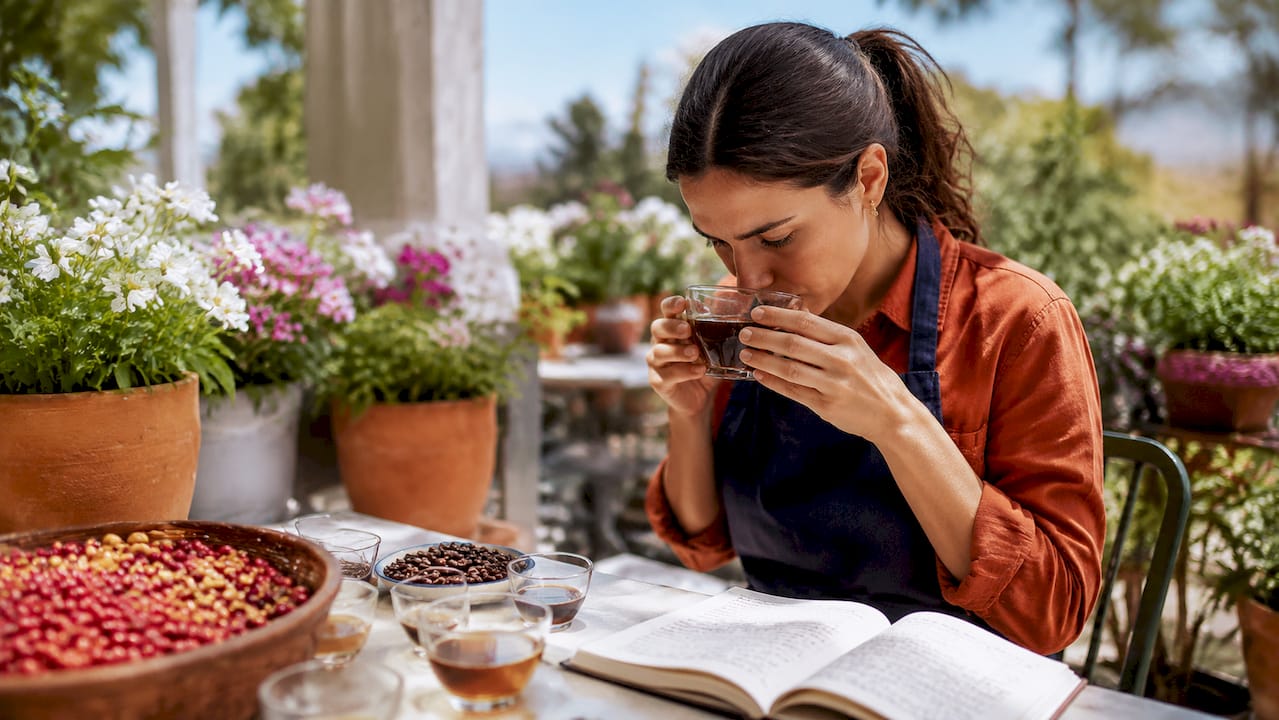
Fruity tasting notes in coffee are natural chemical expressions produced by over 800 volatile aromatic compounds formed during microbial fermentation, lipid oxidation, and roasting. These flavors are not added artificially. They emerge from the bean’s genetics, how it was processed after harvest, and how it was roasted. Understanding why coffee has fruity tasting notes changes how you shop, brew, and taste. The three primary drivers are fermentation chemistry, roast temperature, and origin terroir, and each one shapes your cup in measurable, predictable ways.
Why does coffee have fruity tasting notes?
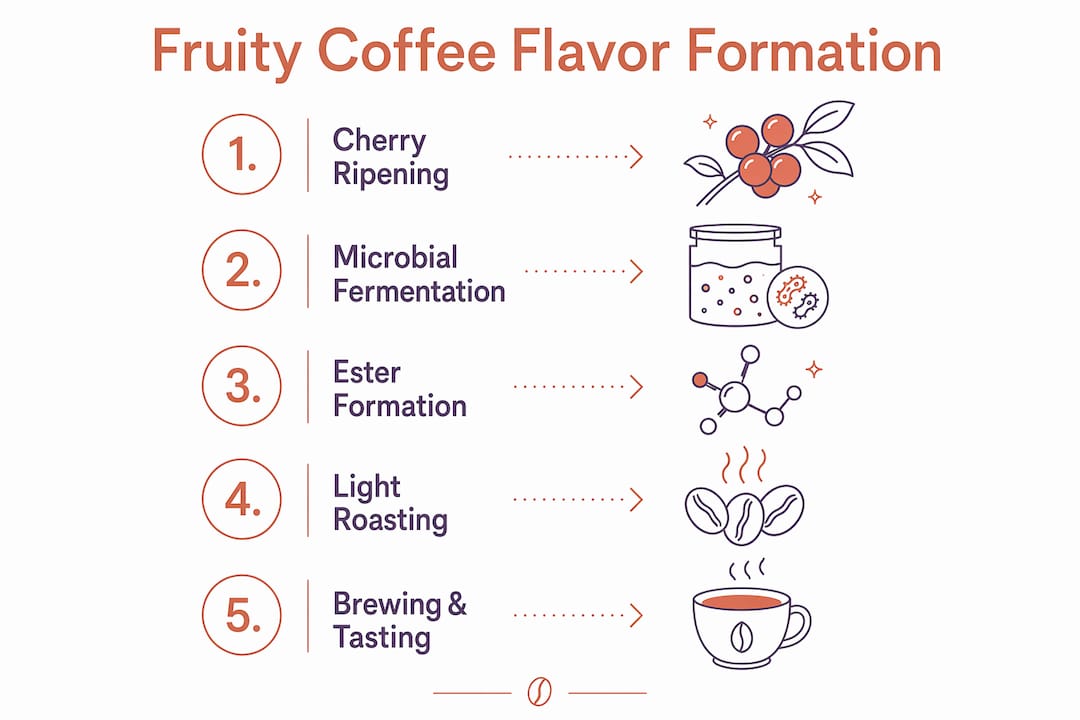
Fruity notes in coffee come from a specific class of aromatic molecules called esters, norisoprenoids, and volatile acids. These compounds form through three distinct pathways: microbial fermentation during processing, oxidation of lipids in the green bean, and thermal degradation of pigments during roasting.
The Specialty Coffee Association Sensory Lexicon, developed with World Coffee Research, standardizes 110 flavor attributes for coffee. This framework confirms that fruity descriptors correlate with precise physical references, not subjective impressions. When a roaster writes “blueberry” or “mango” on a bag, they are pointing to specific chemical compounds your palate detects.
Fruity notes are not a sign of flavoring or additives. They reflect the natural biochemistry of the coffee cherry and the decisions made at every stage from farm to roaster. Fruity notes arise naturally from enzymatic and non-enzymatic transformations, not synthetic oils or flavor injections.
Pro Tip: If a bag lists fruity tasting notes and the ingredient list says only “coffee,” those flavors are 100% natural. Specialty coffee uses no added flavoring.
How does microbial fermentation create fruity flavors?
Fermentation is the single most powerful lever for building fruity intensity in coffee. During natural and honey processing, the coffee cherry’s fruit flesh remains on the bean while it dries. That contact creates ideal conditions for yeast and bacteria to metabolize the sugars in the mucilage.
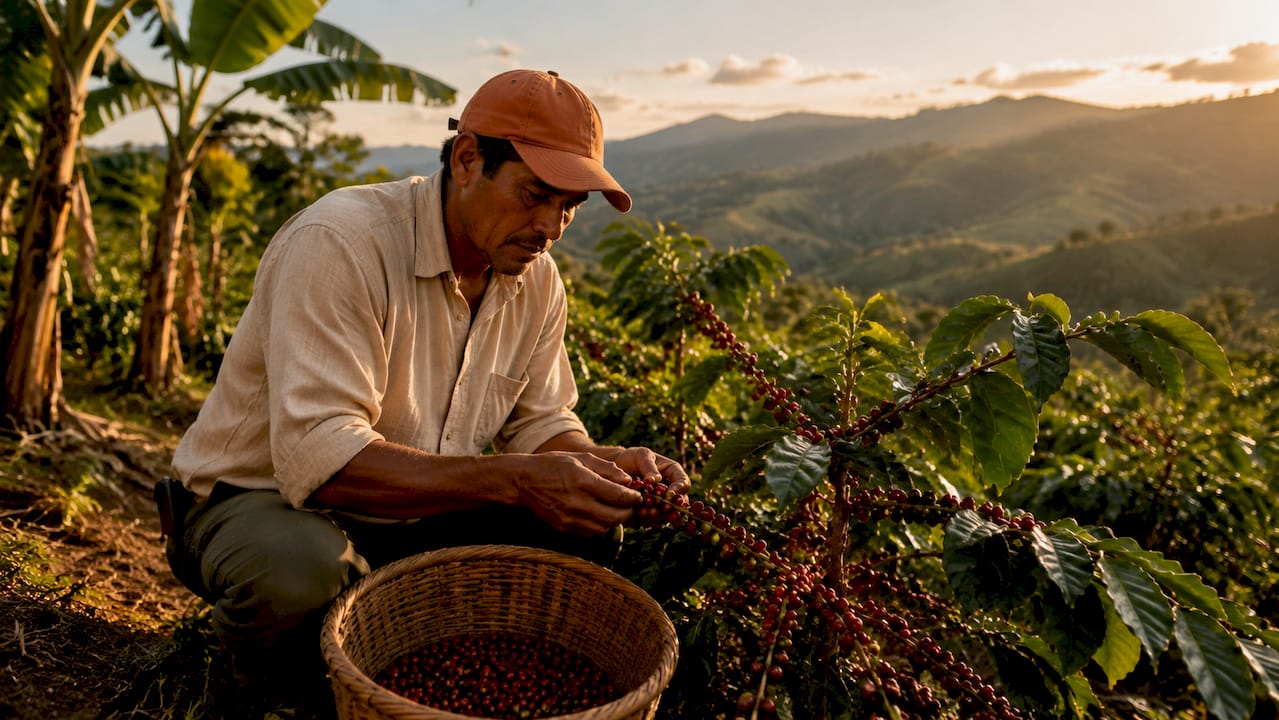
Yeasts convert those sugars into fruity esters like isoamyl acetate (banana) and ethyl butyrate (pineapple). These compounds are chemically identical to the esters found in actual fruit. Your brain recognizes them as fruit because they are the same molecules.
The balance between these esters and acetic acid determines quality. High acetic acid signals overfermentation and can mask the desirable fruity aromas entirely. Producers who monitor fermentation carefully keep ester dominance high and acetic acid low, which is the chemical signature of a well-processed, fruit-forward coffee.
Experimental methods push this even further. Carbonic maceration, borrowed from winemaking, seals coffee in CO2 environments to control fermentation precisely. This process can boost ester diversity by 300–400% compared to traditional washed methods. The result is a cup with layered, candy-like fruit complexity that traditional processing cannot replicate.
- Natural processing: Whole cherry dries intact; maximum sugar contact; produces bold, jammy fruit notes like dried strawberry and blueberry
- Honey processing: Partial mucilage left on bean; moderate ester formation; yields stone fruit and tropical notes
- Carbonic maceration: CO2-controlled fermentation; highest ester diversity; produces intense, wine-like or tropical fruit complexity
- Washed processing: Fruit removed before drying; minimal ester formation; cleaner cup with subtle, bright fruit acidity
The science of fermentation follows the same microbial logic in wine production. Yeast strain, temperature, and duration all shape which esters dominate the final flavor profile.
How does roast level preserve or destroy fruity notes?
Roast temperature is the final gatekeeper for fruity compounds. Every volatile molecule built during fermentation and processing can be preserved or destroyed depending on how hot the roast goes.
- Light roast (below 205°C): Preserves beta-damascenone, pyrazines, and norisoprenoids responsible for fruity and floral notes. The bean retains a multi-family volatile profile with fruit, floral, and nutty compounds coexisting.
- Medium roast (205–220°C): Begins degrading the most heat-sensitive fruity volatiles. Some fruit character survives, but floral notes diminish first.
- Dark roast (above 220°C): Destroys fruity volatile compounds and increases phenolic compounds that produce smoky, roasty, and bitter flavors. The fruity esters built during fermentation are gone.
Beta-damascenone deserves special attention. It forms through thermal degradation of carotenoids during roasting and delivers fruity and honey notes at sub-parts-per-billion concentrations. That means a trace amount has an outsized effect on your perception of fruitiness. High-altitude Arabica beans carry more carotenoid precursors, which is why they produce more beta-damascenone when roasted light.
Light roasts maintain higher pyrazine and norisoprenoid diversity, while dark roasts shift the entire aromatic profile toward smoky and caramel compounds. This is not a matter of preference. It is chemistry. If you want fruity notes, light roast is the only path.
Pro Tip: When buying for fruity flavor, look for roast dates within two weeks. Fruity volatile compounds degrade with oxidation after roasting, so freshness matters as much as roast level.
Does coffee origin affect fruity flavor profiles?
Origin is where fruity flavor potential begins. Before fermentation or roasting touches the bean, its genetic makeup and growing environment determine the chemical precursors available for flavor development.
| Origin | Altitude | Known Fruity Notes | Key Flavor Driver |
|---|---|---|---|
| Ethiopia (Yirgacheffe) | 1,800–2,200m | Blueberry, jasmine, lemon | High carotenoid precursors, heirloom varieties |
| Colombia (Huila) | 1,700–2,000m | Red berry, tropical fruit, citrus | Volcanic soil, diverse microclimates |
| Kenya | 1,500–2,100m | Black currant, tomato, bright citrus | SL28/SL34 varieties, phosphorus-rich soil |
| Guatemala (Antigua) | 1,500–1,700m | Stone fruit, apple, mild berry | Volcanic ash soil, consistent dry season |
Ethiopian coffees, particularly from Yirgacheffe and Sidama, are the benchmark for fruity and floral complexity in specialty coffee. High altitude and genetics determine precursors for beta-damascenone formation, which is why these coffees taste intensely fruity even when processed with washed methods.
High-altitude growing slows cherry maturation. Slower maturation means more time for the cherry to accumulate sugars and carotenoids. Those compounds become the raw material for fruity aroma formation during roasting. A coffee grown at 2,000 meters starts with a richer biochemical toolkit than one grown at 1,000 meters.
Soil composition adds another layer. Kenya’s phosphorus-rich volcanic soils contribute to the distinctive black currant and tomato notes in SL28 and SL34 varieties. Colombia’s diverse microclimates across Huila, Nariño, and Antioquia produce different fruit expressions from the same Caturra or Castillo varieties. Origin is not just geography. It is the starting chemistry of every cup.
Processing methods compared: which produces the fruitiest coffee?
The processing method a producer chooses directly determines how much ester formation occurs before the bean reaches the roaster. Here is how the four main methods compare on fruity flavor output.
| Processing Method | Fruit Contact | Ester Formation | Typical Fruity Intensity | Flavor Character |
|---|---|---|---|---|
| Washed | None | Low | Subtle | Bright citrus, clean berry acidity |
| Honey | Partial | Moderate | Medium | Stone fruit, peach, mild tropical |
| Natural | Full | High | Bold | Blueberry, strawberry jam, dried fruit |
| Carbonic Maceration | Controlled | Very High | Intense | Tropical, wine-like, layered complexity |
Washed coffees are not flavorless. They deliver cleaner, brighter fruit acidity because the fermentation is shorter and more controlled. The fruit character reads as citrus or green apple rather than berry or tropical fruit. Understanding how a coffee cherry is processed explains why the same Ethiopian bean can taste like lemon verbena when washed and like blueberry cobbler when processed naturally.
Natural processing produces the most intense fruity notes because the bean absorbs flavor compounds directly from the drying fruit flesh over weeks. The risk is inconsistency. If fermentation runs too long or temperatures spike, acetic acid dominates and the cup turns vinegary. Skilled producers manage this carefully.
Carbonic maceration is the newest frontier. Producers seal freshly picked cherries in CO2-pressurized tanks, which forces fermentation to occur inside the cherry itself. The result is a concentrated, complex ester profile that produces flavors like passion fruit, lychee, and red wine in a single cup. Your brewing method also shapes how these flavors express in the final cup, so method and extraction work together.
Key takeaways
Fruity coffee flavors are the direct result of esters formed during fermentation, preserved by light roasting, and amplified by high-altitude origin genetics.
| Point | Details |
|---|---|
| Fermentation builds fruity esters | Yeasts produce isoamyl acetate and ethyl butyrate during natural and honey processing. |
| Light roast preserves fruitiness | Roasting above 220°C destroys beta-damascenone and other fruity volatile compounds. |
| Origin sets flavor potential | High-altitude Ethiopian and Colombian beans carry more carotenoid precursors for fruity aroma. |
| Processing method controls intensity | Natural and carbonic maceration processing produce the boldest, most complex fruity profiles. |
| Freshness protects volatile compounds | Fruity aromatics degrade after roasting, so beans within two weeks of roast date taste most vibrant. |
What i’ve learned about chasing fruity notes in coffee
Most people assume fruity coffee means flavored coffee. That assumption costs them years of genuinely interesting cups. Once you understand that blueberry in an Ethiopian Yirgacheffe is the same ester compound as blueberry in actual fruit, the whole category opens up differently.
I’ve found that the most rewarding fruity coffees are not always the most intense ones. A naturally processed Ethiopian can hit you with blueberry so loud it feels like a novelty. A well-made washed Kenyan SL28 delivers black currant and citrus in a way that’s more precise and, honestly, more satisfying to drink over time. Complexity and balance matter more than raw intensity, and that insight from the science of coffee fermentation holds up every time I cup.
The practical takeaway is this: start with origin, then choose processing, then verify roast level. A light-roasted, naturally processed Ethiopian is the fastest path to understanding what fruity coffee can be. From there, try a washed Colombian at the same roast level and notice how the fruit character shifts from bold and jammy to bright and clean. That comparison teaches you more than any tasting guide. If you want to go deeper on selecting quality fruit-forward coffees, the guide to buying specialty coffee covers what to look for on the bag and beyond.
— Sean
Discover fruit-forward coffees through Moustachecoffeeclub

Moustachecoffeeclub sources ultra-light, Nordic-style single-origin coffees from Ethiopia, Colombia, Kenya, and beyond, roasted specifically to preserve the fruity volatile compounds that dark roasting destroys. Every bag ships roasted to order, which means the beta-damascenone and esters you just read about are still at peak concentration when the beans reach your door. The coffee subscription includes origin reports and tasting notes that connect the science directly to what’s in your cup. If you want to taste the difference that light roasting and careful processing make, this is the most direct way to do it.
FAQ
What makes coffee taste fruity without added flavoring?
Fruity flavors in coffee come from esters and volatile compounds formed naturally during fermentation and roasting. These molecules are chemically identical to the compounds found in actual fruits like banana, pineapple, and blueberry.
Which coffee processing method produces the most fruity flavor?
Natural processing and carbonic maceration produce the most intense fruity notes. Carbonic maceration can increase ester diversity by 300–400% compared to washed processing, creating complex tropical and berry-forward profiles.
Why do light roasts taste fruitier than dark roasts?
Light roasts preserve heat-sensitive volatile compounds like beta-damascenone and pyrazines that carry fruity and floral notes. Dark roasting above 220°C degrades these compounds and replaces them with smoky phenolic flavors.
Does coffee origin affect how fruity it tastes?
Yes. High-altitude origins like Ethiopia and Kenya produce beans with higher carotenoid precursor levels, which convert to fruity aromatic compounds during roasting. Genetics and soil composition also shape which specific fruit notes develop.
Are fruity coffee tasting notes standardized?
The Specialty Coffee Association Sensory Lexicon, developed with World Coffee Research, standardizes 110 flavor attributes including fruity descriptors. Each descriptor correlates with a physical reference sample, making flavor communication consistent across the industry.
Recommended
- How a Coffee Cherry Becomes a Roasted Bean | Blog | The Moustache Coffee Club
- How Brewing Method Affects Specialty Coffee Flavor | Blog | The Moustache Coffee Club
- How to buy specialty coffee: expert tips for flavor and quality | Blog | The Moustache Coffee Club
- How Single Origin Differs from Blends: A Coffee Guide | Blog | The Moustache Coffee Club