How a Coffee Cherry Becomes a Roasted Bean
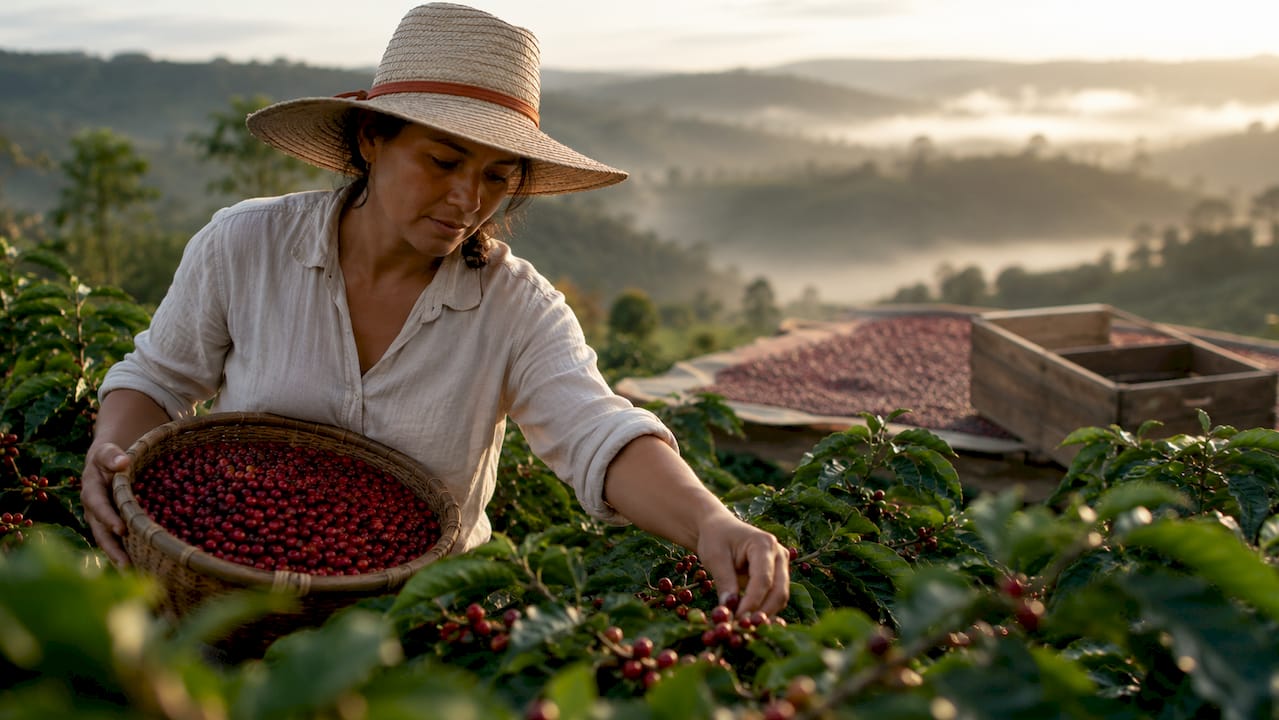
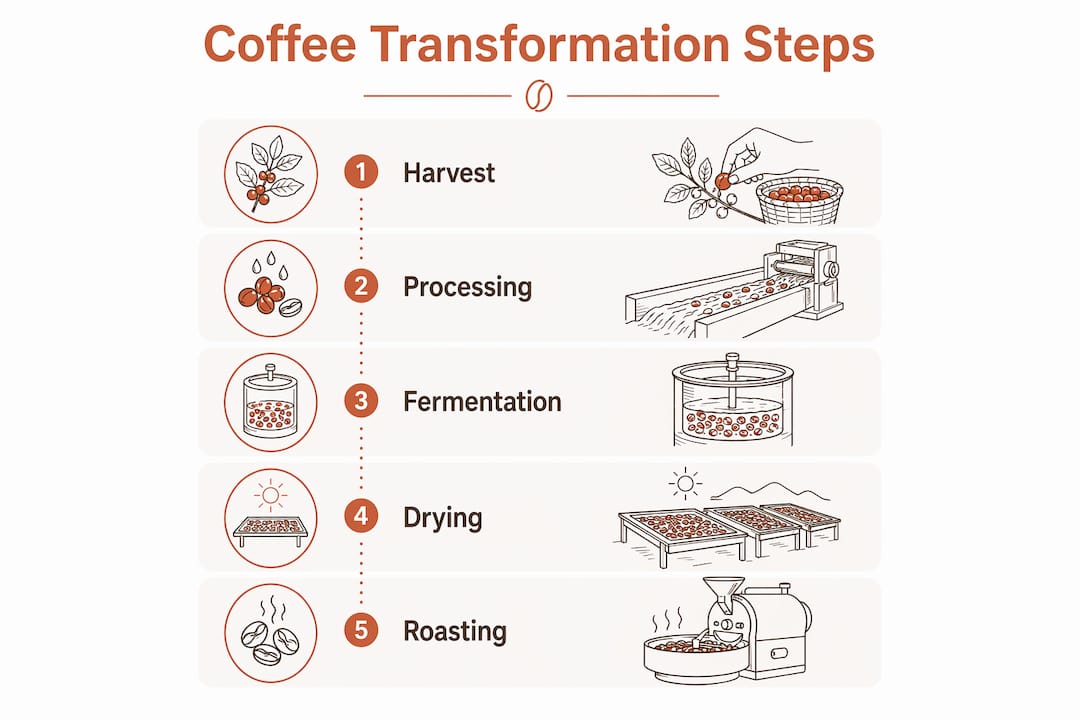
Coffee beans are the seeds of coffee cherries, and the process of how a coffee cherry becomes a roasted bean involves three distinct stages: fruit removal, fermentation and drying, and roasting. Each stage is a controlled transformation that directly shapes what ends up in your cup. Skip a step, rush the timing, or misjudge a temperature, and the flavor suffers. Understanding this sequence gives you a sharper lens for evaluating every bag of coffee you buy.
How coffee cherry processing turns fruit into green beans
Coffee “beans” are seeds inside coffee cherries; the outer fruit layers must be removed before roasting can begin. That removal process, known as coffee cherry processing, is one of the most decisive factors in shaping the final flavor of any coffee. Producers in Ethiopia, Colombia, and Costa Rica each apply different methods depending on their climate, water access, and flavor goals.
Three primary processing methods define the industry:
- Washed (wet) process: Cherries are depulped mechanically, then the beans ferment in water for 12 to 72 hours to break down the sticky mucilage layer. After fermentation, beans are washed clean and dried. The result is a bright, clean cup with high clarity and pronounced acidity.
- Natural (dry) process: Whole cherries are laid out to dry intact for 3 to 5 weeks. The fruit ferments around the seed during this time, infusing the bean with fruity, wine-like sweetness and a fuller body.
- Honey process: The skin is removed but a controlled amount of mucilage remains on the bean during drying. Yellow, Red, and Black Honey designations indicate how much mucilage is left, with more mucilage producing sweeter, heavier cups.
| Processing method | Mucilage removed | Flavor profile |
|---|---|---|
| Washed | Fully removed | Clean, bright, high acidity |
| Natural | None removed | Fruity, full-bodied, wine-like |
| Honey | Partially removed | Balanced sweetness and clarity |
Pro Tip: If you want to taste the clearest expression of a coffee’s origin, start with a washed Ethiopian or Colombian. The clean processing lets terroir speak without fruit fermentation layering over it.
Processing approach is as influential as origin or roasting in shaping what you taste. Two beans from the same farm, processed differently, can taste like they came from different countries.
How fermentation and drying develop flavor in coffee beans
Fermentation is not a flaw or an accident. It is a controlled biochemical event that builds the flavor precursors responsible for complexity in the finished cup. During fermentation, naturally occurring microorganisms including bacteria and wild yeasts break down the mucilage surrounding the bean. This microbial activity produces volatile compounds, organic acids, and sugars that embed themselves into the seed’s cellular structure.
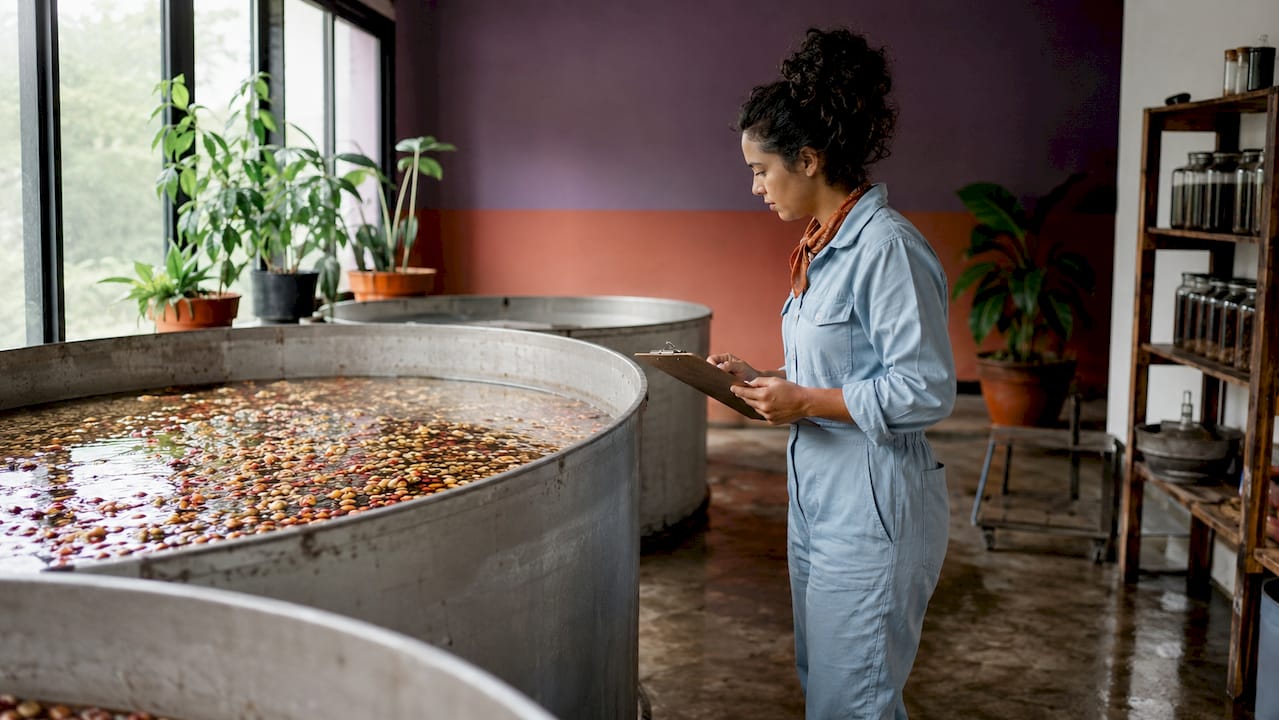
Fermentation timing and control are critical to avoid spoilage and produce desired flavor development. Over-fermented beans develop harsh, vinegary, or rotten notes that no amount of skilled roasting can fix. Under-fermented beans retain mucilage that interferes with drying and produces grassy or astringent flavors. Producers in regions like Yirgacheffe, Ethiopia, and Huila, Colombia, have refined fermentation windows over generations to hit consistent flavor targets.
After fermentation, drying locks in the work. Beans dried too fast on mechanical dryers can crack or develop uneven moisture distribution. Beans dried too slowly on raised African beds in humid conditions risk mold. Different drying rates reorganize the bean’s cellular matrix and affect aroma precursors, meaning the method of drying directly influences what aromas emerge during roasting.
Key variables that producers control during this stage:
- Temperature: Sun drying on raised beds keeps temperatures lower and slower, preserving delicate floral and fruit precursors.
- Airflow: Proper spacing and turning of beans prevents moisture pockets and uneven fermentation.
- Duration: Most washed coffees dry for 10 to 14 days; naturals can take up to 5 weeks depending on humidity.
- Moisture target: Beans must reach approximately 10 to 12 percent moisture content before export to prevent mold in transit.
Pro Tip: When reading a coffee’s origin report, look for notes on fermentation method and drying environment. A washed coffee dried on raised beds in Ethiopia will taste noticeably different from one dried on patios in Guatemala, even at the same roast level.
Post-harvest timing is critical because fresh cherries begin fermenting immediately after picking. Producers who delay processing by even a day risk uncontrolled fermentation that corrupts the entire batch.
What happens during coffee roasting and how it transforms green beans
Green coffee beans are dense, grassy-smelling, and nearly undrinkable. Roasting is the thermal process that converts them into the aromatic, soluble beans used for brewing. The transformation is chemical, physical, and irreversible.
Here is what happens step by step during a standard roast:
- Drying phase (0 to ~160°C): The bean loses residual moisture. The exterior turns from green to yellow as the bean begins to heat through.
- Maillard reaction phase (~150 to 180°C): Amino acids and reducing sugars react to produce hundreds of aromatic compounds. This is the primary driver of coffee’s complex flavor and aroma, and it is the same reaction responsible for browning in bread and seared meat.
- First crack (~196 to 205°C): The bean expands rapidly and emits an audible crack as internal steam pressure releases. This marks the beginning of light roast territory. Beans pulled here retain the most origin character.
- Development phase (post-first crack): Roasters control heat and airflow to develop sweetness and body without burning off volatile aromatics.
- Second crack (~224°C): A second, more rapid cracking sound signals the breakdown of the bean’s cellular structure. Roasts taken here or beyond enter medium-dark to dark territory, where roast character dominates over origin flavor.
Roasting typically lasts 8 to 15 minutes, with temperature and crack points serving as the primary markers roasters use to replicate results. Roasting stages tracked by temperature and crack points allow roasters to build consistent, reproducible flavor profiles across batches. This precision is what separates specialty roasters from commodity operations.
Roasting transforms green beans through Maillard reactions and caramelization, creating hundreds of aromatic compounds. A single green bean contains over 1,000 chemical compounds before roasting; that number expands dramatically during the roasting process. The physical bean also changes: it loses 15 to 20 percent of its weight in moisture and CO2, expands in volume, and shifts from dense to porous.
The goal of roasting is not simply to apply heat. Roasting is about transforming just enough to develop flavor while preserving origin character; overroasting masks the crop’s inherent traits. This is why ultra-light and Nordic-style roasters stop the roast shortly after first crack, preserving the floral, fruity, and acidic notes that make single-origin coffees worth seeking out.
How processing and roasting choices shape your cup
The flavor in your cup is the sum of every decision made from cherry to bean. Processing and roasting do not operate independently. They interact, and understanding that interaction is what separates a curious coffee drinker from a genuinely informed one.
| Variable | Light roast result | Dark roast result |
|---|---|---|
| Washed process | Bright, floral, high clarity | Clean bitterness, low fruit |
| Natural process | Intense fruit, berry, wine | Chocolate, heavy body |
| Honey process | Balanced sweetness, mild acidity | Caramel, muted origin notes |
A washed Ethiopian Yirgacheffe roasted light will express jasmine, bergamot, and lemon. The same bean roasted dark loses those aromatics entirely and tastes primarily of roast. A natural Brazilian roasted medium produces chocolate and hazelnut. Roasted light, that same bean delivers blueberry and dark fruit. The steps to roast coffee and the processing method before roasting are both non-negotiable variables in the flavor equation.
Light roasts retain origin nuances because the Maillard reaction is stopped before caramelization dominates. Dark roasts emphasize roast character because prolonged heat breaks down the delicate volatile compounds that carry floral and fruit notes. Neither is objectively better, but for single-origin specialty coffee, light roasting is the only approach that lets the coffee’s provenance speak clearly.
Freshness adds another layer. Roasted beans off-gas CO2 for days after roasting, and peak flavor typically falls between 5 and 21 days post-roast. Buying roast-to-order single-origin coffee guarantees you receive beans at peak flavor, not beans that have been sitting in a warehouse for months.
Key takeaways
The coffee cherry to roasted bean transformation is determined by three sequential stages: processing method, fermentation and drying control, and roasting precision, each of which is irreversible and directly shapes flavor.
| Point | Details |
|---|---|
| Processing method defines flavor foundation | Washed, natural, and honey processes each produce distinct flavor profiles before roasting begins. |
| Fermentation control prevents defects | Timing and microbial management during fermentation determine whether a bean develops complexity or spoilage. |
| Drying affects aroma precursors | Sun drying vs. mechanical drying reorganizes cellular structure and shapes what aromas emerge during roasting. |
| Roasting chemistry is irreversible | Maillard reactions and caramelization between 150°C and 224°C create hundreds of aromatic compounds that define the final cup. |
| Light roasting preserves origin character | Stopping the roast after first crack retains the floral, fruity, and acidic notes unique to each coffee’s origin. |
Why the cherry-to-bean journey deserves more attention than it gets
Most coffee conversations start at the roaster and stop there. I think that is a mistake, and one that costs coffee drinkers a lot of flavor clarity.
After spending years tasting coffees from Ethiopia, Colombia, Kenya, and Guatemala at different processing and roast stages, the single clearest lesson I have learned is this: a poorly processed bean cannot be saved by a skilled roaster. The roaster works with what the producer delivers. If fermentation was sloppy or drying was rushed, those defects are baked in permanently. Roasting amplifies what is already there, for better or worse.
What most consumers miss is how much the processing method explains the flavor differences they notice between coffees. Someone who finds washed Kenyan coffees too sharp and natural Ethiopian coffees too funky is actually responding to processing decisions, not just origin. Once you understand that, you can start making much more deliberate choices about what you buy.
The other thing I find underappreciated is the interaction between drying environment and roast response. A coffee dried slowly on raised beds in a high-altitude Ethiopian region will behave differently in the roaster than one dried on concrete patios at lower elevation. The cellular structure is different. The moisture distribution is different. A roaster who understands this adjusts the roast curve accordingly. One who does not will produce inconsistent results even with excellent green coffee.
My honest recommendation for anyone serious about understanding coffee: buy the same origin processed two different ways and roast them identically. The flavor difference will teach you more about coffee cherry processing than any article can.
— Sean
Taste the full journey with Moustache Coffee Club

Moustache Coffee Club sources single-origin specialty coffees from Ethiopia, Colombia, and beyond, roasting each batch in the ultra-light, Nordic-style tradition to preserve exactly the origin character that processing and drying worked to develop. Every bag is roasted to order, so you receive beans at peak flavor, not weeks past their prime. The coffee education hub covers origin reports, brewing guides, and processing details for every coffee in the rotation. If you want to taste the difference that processing and roasting precision actually make, start your subscription and experience it directly in the cup.
FAQ
What is the difference between a coffee cherry and a coffee bean?
A coffee cherry is the fruit of the Coffea plant, and the coffee bean is the seed inside that fruit. Each cherry typically contains two seeds, which become the green beans processed and roasted for brewing.
How long does it take to process coffee cherries into green beans?
Processing time depends on the method. Washed coffees typically take 10 to 14 days from depulping to dried green bean. Natural process coffees can take 3 to 5 weeks because the whole cherry dries intact.
What is the Maillard reaction in coffee roasting?
The Maillard reaction is a chemical reaction between amino acids and reducing sugars that occurs between roughly 150°C and 180°C during roasting. It produces hundreds of aromatic compounds responsible for coffee’s complex flavor and brown color.
Does processing method affect roasting?
Yes. The processing method determines the moisture content, cellular structure, and flavor precursors in the green bean, all of which influence how the bean responds to heat during roasting. A natural-processed bean typically requires a different roast curve than a washed bean from the same farm.
Why do light roasts taste more fruity and floral than dark roasts?
Light roasts stop before caramelization dominates, preserving the volatile aromatic compounds developed during fermentation and drying. Dark roasts break down those compounds through prolonged heat, replacing origin-driven flavors with roast-driven notes like chocolate and smoke.
Recommended
- Why freshly roasted beans taste better: a guide | Blog | The Moustache Coffee Club
- How to Dial In Light Roast Coffee for Home Baristas | Blog | The Moustache Coffee Club
- How to buy specialty coffee: expert tips for flavor and quality | Blog | The Moustache Coffee Club
- Roast to order coffee: advantages for single-origin lovers | Blog | The Moustache Coffee Club