Rare Coffee Cultivars Examples: The Collector’s Guide
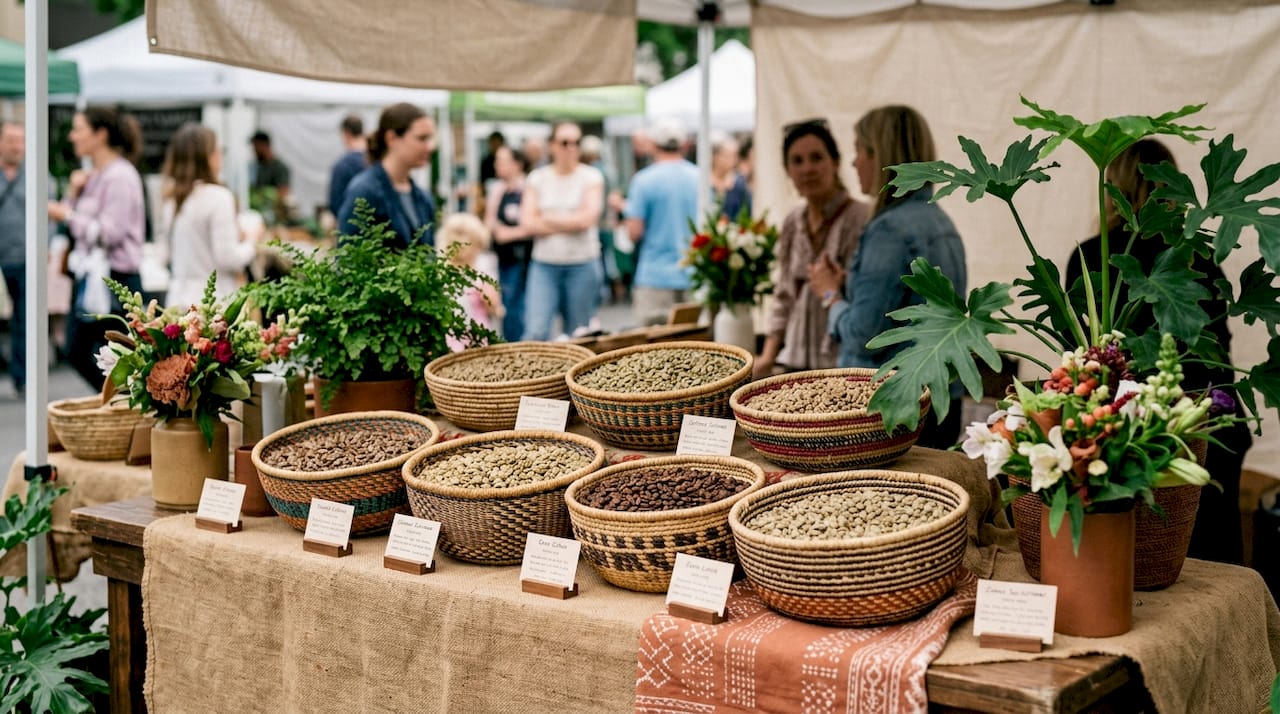
Rare coffee cultivars are unique plant varieties or species prized for their exceptional flavor profiles, limited production, and genetic distinctiveness that set them apart from commercial coffee. In specialty coffee, the term “cultivar” refers to a cultivated variety selected for specific traits, and the rarest of these, including Chiroso from Colombia, Gesha from Ethiopia, and species like Excelsa and Stenophylla, represent the frontier of what coffee can taste like. These rare coffee cultivars examples attract collectors and competition judges alike, with top lots scoring above 85 points on the Specialty Coffee Association scale. Understanding what separates a rare cultivar from a common one starts with genetics, but terroir, altitude, and processing all shape the final cup.
1. Rare coffee cultivars examples: what makes a variety truly rare
A coffee cultivar earns the label “rare” through a combination of limited geographic range, low yield, and flavor complexity that stands apart from commodity varieties like Catuai or Catimor. Rarity is not just about scarcity. It reflects genetic uniqueness, regional specialization, and the difficulty of growing a variety at commercial scale. Heirloom and landrace types, which evolved naturally in specific regions without human breeding intervention, are especially prized because their genetics have never been standardized or diluted. The specialty coffee industry uses competition scoring and certification standards to validate quality beyond rarity alone, giving collectors a reliable signal of genuine value.
2. Chiroso: Colombia’s floral competition star
Chiroso is a Colombian landrace cultivar with a tea-like floral profile, delicate acidity, and layered fruit tones that have made it a consistent competition standout. The name comes from local Colombian slang describing the elongated shape of its cherry. Chiroso scored 90.03 points at the 2020 Colombia Cup of Excellence, placing it among the most celebrated rare Arabica varieties in recent memory. Its presence in competitions dates to 2014, when Doña Carmen Montoya’s Cup of Excellence win first put the Urrao region of Antioquia on the specialty map.
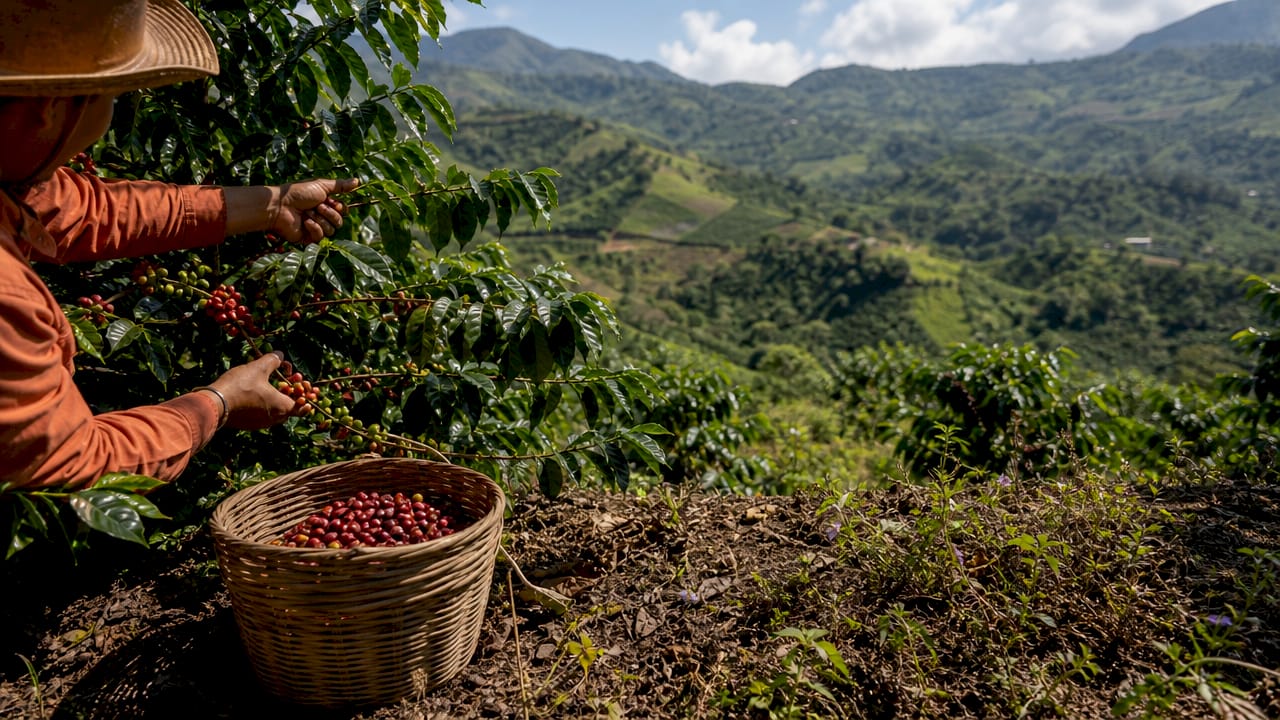
Chiroso grows at high elevations, which slows bean development and concentrates its signature florality and balanced acidity. Its yields are low, which limits supply and keeps prices high. For collectors seeking a Colombian cultivar with genuine competition pedigree, Chiroso is the clearest starting point.
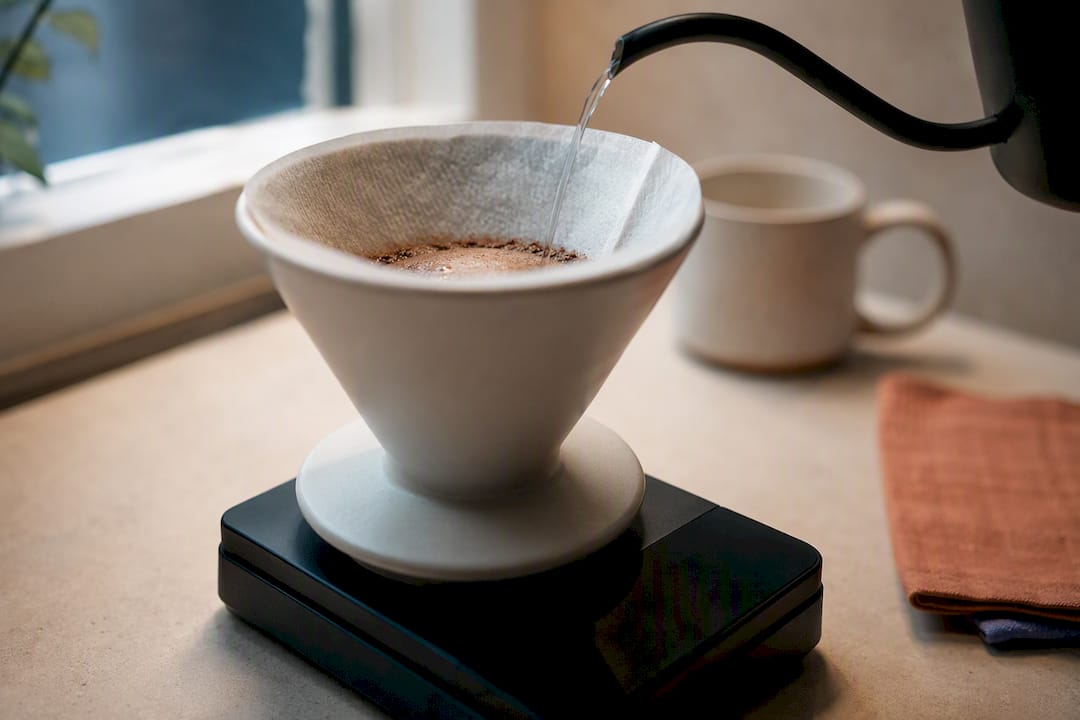
Pro Tip: Brew Chiroso as a pour-over at a lower temperature, around 195°F, to preserve its delicate floral notes without extracting harsh bitterness.
3. Gesha (Geisha): the benchmark for exotic coffee cultivars
Gesha is the cultivar most responsible for shifting the specialty coffee world’s understanding of what Arabica can taste like. Originally from the Gori Gesha forest in Ethiopia, it gained global fame after a 2004 auction in Panama where a Hacienda La Esmeralda lot sold for a then-record price. Its flavor profile centers on bergamot, jasmine, and stone fruit, with a clarity that makes it taste more like a fine tea than a traditional coffee. Competition-winning Gesha lots consistently score above 85 points, often reaching into the low 90s.
Gesha’s rarity comes from its low productivity and sensitivity to growing conditions. Farms that produce exceptional Gesha maintain strict altitude and shade requirements. The cultivar has since spread from Panama to Colombia, Ethiopia, and Costa Rica, but high-quality lots remain limited and expensive.
4. Pink Bourbon and other rare Bourbon variants
Pink Bourbon is a natural mutation of the Bourbon cultivar, producing cherries with a distinctive pink color at full ripeness. It grows primarily in Colombia’s Huila department and delivers a flavor profile marked by sweetness, tropical fruit, and wine-like complexity. Pink Bourbon and similar variants are prized in specialty auctions for their aromatic clarity and sweetness, often scoring above 85 points in cupping sessions.
Other rare Bourbon variants include Yellow Bourbon, found in Brazil and Colombia, and Laurina, a low-caffeine mutation with a sweet, mild profile. Each variant carries the genetic base of Bourbon but expresses differently depending on altitude, soil, and processing. Collectors who focus on Bourbon lineage find a rich spectrum of flavor within a single genetic family.
Pro Tip: Heirloom and landrace types like Pink Bourbon often yield less per tree than commercial varieties. That lower yield is precisely why their flavors are so concentrated and why prices reflect genuine scarcity.
5. Excelsa: the tart, dark-berry outlier
Excelsa is technically a variety of Liberica, reclassified in 2006 as Coffea liberica var. dewevrei, but its flavor profile is so distinct that most specialty buyers treat it as its own category. Where standard Liberica delivers woody, jackfruit-forward notes, Excelsa produces tart, dark-berry flavors with a funkiness that stands apart from both Arabica and Robusta. It is cultivated primarily in Indonesia’s Wonosalam and Jambi regions, with Wonosalam lots recognized in world competitions.
Excelsa trees are large and hardy, tolerating conditions that would stress Arabica plants. Jambi’s peat soils create a unique growing environment that contributes to Excelsa’s distinctive cup character. Lots from Wonosalam are graded by SNI standards and produced mainly by smallholder farms, giving each lot a traceable, artisan character.
6. Liberica: the woody giant of uncommon coffee varieties
Liberica is one of the most visually distinct coffee species. Its trees grow taller than Arabica, and its beans are larger and asymmetrical. The flavor profile leans toward woody, smoky, and floral notes with a jackfruit-like sweetness that divides opinion sharply. Liberica holds a niche but loyal following in the Philippines, where it is known as Barako and consumed as a cultural staple. Outside Southeast Asia, it remains one of the most uncommon coffee varieties in specialty markets.
Its rarity in Western specialty coffee is partly logistical. Liberica’s large tree size makes it harder to harvest efficiently, and its flavor profile requires a specific audience. Collectors who seek it out often describe it as a coffee that rewards patience and an open palate.
7. Racemosa: low caffeine, high resilience
Racemosa (Coffea racemosa) is native to the Mozambique coast and represents one of the most scientifically interesting species in the coffee genus. It contains very low levels of caffeine, tolerates heat and drought conditions that would damage Arabica, and produces a light, delicate cup with floral and citrus characteristics. Racemosa’s climate resilience has attracted renewed attention from researchers and specialty producers looking for alternatives as Arabica faces increasing environmental pressure.
Commercial production of Racemosa is extremely limited. Most available lots come from small experimental farms or research programs. For collectors, that scarcity makes it one of the most genuinely rare coffee types available anywhere.
8. Stenophylla: West Africa’s Arabica alternative
Stenophylla (Coffea stenophylla) grows natively in West Africa, including Sierra Leone and Guinea, and produces a cup that researchers describe as comparable in quality to Arabica. Its flavor profile includes stone fruit, floral notes, and a smooth body that surprised specialty tasters who expected a rougher, more Robusta-like experience. Stenophylla combines Arabica-like flavor with heat tolerance, making it one of the most discussed species for long-term coffee sustainability.
Commercial availability is nearly nonexistent. Most Stenophylla lots reaching specialty buyers come through direct research partnerships with West African farming communities. That combination of flavor quality and climate adaptability makes it the most watched exotic coffee cultivar in the scientific community right now.
9. How genetics, processing, and terroir shape rare cultivar flavor
A cultivar’s name alone does not determine cup quality. Genetics interact with altitude, processing, and farm practices to produce exceptional flavor, which means the same cultivar grown at different elevations or processed differently can taste completely distinct. This is why collectors focus on specific farms and lots rather than just variety names.
Post-harvest processing plays a major role in unlocking a rare cultivar’s aromatic potential. Processing methods like washed or natural affect complexity and clarity in measurable ways. A naturally processed Gesha will taste fruitier and winier than a washed lot from the same farm. Understanding why fruity notes develop helps collectors make smarter sourcing decisions.
- Washed processing preserves a cultivar’s inherent floral and citrus clarity.
- Natural processing amplifies fruit-forward and winey characteristics.
- Altitude slows bean development, concentrating sugars and acids for more complex flavor.
- Soil composition affects mineral uptake, which influences body and aftertaste.
Pro Tip: When sourcing rare cultivars, ask for the processing method alongside the variety name. Two lots of the same cultivar processed differently can taste like entirely different coffees.
10. Key growing regions for rare coffee cultivars
Geography defines where rare cultivars thrive. Colombia’s Huila and Antioquia departments produce Chiroso and Pink Bourbon at high elevations above 1,700 meters. Indonesia’s Wonosalam and Jambi regions are the primary sources of Excelsa. West Africa, particularly Sierra Leone and Guinea, holds the native range of Stenophylla, while Mozambique’s coastal zones are home to Racemosa.
Altitude, climate, and terroir contribute directly to how a cultivar expresses its genetic potential. A Chiroso grown at 2,000 meters in Antioquia will develop more floral complexity than the same variety at lower elevations. Collectors who understand regional context can evaluate sourcing claims more critically and identify genuinely exceptional lots.
- Colombia (Huila, Antioquia): Chiroso, Pink Bourbon, Gesha
- Indonesia (Wonosalam, Jambi): Excelsa
- Ethiopia: Gesha origin, numerous wild heirloom types
- West Africa (Sierra Leone, Guinea): Stenophylla
- Mozambique coast: Racemosa
Direct trade relationships with farms in these regions give buyers the clearest access to authentic rare lots. Buying specialty coffee from traceable sources is the most reliable way to verify cultivar claims and avoid mislabeled lots.
Key takeaways
Rare coffee cultivars deliver exceptional flavor because of the interaction between unique genetics, specific growing conditions, and skilled post-harvest processing, not rarity alone.
| Point | Details |
|---|---|
| Rarity requires more than scarcity | Genuine rare cultivars combine unique genetics, low yield, and flavor complexity that commercial varieties cannot replicate. |
| Competition scores validate quality | Cultivars like Chiroso and Gesha score above 85 points, giving collectors a reliable quality benchmark beyond marketing claims. |
| Processing shapes the final cup | The same rare cultivar processed differently, washed versus natural, can taste completely distinct in the cup. |
| Region determines expression | Altitude, soil, and climate in Colombia, Indonesia, and West Africa directly shape how each rare cultivar’s flavor develops. |
| Species beyond Arabica matter | Excelsa, Racemosa, and Stenophylla offer genuinely different flavor experiences and represent the future of coffee diversity. |
Why rare cultivars are worth more than the hype
The collector market for rare coffee has grown fast, and with that growth comes a real risk: rarity becoming a marketing label rather than a meaningful quality signal. I’ve tasted plenty of “rare” coffees that were simply obscure, not exceptional. The cultivars that genuinely earn attention, Chiroso, Gesha, Stenophylla, share something beyond scarcity. They offer a flavor experience that changes how you think about what coffee can be.
What I find most compelling right now is the intersection of rarity and resilience. Racemosa and Stenophylla are not just curiosities. They represent genetic diversity that the coffee industry will need as climate pressure on Arabica intensifies. Collecting these coffees is not just a tasting exercise. It is a form of participation in a larger conversation about the future of the crop.
My honest advice: resist the urge to chase rarity for its own sake. Pair your interest in uncommon varieties with a commitment to understanding processing, origin, and ethical sourcing. A well-processed Chiroso from a traceable Colombian farm will always outperform a poorly handled Gesha from an unknown source. Quality and rarity are not the same thing, and the best collectors know the difference.
— Sean
Moustachecoffeeclub and rare single-origin selections
Moustachecoffeeclub sources single-origin specialty coffees from regions where rare and exceptional cultivars thrive, including Ethiopia and Colombia, and roasts them in the ultra-light Nordic style to preserve every layer of flavor the cultivar and terroir produce.

Each subscription delivers freshly roasted beans from traceable farms, with origin reports that explain the cultivar, processing method, and growing region behind every lot. For collectors who want to taste the difference that genetics and terroir actually make, the coffee subscription is the most direct path to rotating through genuinely distinctive single-origin coffees. The coffee education hub adds context to every cup, from brewing guides to full origin breakdowns.
FAQ
What are the best rare coffee cultivars examples for beginners?
Chiroso and Gesha are the clearest entry points. Both score consistently above 85 points in competitions and offer flavor profiles, floral, fruit-forward, and tea-like, that are immediately distinct from commercial coffees.
What is the difference between a coffee cultivar and a coffee species?
A species is a broader biological category, such as Arabica or Liberica, while a cultivar is a specific variety within a species selected for distinct traits. Chiroso is a cultivar of Arabica; Excelsa is a variety of Liberica.
Why do rare coffee cultivars cost more?
Rare cultivars typically produce lower yields per tree, grow in limited geographic regions, and require careful harvesting and processing. That combination of scarcity and labor intensity drives prices well above commodity coffee levels.
How does processing affect rare coffee cultivar flavor?
Processing methods like washed and natural processing directly shape the aromatic expression of a cultivar. Washed lots tend toward clarity and florality, while natural processing amplifies fruit and winey complexity in the same beans.
Are Excelsa and Liberica the same coffee?
Excelsa was reclassified in 2006 as a variety of Liberica, but its flavor profile is distinct. Standard Liberica delivers woody, jackfruit notes, while Excelsa produces tart, dark-berry flavors that place it closer to specialty Arabica in sensory terms.
Recommended
- Colombian Coffee Varieties List: 2026 Definitive Guide | Blog | The Moustache Coffee Club
- Coffee Education Hub | Ultra-Light Nordic-Style Brewing Guides & Origins | Moustache Coffee Club
- Why Colombian coffee is widely loved: a complete guide | Blog | The Moustache Coffee Club
- Specialty Coffee Certifications Types: A Professional Guide | Blog | The Moustache Coffee Club