Why Specialty Coffee Uses Minimal Additives
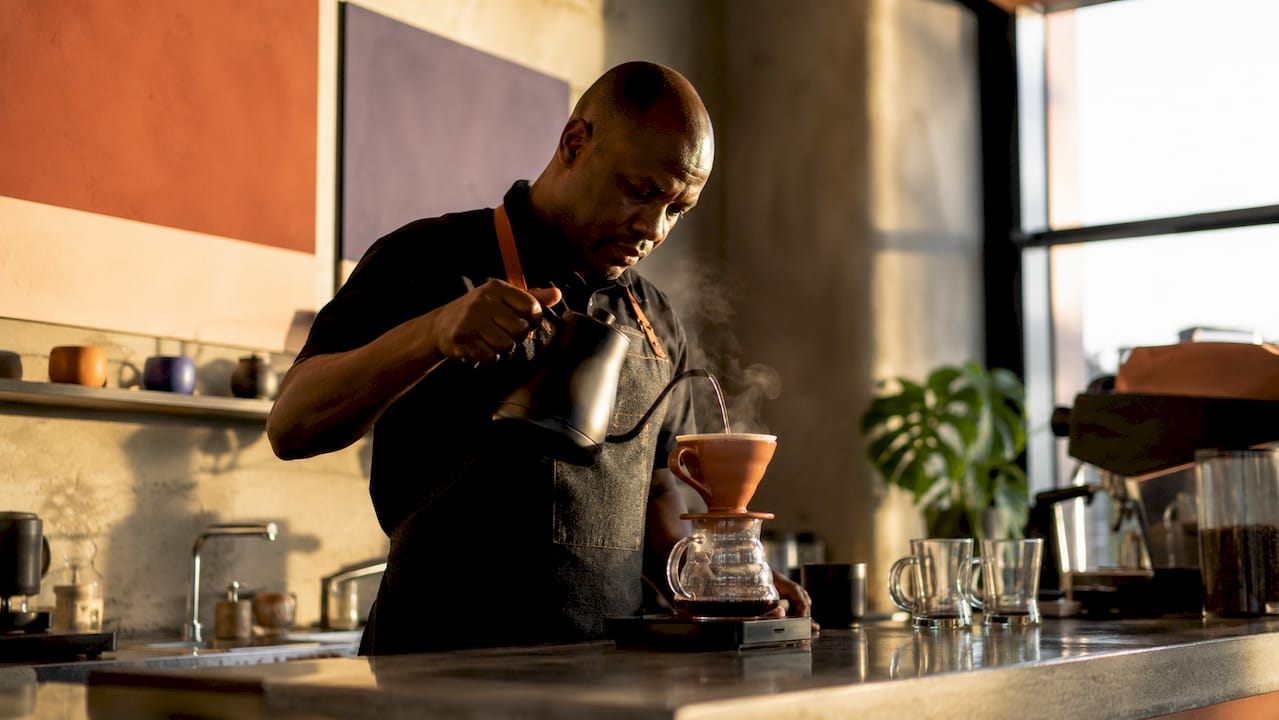
Specialty coffee is defined by its refusal to mask what the bean already does naturally. The reason why specialty coffee uses minimal additives comes down to one principle: exceptional beans, processed and roasted with precision, produce complex flavors that no syrup or creamer can improve. This philosophy also delivers real health advantages. Black coffee contains no sugar or saturated fat, and skipping cream and sugar preserves the antioxidant benefits that make specialty coffee worth drinking in the first place. Understanding this connection between processing, roasting, and additive-free drinking changes how you experience every cup.
Why specialty coffee uses minimal additives: processing and roasting
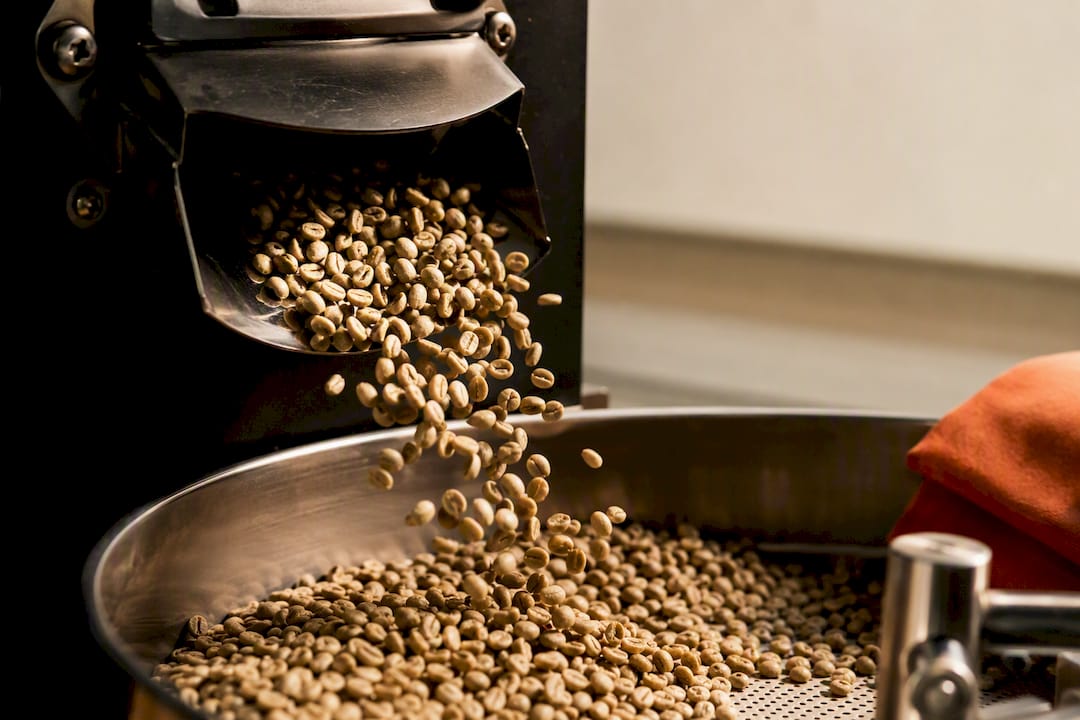
The industry term for this approach is “additive-minimal brewing,” and it starts long before the cup. Specialty coffee processing methods like washed, natural, honey, and anaerobic fermentation each shape a distinct flavor profile directly inside the cherry. No external flavoring can replicate what happens when a natural-processed bean dries whole for 2–6 weeks, allowing microbial fermentation to build fruit-forward sweetness from the inside out. Anaerobic methods go further, using oxygen-restricted fermentation to create nuanced, wine-like complexity that defines the bean’s identity before it ever reaches a roaster.
Roast profile is the second layer of this story. Light-to-medium roasts preserve a wide range of volatile aroma compounds, including thiols, furanones, pyrazines, and aldehydes, that give each origin its unique character. Darker roasting burns these compounds off. That is why commercial roasters push beans dark: it erases origin defects and creates a uniform, bitter baseline that needs cream and sugar to become palatable. Specialty roasters do the opposite. They stop the roast early enough to let the bean’s intrinsic identity speak.
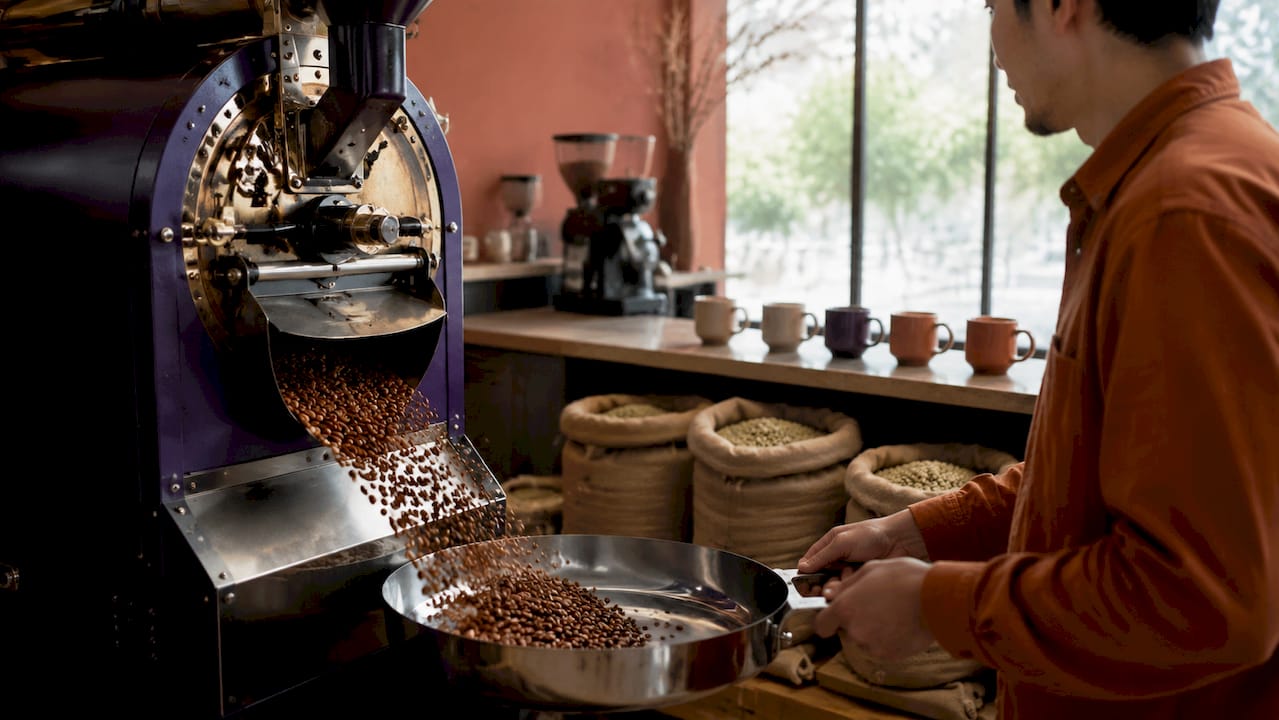
Understanding how a coffee cherry becomes a roasted bean makes this even clearer. Every step from cherry selection to fermentation to drying adds or preserves flavor compounds. When those steps are executed well, the finished bean carries enough complexity that additives would only get in the way.
Pro Tip: If you brew a washed Ethiopian coffee and find it tastes flat, try a slightly coarser grind and water temperature around 200°F. Washed coffees are delicate. Overextraction mutes the floral notes that make additives unnecessary.
What natural compounds make specialty coffee flavorful and healthy?
The flavor and health case for additive-free specialty coffee rests on its bioactive chemistry. Chlorogenic acids and polyphenols are the primary phenolic antioxidants in brewed coffee, present at concentrations of approximately 70–350 mg per 100 mL depending on the brewing method. That range matters. It means your brewing choices directly determine how much antioxidant activity ends up in your cup.
These compounds do more than taste good. Chlorogenic acid has been linked to reduced inflammation and improved blood sugar control when consumed in moderation. Adding sugar and cream does not eliminate these benefits outright, but it introduces saturated fat and blood sugar spikes that work against them. The health case for minimal additives is not about purity for its own sake. It is about not undermining the chemistry that makes specialty coffee worth drinking.
The table below shows how processing method and brewing approach affect antioxidant availability.
| Processing Method | Brewing Method | Relative Antioxidant Level | Flavor Notes |
|---|---|---|---|
| Washed | Pour-over | High | Bright, clean, floral |
| Natural | French press | Moderate to high | Fruity, full-bodied |
| Honey | AeroPress | Moderate | Sweet, balanced |
| Anaerobic | Espresso | Variable | Complex, wine-like |
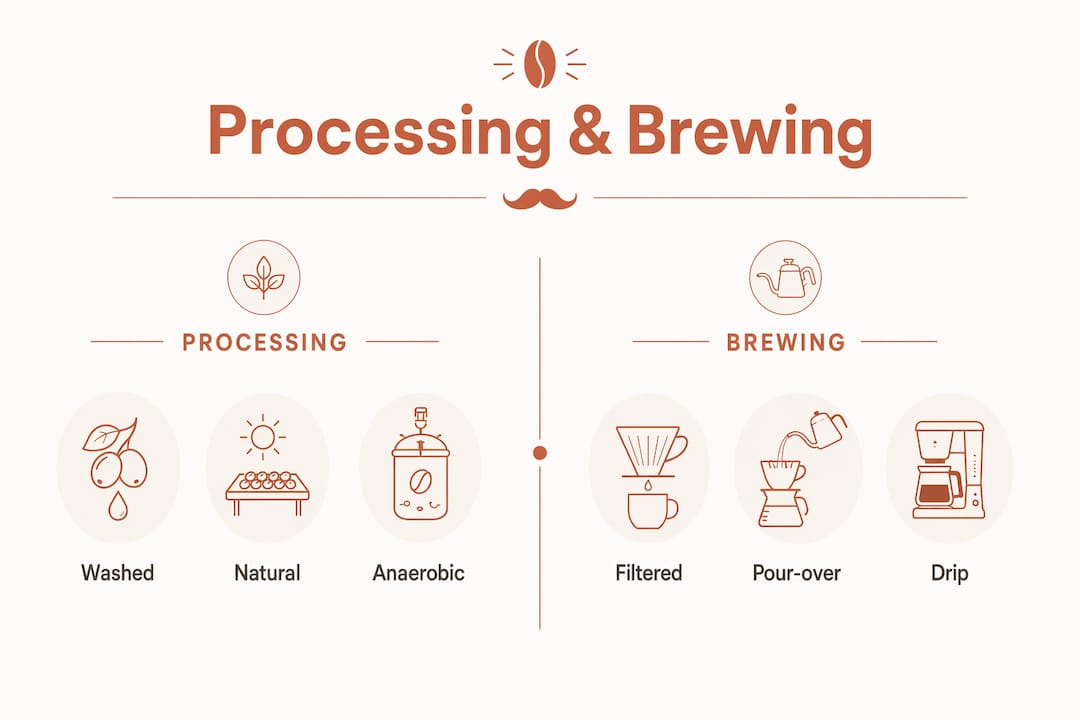
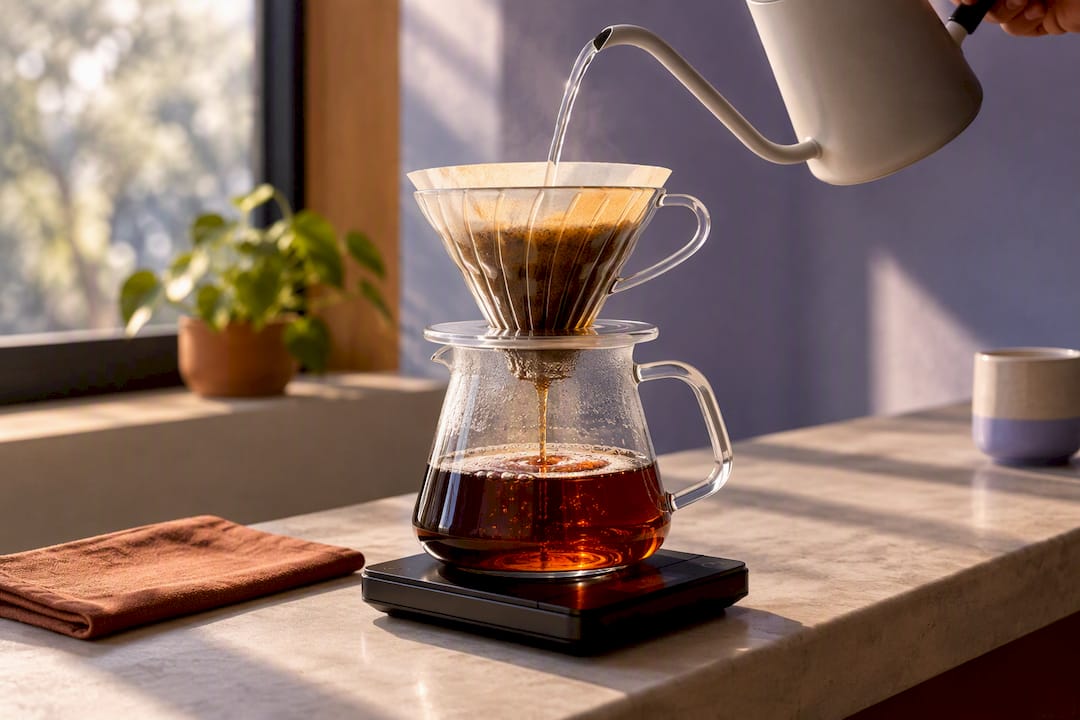
Filtered brewing also reduces diterpenes, compounds linked to cholesterol elevation, making pour-over and drip methods a smarter choice for health-focused drinkers. The filter catches what you do not want while letting the chlorogenic acids through. That is a meaningful difference, and it requires no additives to achieve.
Specialty coffee vs. commercial blends: what are you actually drinking?
The contrast between specialty and commercial coffee explains everything about why additives appear in one and not the other. Specialty coffee meets strict quality standards, requiring careful harvesting of only ripe cherries, minimal defects, and traceable sourcing. Commercial blends operate under no such constraints. They accept a wider defect threshold, blend origins to hit a price point, and rely on dark roasting to create consistency across inconsistent raw material.
Dark roasting is the key mechanism here. It destroys origin character and replaces it with a generalized roast flavor: bitter, smoky, and flat. That profile is not enjoyable on its own, which is why the commercial coffee industry built an entire ecosystem of creamers, flavored syrups, and sweeteners around it. The additives are not a choice. They are a correction.
The comparison below makes the difference concrete.
| Category | Specialty Coffee | Commercial Coffee |
|---|---|---|
| Bean quality | Strict defect limits, single origin | Blended, higher defect tolerance |
| Roast level | Light to medium | Medium to dark |
| Flavor source | Intrinsic origin character | Roast flavor, additives |
| Typical additives | None or minimal | Creamers, syrups, sugar |
| Health impact | High antioxidant retention | Reduced by additives and dark roast |
The health implications of typical commercial additives are worth naming directly. Flavored creamers often contain hydrogenated oils and added sugars. Flavored syrups add 20–40 calories per pump with no nutritional value. These additions are not neutral. They shift a potentially health-positive drink into a vehicle for excess calories and processed ingredients. Specialty coffee, by contrast, delivers its value through the bean itself.
How to enjoy specialty coffee with minimal additives at home
Brewing specialty coffee without additives is not about deprivation. It is about getting the conditions right so the coffee does the work. Follow these steps to get the most from your beans.
- Match your grind to the processing method. Natural and honey-processed coffees tolerate a slightly coarser grind. Washed coffees benefit from a finer, more precise grind to extract their delicate acidity fully.
- Use water between 195°F and 205°F. Water that is too cool underextracts and produces a thin, sour cup. Too hot and you push bitterness forward. The sweet spot lets origin flavors develop without interference.
- Buy fresh and store correctly. The 15-15-15 freshness rule is the standard: green coffee lasts roughly 15 months, roasted beans about 15 days, and ground coffee about 15 minutes before staling begins. Fresh coffee needs no additives to taste good. Stale coffee cannot be saved by them.
- Try natural coffee additive alternatives sparingly. If you want to customize your cup, cinnamon, cardamom, and vanilla extract add subtle sweetness and their own antioxidants without overwhelming the bean’s natural profile. These work as accents, not corrections.
- Learn to dial in your brew. Moustachecoffeeclub’s guide on dialing in light roast coffee walks through grind adjustments and brew ratios that make additive-free drinking genuinely enjoyable, not just virtuous.
Pro Tip: If you reach for sugar or cream automatically, pause and taste the coffee black first. If the bitterness is sharp and unpleasant, the issue is likely extraction or freshness, not the bean. Fix the brew before adding anything.
Key takeaways
Specialty coffee uses minimal additives because precise processing and roasting build flavor complexity directly into the bean, making external flavorings unnecessary and counterproductive.
| Point | Details |
|---|---|
| Processing builds flavor | Washed, natural, honey, and anaerobic methods create distinct profiles without any added flavoring. |
| Light roasts preserve compounds | Light-to-medium roasts retain volatile aroma compounds and antioxidants that dark roasts destroy. |
| Bioactive chemistry matters | Chlorogenic acids at 70–350 mg per 100 mL deliver antioxidant and anti-inflammatory benefits that additives undermine. |
| Commercial coffee needs correction | Dark roasting erases origin character, making creamers and syrups a structural requirement in commercial blends. |
| Freshness replaces additives | Coffee brewed within 15 days of roasting tastes complex and satisfying without any enhancement. |
What i’ve learned from drinking coffee without additives
I spent years adding oat milk and a half-spoon of sugar to every cup. I told myself it was preference. What it actually was: I had never tasted a coffee that did not need help.
The first time I brewed a natural-processed Ethiopian Yirgacheffe from a roast-to-order subscription, I drank it black out of curiosity. It tasted like blueberries and dark chocolate without a single gram of sugar. That experience did not just change my morning routine. It changed how I understood the entire category.
What I have found since then is that most people who say they do not like black coffee have only ever had commercial coffee. The bitterness they are avoiding is not coffee. It is the result of dark roasting low-quality beans. Specialty coffee processed well and roasted light does not produce that bitterness. The flavor is already there.
The health angle reinforced the habit. Knowing that avoiding cream and sugar preserves the antioxidant activity that supports heart health and blood sugar regulation made the choice feel less like discipline and more like logic. You are not giving something up. You are stopping yourself from covering up something genuinely good.
My recommendation: start with a washed single-origin from Colombia or a natural from Ethiopia. Brew it as a pour-over at 200°F. Taste it before you add anything. Give it three mornings. The odds are good you will not go back.
— Sean
Try specialty coffee that needs nothing added
If you want to experience what additive-free coffee actually tastes like, the starting point is beans that were roasted for your order, not sitting in a warehouse for months.
Moustachecoffeeclub sources single-origin beans from Ethiopia, Colombia, and other high-altitude growing regions, then roasts them to order in the ultra-light, Nordic-inspired tradition that preserves every volatile aroma compound the processing built in. You can read about roast-to-order advantages before you commit. When you are ready, the specialty coffee subscription delivers freshly roasted beans on your schedule, with origin reports and brewing guides included so you know exactly what you are tasting and why.
FAQ
Why does specialty coffee not need flavor additives?
Specialty coffee uses processing methods like natural and anaerobic fermentation that build fruit, floral, and chocolate notes directly into the bean. When roasted light, these compounds survive intact and produce a complex cup without any external flavoring.
What are the health benefits of drinking coffee without additives?
Black coffee delivers chlorogenic acids and polyphenols linked to reduced inflammation and better blood sugar control. Adding cream and sugar introduces saturated fat and excess calories that offset those benefits.
How does roast level affect the need for additives?
Light-to-medium roasts preserve the volatile aroma compounds that create flavor complexity. Dark roasts destroy those compounds and produce a bitter, flat profile that typically requires cream or sugar to be palatable.
What natural alternatives work with specialty coffee?
Cinnamon, cardamom, and vanilla extract are the best coffee additive alternatives because they add subtle flavor and their own antioxidants without masking the bean’s origin character. Use them sparingly as accents, not as corrections.
How fresh does coffee need to be to taste good without additives?
The 15-15-15 rule sets the standard: roasted beans taste best within 15 days of roasting. After that, staling dulls the flavors that make additive-free drinking satisfying. Buying roast-to-order coffee is the most reliable way to stay inside that window.
Recommended
- How to buy specialty coffee: expert tips for flavor and quality | Blog | The Moustache Coffee Club
- Specialty Coffee Certifications Types: A Professional Guide | Blog | The Moustache Coffee Club
- Best Coffee Subscription | Ultra-Light Nordic-Style Single Origin Coffee | Moustache Coffee Club
- Last-Minute Specialty Coffee Gift Guide for 2026 | Blog | The Moustache Coffee Club